There’s a reason canaries once rode down into the coal mines. A bird’s body reacts to airborne toxins long before a person feels a thing, and the invisible fumes off an overheated nonstick pan can kill a pet bird in the next room within minutes. If an ordinary kitchen can do that to a small living thing in one afternoon, it’s fair to wonder what a lifetime of quiet exposures is doing to you. Many of these hormone disrupting chemicals hide in the products sold to you as clean, fresh, and healthy. If you have been doing everything right and still feel stuck, this is very likely not your fault, and it’s not all in your head.
Ask Dr. Gala: Your Wellness Wisdom Starts Here
Is there a short list of swaps that actually makes a real difference?
Yes, and three of them carry most of the benefit. Filter the water you drink and cook with. Keep hot drinks out of plastic, because heat is what drives the migration. Never heat food in plastic, and that includes the container lunch gets reheated in. Those three cut your daily contact with hormone disrupting chemicals further than any clean label will, because a label describes what was left out rather than what leached in. Do those first. Cookware and produce matter too, and they come second.
Why Do Hormone Disrupting Chemicals Hide Behind Clean Labels?
Your body carries a finite capacity to detox and repair. Think of it as a bucket. Every chemical you take in from your food, your water, the air at home, and the products you rub into your skin adds a little more to what it already holds. Layer chronic stress on top, which describes almost every woman in midlife, and that bucket sits close to the rim before you have touched a single item on this list.
The aim here is modest. Pull out the avoidable items you can control, and your body gets the room it needs to do its own work.
The pattern is easy to miss: the canned food was organic. The soap promised to protect your family. The candle was labeled fresh. The very language used to sell these products is the thing that quiets your suspicion. Many of these hormone disrupting chemicals behave like synthetic estrogen once they’re inside you, which is the last signal a fluctuating midlife system needs. Over the years, that steady drip drives the kind of cellular wear that ages the ovaries and can push a woman toward menopause earlier than her biology intended.
This isn’t guesswork. In 2023, researchers at the University of Kentucky, publishing in the journal Biology of Reproduction, tested a mixture of phthalates, the same class of chemicals hiding behind the word “fragrance” on your candles and lotions, directly on human granulosa cells: the cells inside your ovaries responsible for releasing an egg and keeping hormone production on schedule. The chemicals jammed that signal. These were real cells, donated by women undergoing fertility treatment, not a rodent stand-in. If phthalates can interrupt that process in a lab, it’s worth asking what years of exposure through your soap, your candle, and your takeout container are doing to that same signal in you.
How Do Endocrine Disruptors Slip Into What You Eat and Drink?

Most of the endocrine disruptors on this list reach you through the plainest daily habits, and the ones you eat and drink are the easiest to shut down first. Two forces pull chemicals out of plastic and into whatever it touches: heat and acid. Once that clicks, half of this list explains itself.
Your morning coffee is both hot and slightly acidic. Sip it through a plastic to-go lid or a plastic-lined paper cup, and compounds like BPA and phthalates get ideal conditions to migrate straight into the drink. The fix costs almost nothing. Carry a glass or stainless mug, or pull the lid off and let the coffee cool for a minute first.
That same principle explains the cabinet full of mismatched plastic containers. Heat and time work the chemicals loose, and reheating leftovers right in the tub makes it far worse. Hold this as the one rule above all others: never heat food in plastic. Move the containers you actually reheat over to glass or porcelain, and let the old plastic retire to holding hardware and odds and ends.
Then there’s the trap that punishes the women trying hardest to eat well. You buy the organic beans and the organic tomatoes, doing everything right, and yet the lining inside most cans is where BPA and its chemical cousins live. Acidic foods like tomatoes pull them loose fastest. Organic on the front of a can does nothing about the lining inside it, so reach for beans and tomatoes in glass jars or cartons, or cook dried beans from scratch, which costs less anyway.
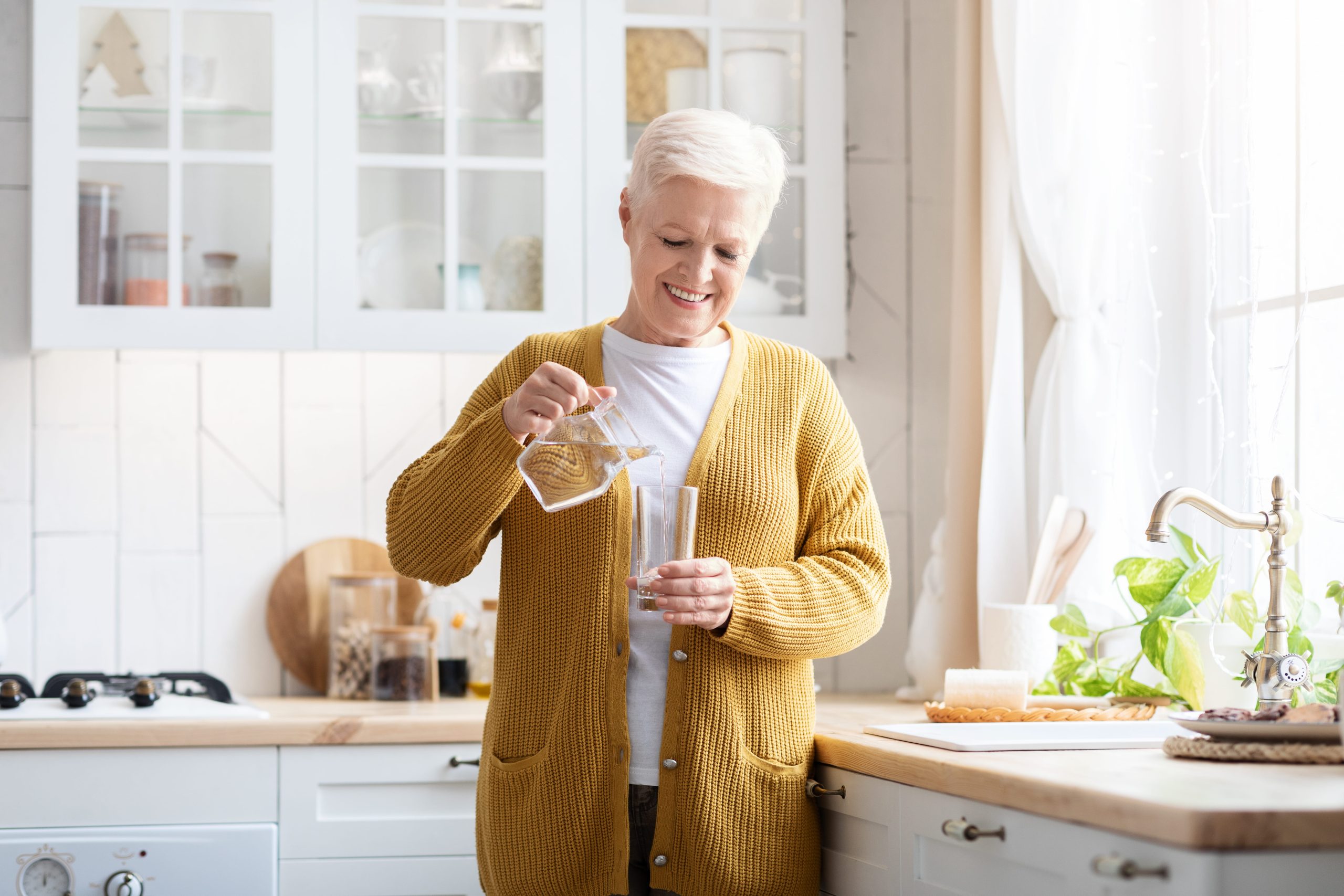
One swap outranks the rest: the water you drink and cook with every single day. Depending on where you live, tap water can carry a mix of contaminants, from the so-called forever chemicals to lead leaching out of aging pipes. A certified filter matched to the contaminants common in your area is one of the highest-return changes you can make.
What Toxic Household Products Do You Wear and Breathe?
Not everything that fills the bucket goes into your mouth. Some of the most stubborn toxic household products get absorbed through your skin or pulled straight into your lungs, all day, every day.
Antibacterial soap is the tidy example. It feels clean, which is exactly why it earns a place on this list. For years its active ingredient was triclosan, an endocrine disruptor, and study after study showed it worked no better than plain soap and water. Regulators pulled triclosan and its lookalikes from over-the-counter antibacterial soaps back in 2016. Plain soap and a full twenty seconds of scrubbing is what actually protects you. The word antibacterial on a label is marketing language, nothing more.
Then come the scented ones: the plug-in freshener, the fresh-linen candle, the scented lotion, the spring-meadow detergent. There is a legal loophole worth getting angry about: the single word fragrance on a label can legally stand in for dozens, sometimes hundreds, of undisclosed ingredients, and the most common among them are phthalates. Those phthalates are endocrine disruptors that mimic and jam your hormone signaling, and you’re wearing them on your skin from morning to night. Open a window for real fresh air. Choose products marked fragrance-free, or scented only with essential oils. You don’t have to redo the whole bathroom at once, so begin with the two or three you reach for most.
As you subtract all of this, add one living thing back. A couple of real houseplants in the rooms where you spend the most time work in the background, cleaning the air a little while you sleep. No single peace lily is a miracle purifier, and yet as a low-cost, active step it more than earns its spot on the windowsill.
Which Cookware and Produce Traps Are Worth Catching?
Two more hide in plain sight in the kitchen, and both come down to context more than the item itself.
That gorgeous enameled Dutch oven, the kind that gets handed down or splurged on, is a joy right up until the enamel chips. Once the glossy coating cracks, the raw metal underneath is exposed, and tiny flakes can end up in your food during long, acidic braises. A flawless pan is perfectly safe. A chipped one belongs in the garage holding potting soil, while you cook in plain stainless steel or well-seasoned cast iron, both of which last for decades with nothing to shed.
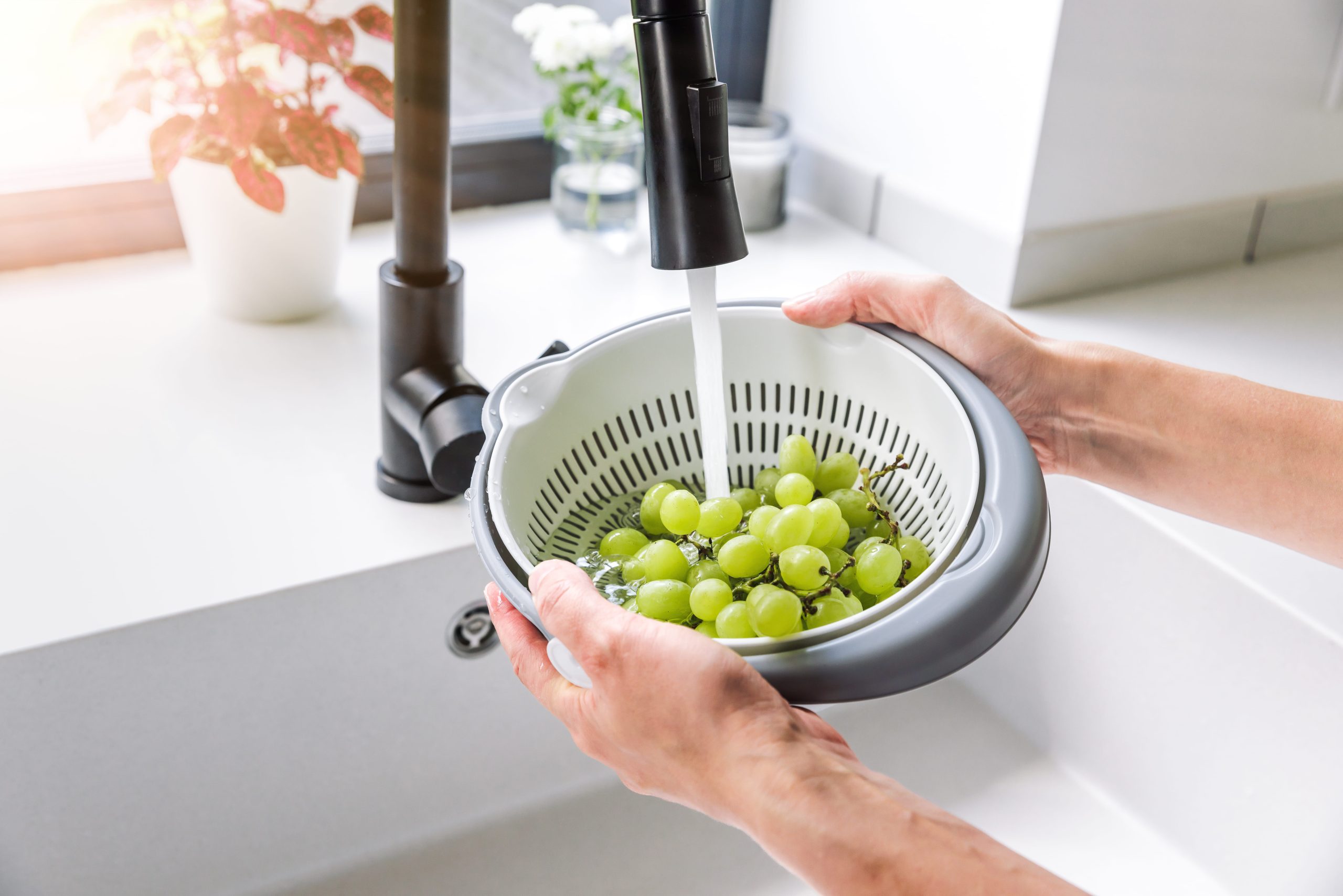
Conventional produce calls for a gentler touch because eating more fruits and vegetables is one of the best things you can possibly do, and no one should eat less of them out of fear. Still, conventional produce can carry pesticide residues, and many of those pesticides act as endocrine disruptors. The budget-friendly middle path is to buy organic for the thin-skinned items you eat by the handful, the berries, the leafy greens, the apples, and to wash everything else well under running water. More produce, washed well, with organic where it matters most, beats a smaller and more anxious plate every time.
How Can You Lower Your Toxic Load Without Burning Out?
The single biggest trap in all of this is the clean and healthy label itself. The canned food was organic, the soap promised protection, the candle smelled fresh, and each promise did the same quiet work of lowering your guard. The real skill is a plain habit: read the actual ingredient list, and stay a little suspicious of any product whose main selling point is how pure it claims to be.
Please don’t try to remove all eight of these this week. That’s exactly how people burn out and quit. Pick the one that feels easiest, the coffee lid or the plain soap, and start there. The hormone disrupting chemicals in your day didn’t accumulate overnight, and they don’t have to leave overnight either.
The toxic household products worth removing first are simply the ones your hands and lungs meet most often. Swap those, then let the next change come when it’s ready. Lowering your toxic load is a steady run of small, permanent decisions, and each one hands your body a little more of the capacity it has been waiting to use. That’s what becoming your own primary care person looks like at home, and it asks for no chemistry degree at all.
“If you came into my office, I’d ask you a lot of questions that would help us connect the dots … so that together we can deal with your toxic stress.
Every situation is unique and you need a plan that works for you. Not a one-size-fits-all solution.
If you’re thinking you can’t come into my office, don’t worry. I’ve created a program with all of my initial recommendations to help you unravel the mystery. You can use it at home and at your convenience.
So if you’re thinking that managing chronic stress just isn’t possible … or even the answer … for you, I want to show you what you may be missing.
And how you can identify the toxic stressors that are creating your symptoms with my Human Energy System Reboot. You can get started HERE.” – Dr. Gala