
A woman stood in her kitchen staring at the fridge on a Sunday afternoon. She used to love cooking. Now she felt nervous just opening the door. At 49, she’d tried every “gut healing” plan and menopause diet trend she could find on social media. Her pantry was full of “approved” healthy food, but meals no longer felt joyful or straightforward. Instead, every bite felt like a test she could fail.
Last week, she skipped dinner with friends because the restaurant menu didn’t match her strict food rules. That same night, she lay awake at 3 a.m., wondering, “Am I actually getting healthier, or am I stuck in something else?” What she was feeling, and what you might be feeling, is not just clean eating. It could be Orthorexia nervosa, an eating disorder driven by a “healthy eating” obsession that needs real attention, support, and a clear path to orthorexia recovery.
Ask Dr. Gala: Your Wellness Wisdom Starts Here
Is it possible to fully recover from orthorexia?
Yes, and most people do once they get real support. The pattern starts as a health project. You cut one food group, then another, and the rules multiply until eating outside them produces genuine guilt. Somewhere in there, purity replaced wellbeing as the goal. What makes orthorexia recovery work is a team rather than more willpower, usually a therapist, a dietitian and someone who understands eating disorders. It takes time, and it comes with setbacks built into it. An ordinary, unbothered relationship with food is the destination, and it is reachable at any age.
What Is Orthorexia Nervosa, Really?
The term “Orthorexia nervosa” was first introduced in 1997 by American physician Steven Bratman to describe an unhealthy fixation with what the individual considers to be healthy eating. The name originates from the Greek roots “orthos,” meaning “right” or “correct,” and “orexis,” meaning “appetite,” literally, “correct appetite.” However, in practice, it refers to an obsessive focus on consuming the “correct diet.”
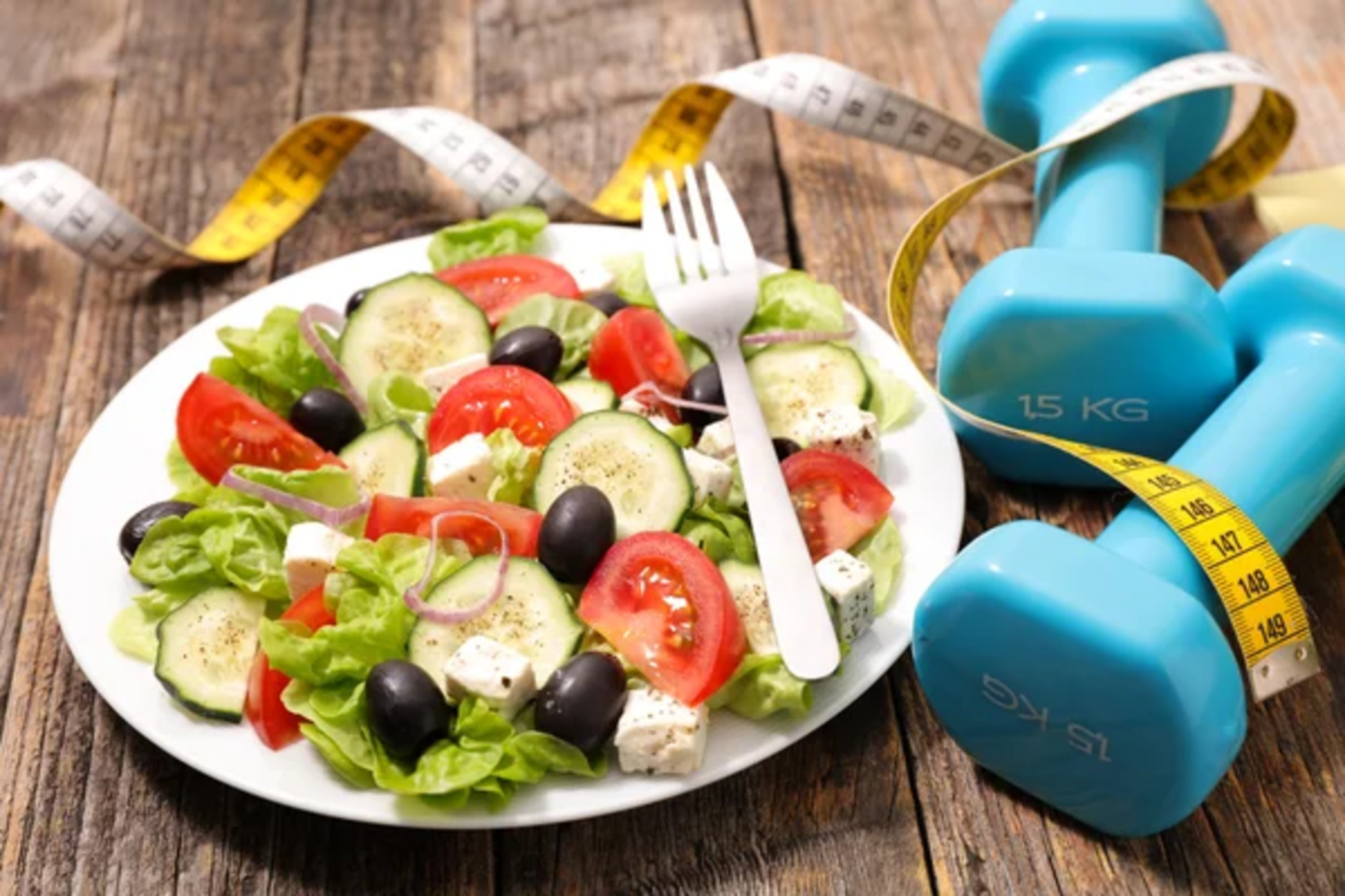
Orthorexia nervosa is often described as a healthy eating obsession that goes too far. It isn’t just about wanting to eat more vegetables or less processed food. It’s when the desire to eat “right” turns into disordered eating that affects your mood, your health, and your life.
People dealing with Orthorexia nervosa often:
- Focus more on food purity and avoiding food contamination than on overall well-being.
- Cut out more and more food groups in the name of “clean” eating.
- Feel intense anxiety or guilt if they eat something outside their self-imposed rules.
Even though Orthorexia Nervosa does not yet have official diagnostic criteria in the main mental health manuals, researchers and clinicians now recognize it as a serious, emerging eating disorder pattern that deserves the same kind of care, compassion, and eating disorder recovery support as conditions like Anorexia Nervosa.
What Are the Five Warning Signs of Orthorexia?
Many women ask, “What are the five warning signs of orthorexia?” because the line between careful, healthy eating and disordered eating can be easy to miss. Diet culture and pro-eating disorder social media messaging have made it harder to recognize when health-conscious behavior crosses into harmful territory. Here are five key signs that your “health project” may need attention.
1. Food Rules Take Over Your Day
You spend a lot of time thinking about what you will eat, how it’s prepared, and whether it aligns with your dietary rules. You may:
- Obsess over ingredient lists and labels.
- Worry constantly about “toxins,” “impurities,” or “bad” foods.
- Feel uneasy if you can’t control every detail of a meal.
This level of mental load is one of the most apparent orthorexia symptoms. Food is no longer just fuel or enjoyment, it becomes a full-time job. These self-imposed rules create an inner conflict that drains your energy and joy.
2. More and More Food Groups Get Cut Out
At first, removing a few foods can feel like a smart step. But over time, the list of “unsafe” foods grows longer:
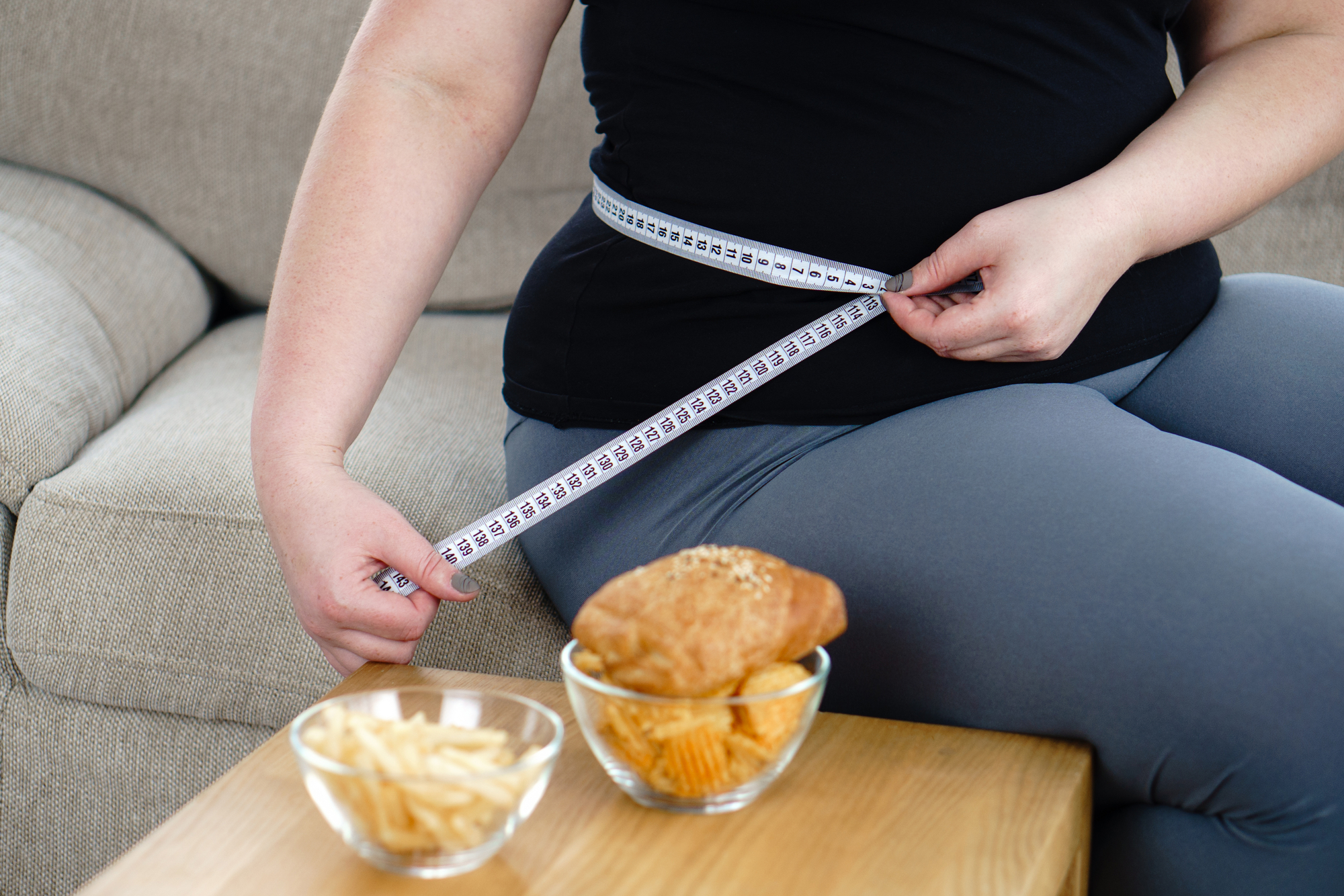
- First gluten.
- Then dairy.
- Then, “inflammatory” foods.
- The entire food groups you once enjoyed.
Escalating restriction is a classic sign of Orthorexia nervosa. Your world of food gets smaller, even as your fear of “doing it wrong” gets bigger.
3. Anxiety, Guilt, or Shame Around Eating
Ask yourself:
- Do you feel afraid to eat outside your everyday routine?
- Do you feel guilty for days after eating dessert or processed food?
- Do you judge yourself as “good” or “bad” based on what you ate?
These emotional reactions are core orthorexia symptoms. When your sense of worth gets tied to how “pure” your eating is, it’s no longer just about health; it’s an eating disorder pattern. Body dissatisfaction and body image concerns often fuel these rigid patterns.
4. Social Eating Starts to Feel Unsafe
Social eating can become stressful or even terrifying:
- You avoid restaurants because you can’t control the menu.
- You bring your own food to gatherings, even when it’s not necessary.
- You decline invitations because you’re scared there won’t be anything “safe” to eat.
Over time, this shrinks your life. Instead of food supporting connection, your rules block you from enjoying your relationships and your recovery community.
5. Your Health and Energy Get Worse, Not Better
Ironically, a strict “healthy eating” plan can lead to:
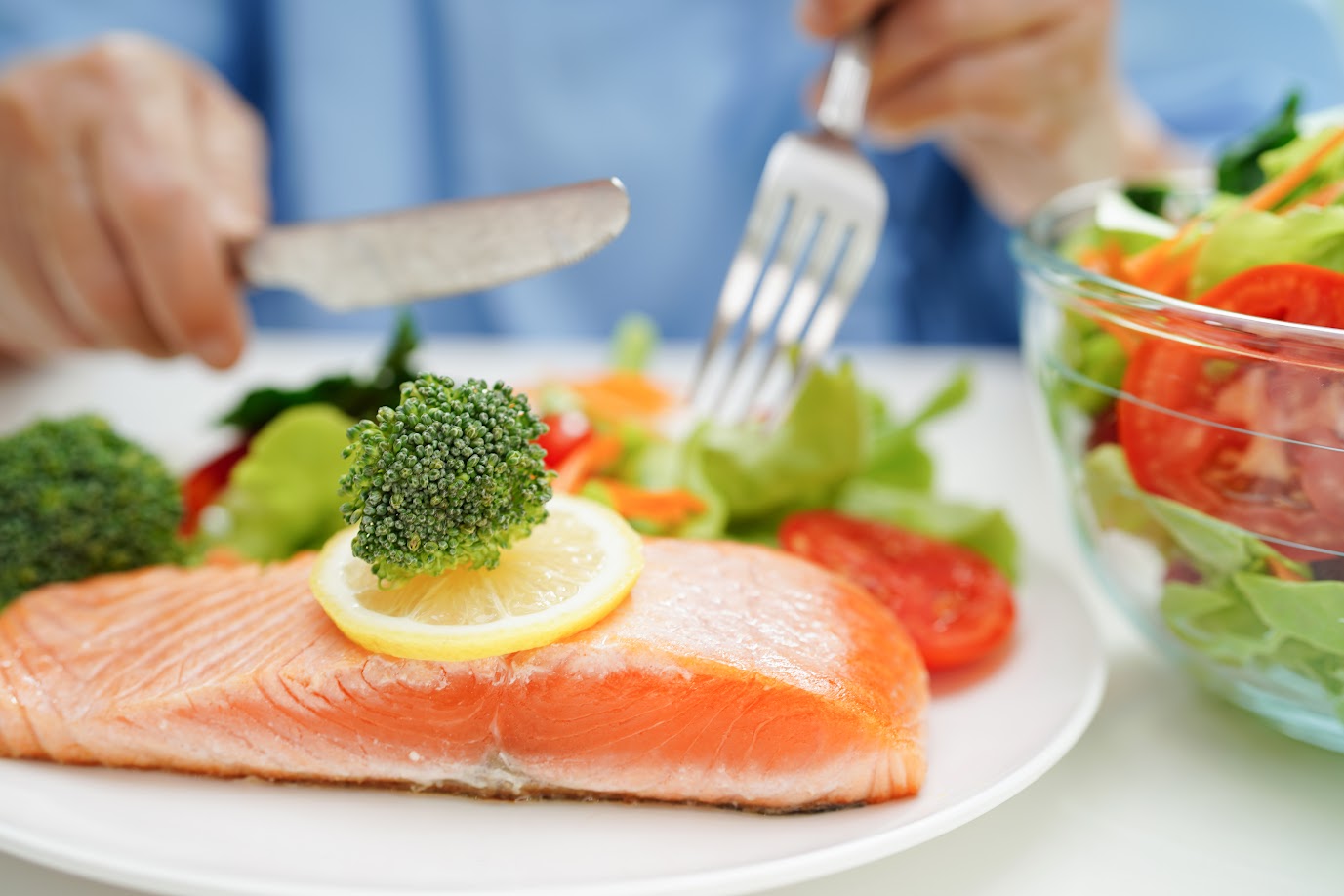
- Nutritional deficiencies from a lack of variety.
- Low energy, dizziness, or feeling weak.
- Worsening mood, brain fog, and higher stress.
When a plan meant to protect your health starts harming it, that’s a powerful sign that orthorexia recovery, not more restriction, is needed.
How Restrictive Diets and Diet Culture Create Hidden Risks
Restrictive diets are everywhere in modern diet culture, especially for women in midlife dealing with hormones, gut issues, and weight changes. But strict plans that cut out many food groups can quietly turn into disordered eating.
Physical risks include:
- Nutritional deficiencies that affect hormones, bone health, and brain function.
- Increased fatigue and slower recovery from stress or illness.
- Digestive issues that actually worsen when your diet becomes too limited.
Emotional and mental risks include:
- Constant worry and fear around meals.
- Feeling like a failure if you eat something “off plan.”
- Higher risk of anxiety and depression when food is your primary coping mechanism.
- In severe cases, patterns that overlap with substance use behaviors, using food rules to numb or control emotional distress.
Social risks include:
- Skipping gatherings because of the menu.
- Feeling misunderstood or “too much” when you try to explain your rules.
- Living a life built around a diet instead of your values, relationships, and joy.
These risks are why understanding orthorexia symptoms and the warning signs early is so vital. Restriction is not a long-term solution; it is a warning light.
Orthorexia Recovery: A Healthier Way Forward
Orthorexia recovery is about cultivating a balanced and compassionate relationship with food and your body. The recovery process takes time, support, and often a multidisciplinary team of professionals.
Here are key pieces of a supportive orthorexia recovery path:
1. Work with a Qualified Medical Professional and Treatment Team

Partner with a medical professional and, if possible, an eating disorder specialist who understands Orthorexia nervosa and disordered eating. Depending on your needs, you may benefit from:
- Outpatient treatment – Regular therapy, nutrition counseling, and medical monitoring while living at home.
- Inpatient treatment – More intensive care in a residential setting if symptoms are severe or health is at risk.
- A treatment program that includes trauma-informed care and addresses physical and emotional components of healing.
Your team can help identify nutritional deficiencies and other health concerns, assist you in reintroducing food groups safely, and support you in developing a sustainable plan. Many insurance plans now cover eating disorder recovery services; it’s worth checking your coverage and asking about available options.
2. Try Cognitive Behavioral Therapy (CBT)
CBT, which stands for cognitive behavioral therapy, has been one of the most effective treatments for Orthorexia. CBT helps you:
- Identify and challenge distorted thoughts about food, body image concerns, and purity.
- Recognize triggers and develop healthier responses.
- Build an emotional intelligence toolkit, skills for recognizing, understanding, and managing emotions effectively.
CBT’s focus on managing thoughts and emotions provides valuable support for anxiety and perfectionism that often underlie Orthorexia.
3. Shift from Rigid Rules to Mindful Eating and Intuitive Eating
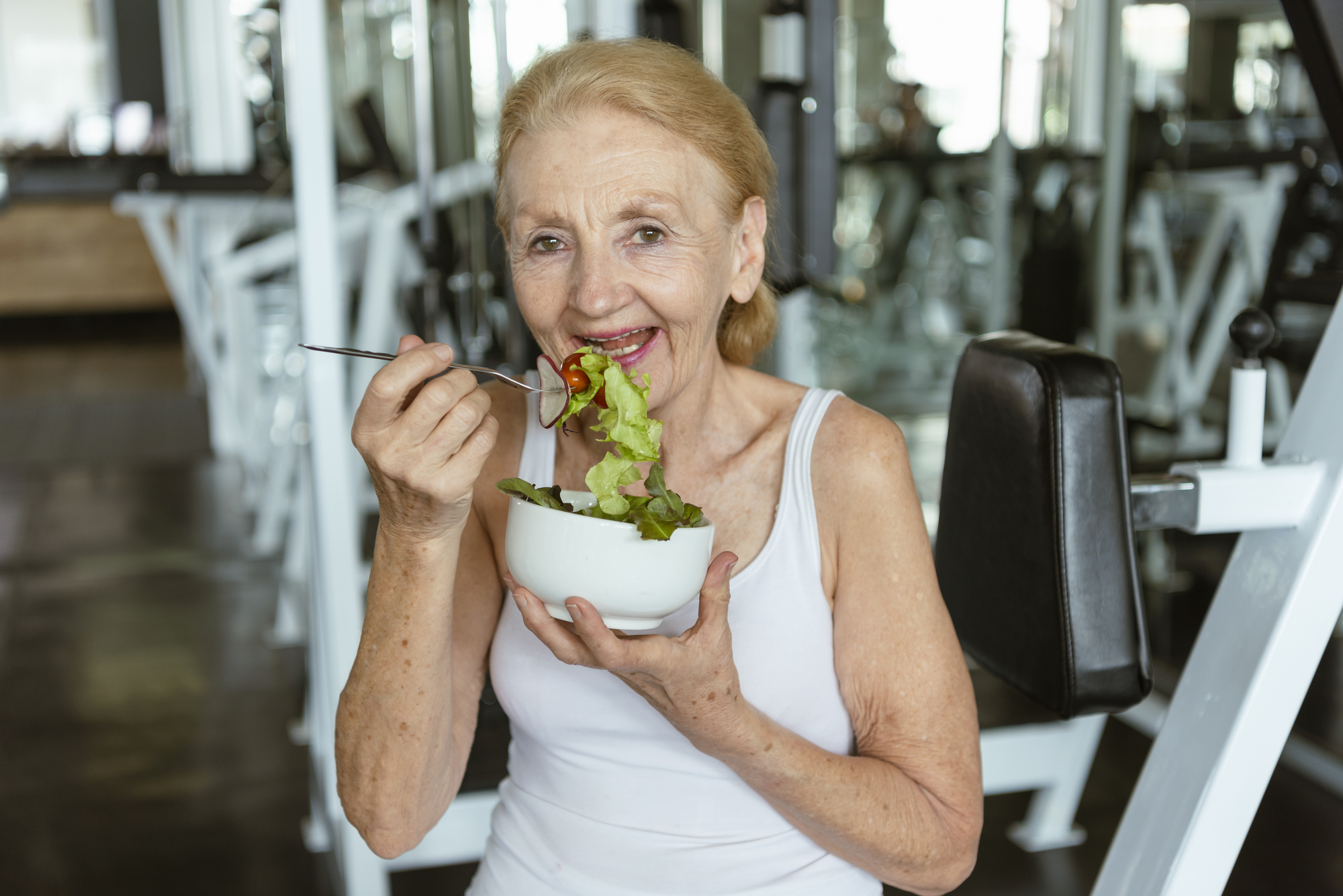
Mindful eating and intuitive eating help you reconnect with your body’s natural signals, rather than relying on rigid external rules. This can include:
- Noticing hunger and fullness cues.
- Paying attention to how different foods actually make you feel.
- Permitting yourself to enjoy food without constant judgment.
These practices support food freedom, where all foods, including healthy options and occasional processed foods, can be incorporated into a balanced diet. You learn to trust your body’s wisdom again.
4. Address the Nutritional Components with Professional Guidance
Working with a qualified dietician who focuses on eating disorder recovery helps you:
- Understand what your body actually needs.
- Reintroduce food groups in a structured and safe manner.
- Heal nutritional deficiencies that developed during restriction.
This nutritional support is a vital component of the recovery process, helping your body regain strength and balance.
5. Expand Your Coping Mechanisms
If food rules have become your primary coping mechanism for handling stress, menopause symptoms, or life changes, it’s time to build new ways of support gently. Think:
- Breathwork, gentle movement, or relaxation practices.
- Journaling, therapy, or coaching to process emotions.
- Rest and nervous system support, not just another diet.
When your nervous system is calmer, it’s much easier to loosen your grip on rigid food rules.
6. Lean on a Supportive Community and Recovery Community

Recovery is often challenging to achieve in isolation. A supportive community, whether in person or online, can:
- Remind you that you’re not alone.
- Encourage you when you feel scared to reintroduce certain foods.
- Celebrate small wins as your world gets bigger again.
Being part of a recovery community or support community helps replace shame with understanding and connection. Social eating can become a part of the healing process instead of something to avoid.
Understanding the Research: Reflexive Thematic Analysis and Emerging Evidence
Researchers are increasingly using methods like reflexive thematic analysis to understand the lived experiences of people with Orthorexia. These qualitative approaches help capture the complexity of the condition and inform better treatment approaches.
Studies consistently show that Orthorexia nervosa shares psychological features with other eating disorders and deserves recognition as a meaningful clinical construct. This growing body of evidence supports the need for clear diagnostic criteria and specialized treatment programs.
Protecting Your Recovery Journey Online
As you navigate orthorexia recovery, be mindful of your social media consumption. Pro-eating disorder social media content and diet culture messaging can be triggering and harmful during the recovery process.
Some websites utilize security services and solutions to safeguard against online attacks that could compromise your personal information when seeking assistance. Look for reputable treatment programs and recovery resources with secure, private platforms.
Consider having breaks from social media or curating your feed to include only body-positive, recovery-focused accounts that support your healing.
You Deserve Food Freedom and Real Health
If you see yourself with these orthorexia symptoms or recognize the five warning signs of Orthorexia in your own life, it doesn’t mean you’ve failed. It means your body and mind are asking for a different kind of care.
You can still value healthy eating and care deeply about your body while:
- Enjoying a variety of food groups.
- Eating with others without panic.
- Letting go of perfection and embracing progress.
Orthorexia recovery is about more than changing what’s on your plate. It’s about releasing fear, healing stress, and choosing a way of living that supports your whole self, body, mind, and spirit.
If you’re ready to move from restriction to food freedom, consider reaching out for support, exploring holistic wellness programs, or joining a community designed to help women in midlife heal their relationship with food. You don’t have to walk this path alone, and you are worthy of a life that feels nourishing, peaceful, and free.
“If you came into my office, I’d ask you a lot of questions that would help us connect the dots … so that together we can deal with your toxic stress.
Every situation is unique and you need a plan that works for you. Not a one-size-fits-all solution.
If you’re thinking you can’t come into my office, don’t worry. I’ve created a program with all of my initial recommendations to help you unravel the mystery. You can use it at home and at your convenience.
So if you’re thinking that managing chronic stress just isn’t possible … or even the answer … for you, I want to show you what you may be missing.
And how you can identify the toxic stressors that are creating your symptoms with my Human Energy System Reboot. You can get started HERE.” – Dr. Gala