
After age 50, your body’s mineral needs shift, especially if you’re a woman. Fatigue and low iron can sneak up on you, leaving you wondering where your energy, your focus, and your steady mood have all gone. It’s more important than ever to understand how your eating habits, digestion, and even inflammation can impact your iron level, brain function, and overall well-being.
In this blog, I’ll explain why your needs change as you age, the signs of iron deficiency to watch for, and the simple foods and lifestyle changes that can help you stay healthy. We’ll also discuss the best treatment strategies so you don’t get stuck following outdated advice that leaves you tired and drained.
You deserve to feel strong, clear-headed, and full of energy well into your 50s and beyond.
Ask Dr. Gala: Your Wellness Wisdom Starts Here
Can low iron be the reason you feel tired all the time after 50?
Yes, and it gets missed constantly because every symptom on the list also reads as ordinary aging. Fatigue. Brain fog. Breathless on the stairs. Cold hands, pale skin, hair coming out in the brush. Craving ice or chewing on it is the strange one, and it is a genuine sign worth reporting rather than laughing off. Absorption also falls as you age, so you can eat well and still run low. Ask for a ferritin level, not only a standard blood count, because ferritin shows the tank draining long before anemia turns up.
Why Low Iron Happens After 50

Many don’t realize that classic symptoms like fatigue, low iron level, brain fog, shortness of breath, and even cold hands and feet can be linked to iron deficiency, not just aging or menopause. These symptoms of iron deficiency often overlap, making it easy to miss what’s going on.
These are some of the most common symptoms reported by women in midlife during a physical examination or routine check-up.
Low levels can affect your energy and stamina, cognitive function (memory, focus, mental clarity), skin color (pale or yellowish skin), breathing (shortness of breath, dizziness, headaches), hair, nails, and skin (hair loss, brittle nails, sore tongue).
Some even notice unusual cravings for things like ice or dirt. That’s called pica, and it can be a clear sign of deficiency.
It’s also worth knowing that vitamin B12 deficiency often shows up with similar symptoms like tiredness, pale skin, and numbness or tingling in your hands and feet.
This is why a thorough physical examination and a discussion of your health history are so critical, especially if you have chronic conditions that can increase your risk of becoming iron deficient.
These symptoms can be especially persistent and disruptive for people with iron deficiency. If you have ongoing bleeding, such as from heavy periods or digestive issues, your risk for deficiency and even severe anemia increases.
Why It’s Harder to Absorb Iron As You Age
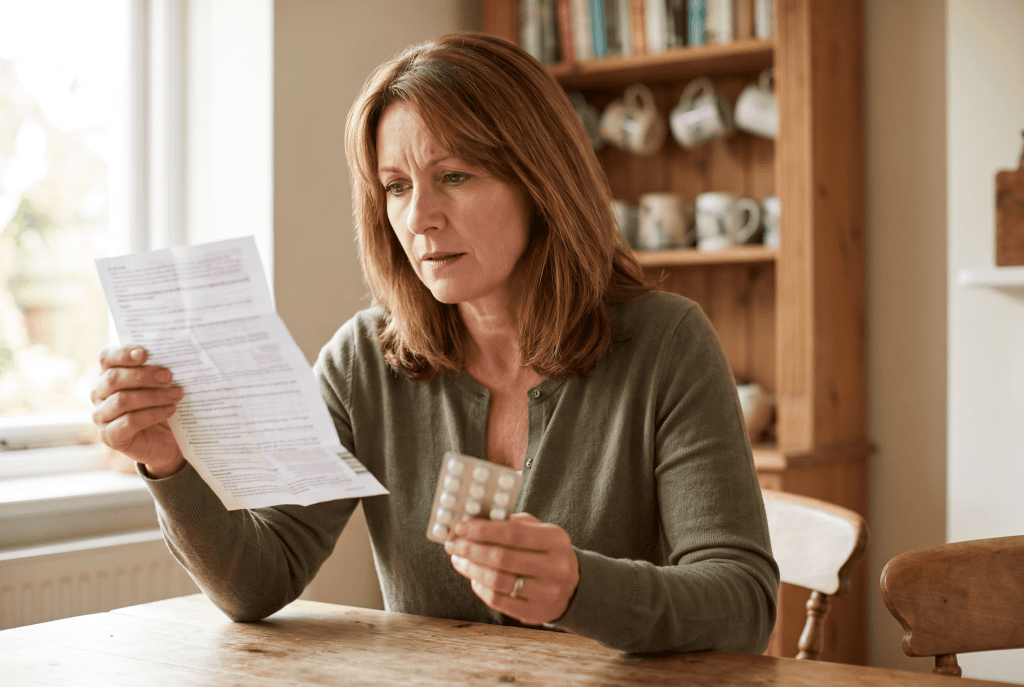
As we get older, our stomach acid naturally decreases. Less stomach acid means your body has a harder time absorbing nutrients from food.
This is one reason many older adults experience deficiencies even if they think they eat a healthy diet. Sometimes, even with a good dietary intake, your body may not absorb enough to keep your levels in the normal range.
If you’re eating well but still feel tired or foggy, your digestion might not be doing its job. Knowing what and how you eat really matters for maintaining a healthy ferritin level.
Foods That Boost (and Block) Iron Absorption
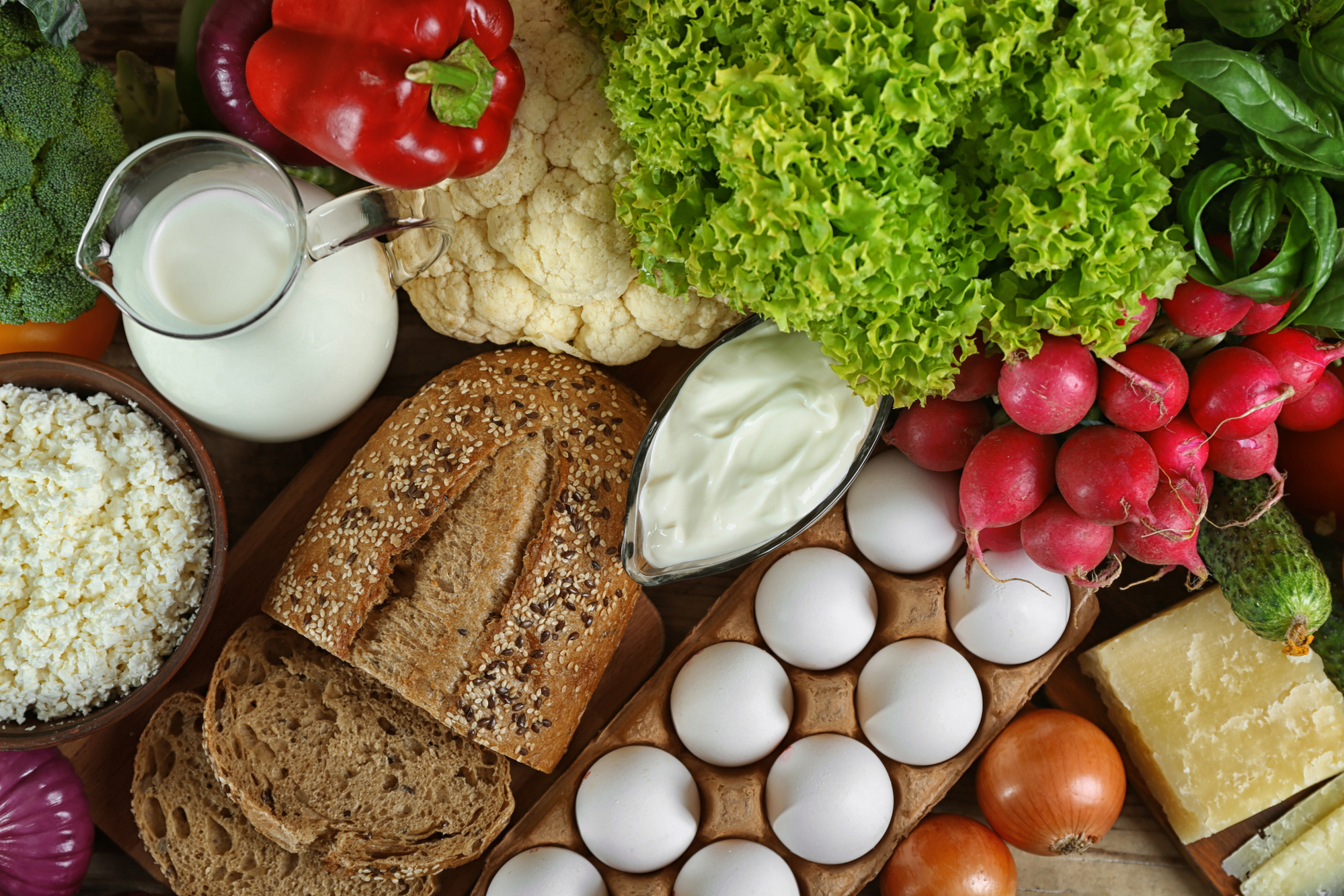
There are two types of this mineral in food.
Heme, which comes from animal sources like red meat, poultry, and fish, is easier to absorb. Non-heme, which comes from plant sources like beans, nuts, and leafy vegetables, is harder to absorb.
If you follow a plant-based diet, pairing iron-rich foods with vitamin C (like citrus fruits, bell peppers, or tomatoes) to boost absorption is essential. Even a glass of orange juice with your meal can make a big difference.
Over time, better absorption helps protect against deficiency and disease.
Here’s a quick cheat sheet.
Boost absorption includes vitamin C, meat, poultry, and fish, cooking plant foods.
Blocks absorption includes tea and coffee, dairy products (milk, cheese), eggs, and certain grains.
If you’re a big coffee drinker or eat a lot of dairy or grains, this could limit how much your body can use. Focusing on foods rich in iron, such as dark meat, beans, lentils, and especially vegetables, can make a real difference for people with iron deficiency.
Leafy vegetables like spinach, kale, and Swiss chard are excellent plant-based options.
Should You Take an Iron Supplement?
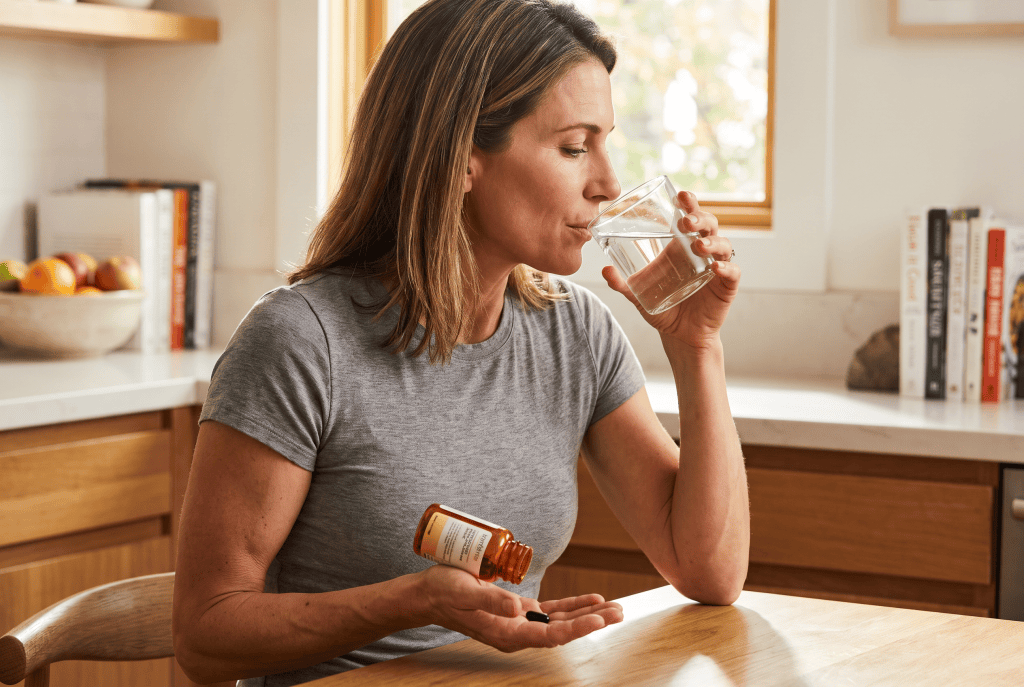
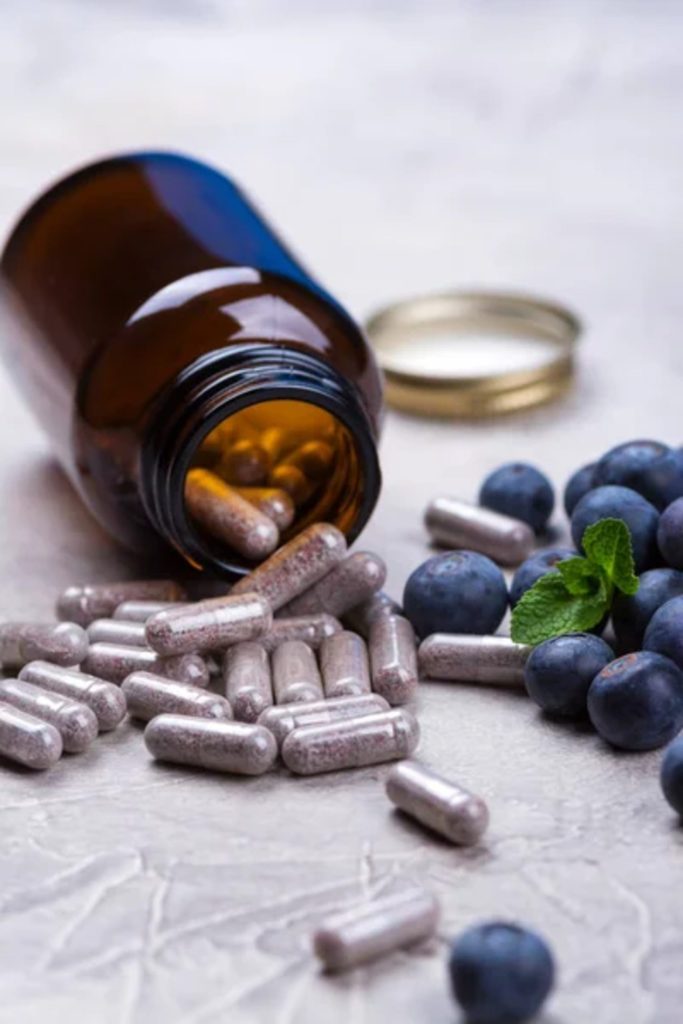
If you’ve added iron-rich foods to your meals and you’re still having symptoms, a high-quality supplement may help, at least in the short term. I personally take a grass-fed liver supplement because I don’t eat beef liver itself (I just can’t do it!).
This helps keep my ferritin level steady, supports my energy, and gives my body the support it needs to stay balanced.
Some quick tips for deficiency treatment.
Take supplements with vitamin C or with food to reduce stomach discomfort.
Avoid taking calcium, tea, or coffee supplements, as they block absorption.
Don’t supplement forever. Use supplements to correct a deficiency, then aim to maintain levels through foods rich in nutrients, like green leafy vegetables that support overall nutrient absorption.
For people with severe anemia, your doctor may prescribe ferrous sulfate, a typical and effective medication for raising levels quickly.
In rare cases where oral supplements and dietary changes aren’t enough, or if there’s ongoing bleeding, a blood transfusion may be necessary to restore healthy blood cells and prevent complications like heart failure.
Most importantly, get a test. Ask your doctor to check:
- Ferritin
- Vitamin B12
- Vitamin D
- Request a complete blood count (CBC) to help identify anemia and other concerns
Ferritin is especially important. It’s your body’s iron stores, and low levels can be an early warning sign even before anemia develops.
When your ferritin is low, your cells can’t do their job of carrying oxygen efficiently, and that’s when you start to feel those classic signs of iron deficiency. If left unaddressed. It can take a toll on how you feel day to day and may lead to bigger health issues later on.
Keeping your blood cells strong helps you stay energized, think clearly, and bounce back better.
Managing Iron Deficiency Takes a Full-Body Approach

Addressing deficiency isn’t just about food or supplements. You’ll want to take a whole-body approach:
1. Eat foods rich in this mineral regularly (think dark meat, beans, leafy greens, and lentils).
2. Pair plant-based sources with vitamin C.
3. Be mindful of absorption blockers like coffee, tea, and dairy.
4. Supplement smartly if needed, but always check with your healthcare provider.
5. Identify and treat root causes like digestion problems, chronic blood loss that may interfere with absorption.
Remember, chronic inflammation or an underlying disease can also make it harder for your body to absorb and use iron. So it’s important to look at the whole picture.
When stores are low, your blood cells struggle to carry oxygen efficiently, which affects everything from energy to focus. Once your levels are restored, many frustrating symptoms like fatigue, brain fog, and even hair loss start to disappear.
Your body works better when your blood cells are oxygen-rich, and your cells are nourished with the nutrients they need.
Final Thoughts
If you’ve been eating well and doing all the “right” things but still feel like you’re running on empty, don’t brush it off. Fatigue, especially the kind that lingers, can be an earliest symptoms of iron deficiency.
Left unaddressed, this can impact your blood cells, weaken your immune system, and increase your risk for disease, including serious complications like heart failure if severe anemia is left untreated.
The good news? Deficiency is treatable.
Whether through a meal plan, iron supplements, ferrous sulfate, or targeted care, there are ways to restore it and get your energy back. Get tested, listen to your body, and make the adjustments that support your wellness, especially in your 50s and beyond.
Remember, you’re not alone in this. You know exactly where to find me if you need support, resources, or a community that gets it.
“If you came into my office, I’d ask you a lot of questions that would help us connect the dots … so that together we can deal with your toxic stress.
Every situation is unique and you need a plan that works for you. Not a one-size-fits-all solution.
If you’re thinking you can’t come into my office, don’t worry. I’ve created a program with all of my initial recommendations to help you unravel the mystery. You can use it at home and at your convenience.
So if you’re thinking that managing chronic stress just isn’t possible … or even the answer … for you, I want to show you what you may be missing.
And how you can identify the toxic stressors that are creating your symptoms with my Human Energy System Reboot. You can get started HERE.” – Dr. Gala