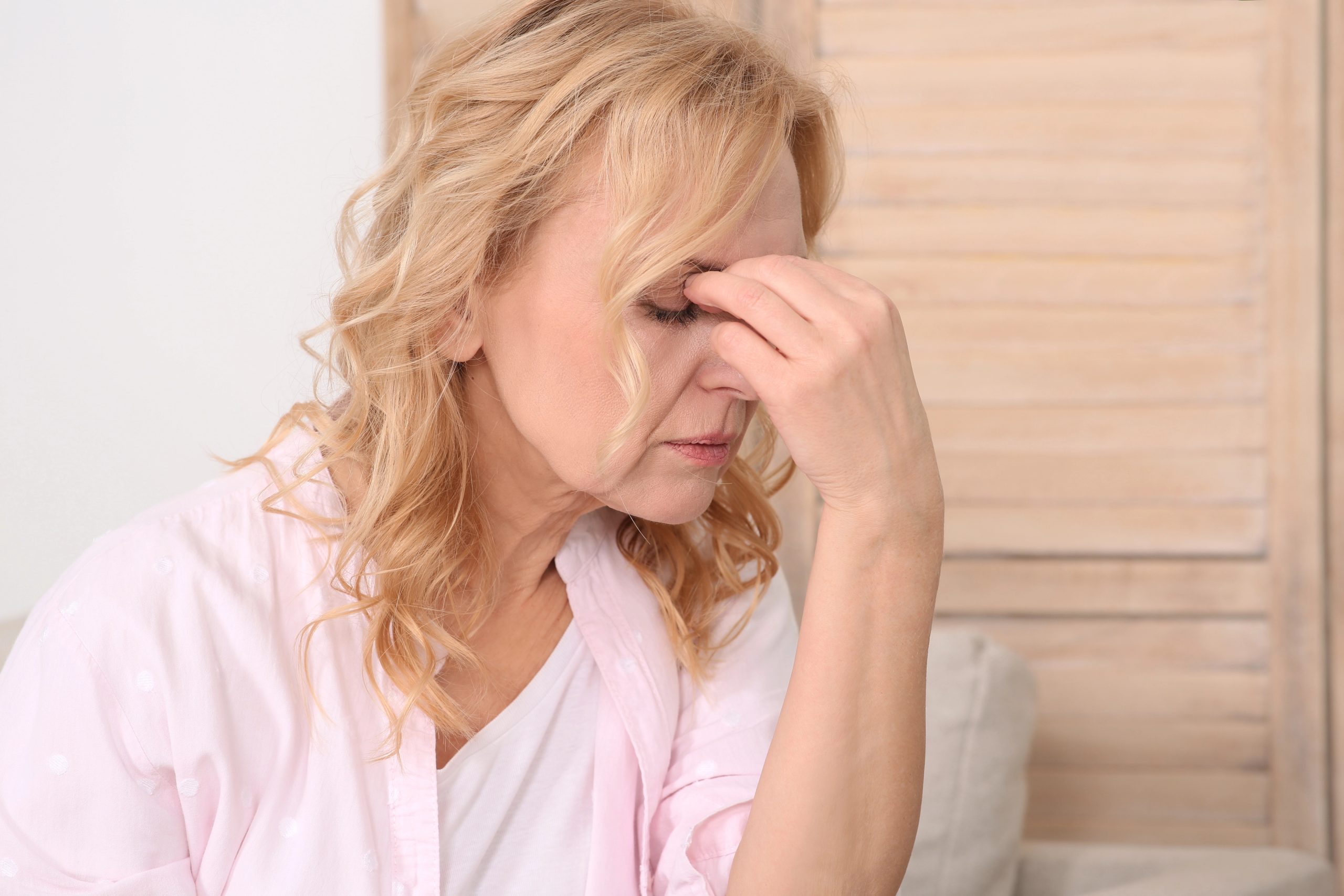
You check off every goal on your list: the career win, the relationship, and the lifestyle you worked toward. For a moment, you feel proud of how far you’ve come. Then worry creeps in, and you can’t tell the difference between stress vs anxiety anymore, suddenly you’re questioning everything you thought would make you happy.
Success feels good at first because it takes all your focus and proves your worth. You work toward the goal and finally feel like you’ve proven yourself. But … this good feeling isn’t lasting because it is based on what others think, not from feeling good without external validation.
Real happiness shows up once the excitement of success settles and you’re able to sit with who you are beyond your achievements. That is where many women get caught between stress and anxiety: one keeps you running toward the next goal, the other keeps you wondering if any of it matters.
Ask Dr. Gala: Your Wellness Wisdom Starts Here
Yes, understanding the shift between stress and anxiety during midlife and menopause starts with recognizing that they’re not the same thing. Stress typically comes from external pressures you can identify, while menopause-related anxiety often feels like constant worry that bubbles up from hormonal shifts, even when nothing’s obviously wrong.
Understanding the Difference Between Stress vs Anxiety
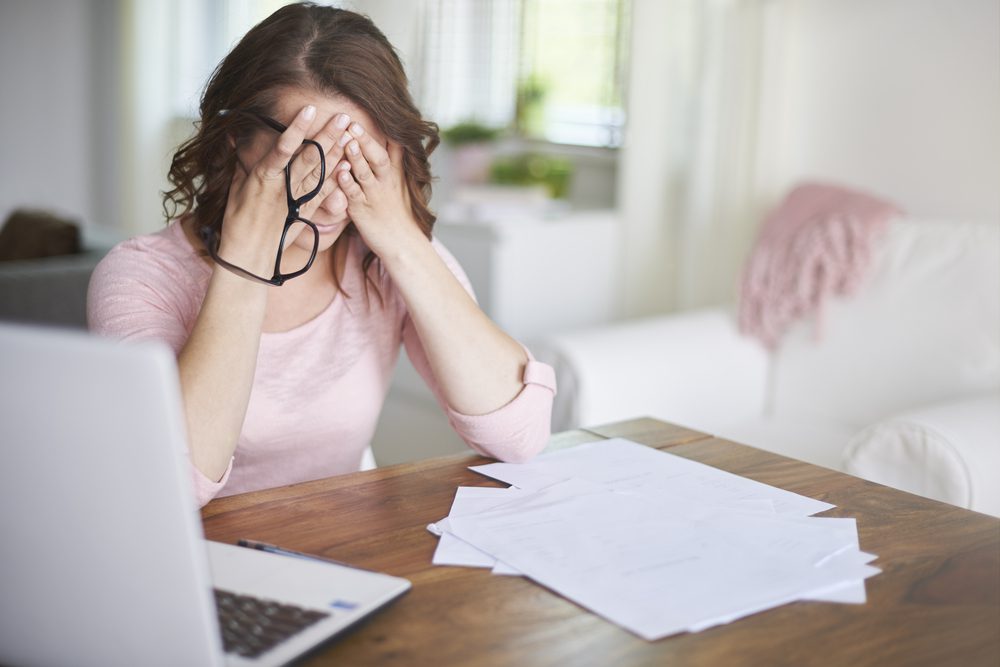
If your mind has been racing or your body feels tense even on quiet days, learning the difference between stress and anxiety and how to manage them can help you find relief.
Stress is your body’s response to outside pressure. It happens when you face a specific challenge: a work deadline, a family fight, a health scare, or something you can’t control like a storm. It’s your body’s natural reaction to a real or possible threat. It usually fades once the problem is solved.
Anxiety sticks around even without an apparent reason. It’s more inside you and ongoing. It stays even when there’s no apparent cause, showing up as constant worry, fear, or unease that gets in the way of daily life. Unlike stress, anxiety lasts long after the problem is gone, or it shows up without any clear problem at all.
The Symptoms Look Similar
Both stress and anxiety can cause chronic stress symptoms, such as:
- Fast heartbeat or heart flutters
- Sweating or hot flashes
- Trouble falling or staying asleep
- Mood swings or sudden anger
- Difficulty focusing or feeling foggy
- Physical tightness in your neck, shoulders, or jaw
Stress ties to a specific situation and usually goes away. Anxiety is more long-lasting and can happen without an apparent trigger. This difference matters because managing them needs different approaches.
The Midlife Factor
Midlife brings a perfect storm of changes that make both stress and anxiety worse. And honestly, you’re not making this up.
Women in midlife face challenges that pile up quickly:
- Changing family relationships as kids leave home, or aging parents need more care
- Work-life balance struggles when you should finally feel successful
- Health concerns that weren’t on your mind before
- Money pressure from all sides
Identity shifts as roles change, and you wonder who you are beyond mom, wife, and worker.
Women in midlife feel more emotional pain than men do. You face big anxiety warning signs during this time, such as losing loved ones, career changes, and relationship shifts. These lead to sadness, midlife anxiety, and questioning your purpose. This emotional upset is often called a midlife crisis, and it’s deeply tied to your mental health and overall well-being.
Why This Happens Now
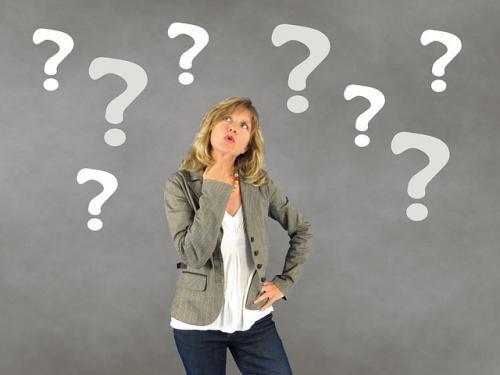
Your doctor tells you that your hormones are making everything bigger. Dropping estrogen and progesterone levels don’t just cause hot flashes and night sweats. They affect brain chemicals like serotonin and dopamine that control your mood.
These hormone changes can make you more susceptible to stress and increase your likelihood of feeling anxious. Women in early perimenopause (the time before menopause) often feel the highest levels of stress and are more deeply affected by depression and anxiety than women in other stages. It’s not your fault; it’s your body working against you at a time when life is already hard enough.
You might notice:
- Midlife mood swings that seem to come from nowhere
- Strong worry or dread that feels new
- Physical feelings that are hard to explain to others
- Sensitivity to stress that feels different than before
- Questioning everything when you used to feel sure
I’ve lived through this myself. During a really stressful time, I felt intense anxiety with feelings inside that were hard to explain.
One woman I talked to described how her senses had gone numb from stress. After several days, she was starting to taste and smell again. These are anxiety warning signs your body is sending you, and don’t ignore them.
What Regular Medicine Gets Wrong
Most medical doctors will quickly suggest HRT or hormone replacement therapy for midlife anxiety.
While HRT can help your mood by adding hormones your body isn’t making, it’s a risky choice, especially when used long-term. The side effects and health risks often outweigh the benefits, and there’s a better way.
Natural Ways to Manage Stress That Work
If sleep isn’t happening, neither is healing. You won’t make progress with even the best health plan if you’re not making rest a priority.
Sleep problems are one of the most common complaints from midlife women, and improving your sleep habits is key to healing. Start by lowering the harmful things your body is dealing with. These dangerous things create problems with sleep, mood control, and hormone balance.
When your body is always in survival mode, dealing with toxins, it can’t relax enough to handle stress the right way or control anxiety. That’s why learning effective stress management techniques is important for your well-being.
The Connection You’re Missing

Women make more oxytocin during stress than men do. That is one of the happy brain chemicals, and it aims to push us to reach out to others we care about and feel safe with.
Men want to fight when stressed, but we women want to connect. But most women in midlife are alone, and that loneliness makes anxiety worse. You’re managing everything alone. You’re not asking for support because you think you should be able to handle it on your own.
Practical Steps Forward
Don’t ignore the symptoms or hide them with medication. Instead, build self-care habits that you can maintain to support natural stress relief. These stress management techniques can make a real difference
Lower your exposure to harmful things.
That includes foods that cause inflammation, toxins in your environment, and even toxic relationships that keep your nervous system on high alert.
Make sleep a must.
If you have trouble sleeping more than one night every month, you have insomnia. Even just once a month can undo the progress you’ve made in maintaining good health.
Reach out to your group.
Find women who understand what you’re going through. Connection protects you from anxiety.
Fix what’s out of balance.
Maintaining hormone balance doesn’t require hormone replacement. It requires support for your body’s natural hormone production through a balanced diet, stress relief, and lifestyle adjustments.
Stop chasing approval from others.
The next goal won’t make you feel better. The next success won’t fill the space. Real happiness comes from the work you do within yourself, not from external accomplishments.
The Warning Signs You Can’t Ignore
Time may be running out when it comes to your health. If you’re experiencing chronic stress symptoms, anxiety warning signs, or midlife mood swings more than sometimes, your body is telling you something needs to change. The stress you’re dealing with is creating distress in your body. That distress, left unaddressed, can lead to disease.
The intention wasn’t to scare you. It meant for you to wake up.
Understanding What Your Body Is Telling You

Telling the difference between stress vs anxiety isn’t just about naming what you feel and accepting anxiety and emotional distress as just part of getting older. There’s a better way to move through midlife, one that honors your body’s wisdom while supporting it through change.
Stress will pass when the situation changes. Anxiety needs deeper support, dealing with the hormone shifts and harmful load that keep your nervous system working overtime even when there’s no real threat.
Moving Forward with Clarity
As you move through midlife, it’s completely normal to notice changes in your mood, energy, and emotional responses. Managing stress and anxiety in midlife can ease emotional tension and support your overall well-being. By identifying toxic triggers, supporting natural hormone balance, prioritizing sleep, and making lifestyle adjustments, you can discover what your body truly needs to heal.
I’ve helped countless women reverse the effects of long-term stress without medication or strict rules. Let’s work together to restore your emotional balance, feel steadier, and more at ease.
“If you came into my office, I’d ask you a lot of questions that would help us connect the dots … so that together we can deal with your toxic stress.
Every situation is unique and you need a plan that works for you. Not a one-size-fits-all solution.
If you’re thinking you can’t come into my office, don’t worry. I’ve created a program with all of my initial recommendations to help you unravel the mystery. You can use it at home and at your convenience.
So if you’re thinking that managing chronic stress just isn’t possible … or even the answer … for you, I want to show you what you may be missing.
And how you can identify the toxic stressors that are creating your symptoms with my Human Energy System Reboot. You can get started HERE.” – Dr. Gala