
Your body needs change after 50, and vitamin D becomes one of the most important nutrients to get right for your bone health and overall well-being.
If you’re a woman in midlife, you’ve probably noticed that your energy, mood, and physical strength feel different from a decade ago. You might be wondering if you’re getting enough of this essential nutrient or if you should be taking a supplement.
In this blog, I’ll show you the best sources of vitamin D, how to use food and sunlight to support your levels, and when supplementation makes sense. You deserve to feel strong, with healthy bones, clear-headed, and energized well into your 50s, 60s, and beyond.
Let’s make your health and well-being a priority. Support your body’s changing needs with enough vitamin D, often called the sunshine vitamin.
Ask Dr. Gala: Your Wellness Wisdom Starts Here
Could a common nutrient shortfall explain fatigue you have blamed on menopause?
Yes, and it is the first thing I check when a woman tells me she is tired, achy and flat for no reason she can name. Those symptoms overlap so completely with the change that the real cause gets filed under aging and never tested. Low vitamin D weakens bone, dampens immune function, drags on mood and mental clarity, and leaves muscles heavy. The recommended daily allowance sits at 600 IU for most adults, and midlife skin makes less from the same hour of sun. Get the blood level measured before you supplement, then treat the number instead of the guess.
Why Vitamin D Matters More Than Ever in Midlife
Many women confuse symptoms of a deficiency in this essential nutrient, such as fatigue or mood swings, with regular signs of aging or menopause. These symptoms often overlap, so it’s easy to miss what’s going on.
That’s why understanding your sources is so essential for women in midlife. A deficiency can affect several aspects of your overall health and well-being.
It can weaken bone strength and increase fracture risk, contribute to conditions like rickets, lower immune system function, increase susceptibility to illnesses, including some cancers, and impact mood and mental clarity.
It can also reduce muscle health and energy. Vitamin D regulates the body’s inflammatory response, which may influence how effectively you recover from infections or injuries.
If you’ve been feeling “off” and can’t quite understand why, checking your status is a smart place to start. I see women all the time who are doing everything right but still feel tired, achy, or moody, symptoms that can affect their health.
Often, a simple check reveals the missing link. Knowing the best dietary sources and getting your intake right can make a real difference in your daily energy, mood, and overall health.
How Much Vitamin D Do You Need? (And Why More Isn’t Always Better)
It’s tempting to think that more must be better if a bit is good. But with this nutrient, balance is everything.
Most adults’ recommended dietary allowance (RDA) is 600 IU (15 mcg) daily. If you’re over 70, that increases to 800 IU (20 mcg).
The safe maximum is 4,000 IU (100 mcg) per day. Taking too much, especially from oral sources, can be dangerous for your body.
High doses can cause hypercalcemia, a rise in blood calcium levels that may lead to nausea, vomiting, weakness, frequent urination, renal calculi, and even kidney failure.
Vitamin D might help protect against cancer, but its role is complicated. That’s why getting the right amount and avoiding taking too much is important.
The good news is that getting too much from food or time spent outdoors in natural conditions alone is almost impossible. Before taking a high-dose supplement it’s best to seek medical advice before starting a high-dose supplement.
Your needs are unique, and more isn’t always better. I’ve seen women take mega-doses only to end up with new symptoms and more confusion. Taking it safe and steady helps you feel your best for the long haul.
Sunlight: Your Body’s Natural Source of This Nutrient

One of the most natural and powerful sources of this nutrient is the sun. When UVB rays reach your skin, your body produces this vital nutrient.
But as we age, finding the right balance between getting enough sun and protecting our skin can feel tricky.
For getting enough of it safely from the sun, I recommend:
Try to soak up 10 to 30 minutes of midday sunlight a few days each week. If you have lighter skin, you may need less. If your skin is darker, you might need more time, possibly up to 90 minutes.
Expose larger areas like your arms and legs. Your face and hands alone may not be enough to generate sufficient vitamin D.
Avoid sunburn. While a bit of sunlight is beneficial, too much can be harsh on your skin and raise your risk of skin cancer.
Additional factors that impact how your body makes vitamin D are:
Time of day: Midday is the most effective time for synthesis.
Latitude: The farther you are from the equator, the less UVB exposure you get year-round.
Season: In winter, your body may produce little.
Age: Older skin has a reduced ability to produce vitamin D. As the production declines, the risk of bone thinning and fractures can increase.
Skin tone: Darker skin needs more sun to produce the same amount of this nutrient as lighter skin.
If you spend most of your time indoors or live in a northern climate, you may need to rely more on food and supplements to maintain healthy levels. I personally notice a big difference in my mood and energy when I get safe, regular sun exposure, even if it’s just for a few minutes each day.
Best Food Sources of Vitamin D
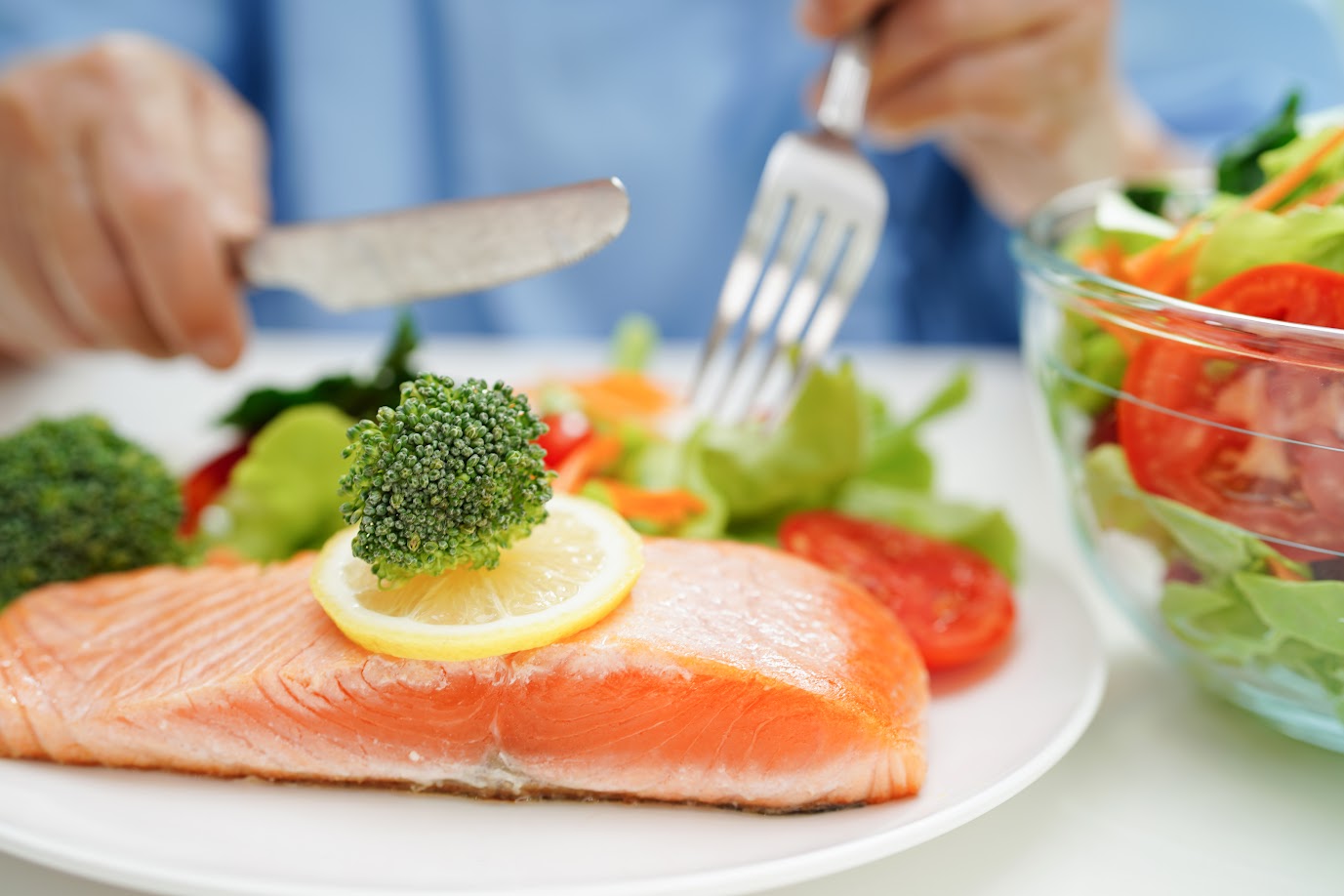
Very few natural options contain significant amounts of vitamin D. Knowing the sources is so important, especially if you’re not getting much sun, as prolonged deficiency can lead to issues like rickets and osteomalacia.
Nutrient-rich options and a supplement can help cover the gaps. When natural light isn’t enough, supporting your bone health through your diet becomes even more important for reducing the risk of fractures.
Top Natural Food Sources:
Fatty Fish: Salmon, trout, sardines, mackerel, and herring are your best bets. A 3-ounce serving of rainbow trout has about 645 IU, which provides 400–600 IU per serving.
Egg Yolks: Don’t skip the yolks, they’re nutrient-dense and a good non-fish source. Free-range or specially fed hens have even higher levels.
UV-Exposed Mushrooms: Exposure to UV light can have up to 1,100 IU per cup. Regular button mushrooms grown in the dark won’t do the trick, look for “UV-exposed” on the label.
Fortified Foods:
Cow’s milk: Fortified in many countries (about 100–120 IU per cup). If you tolerate milk, this can be a convenient way to add to your diet.
Plant-Based Alternatives: Soy, almonds, rice, and oats are often fortified (100–144 IU per cup).
Fortified Orange Juice: About 100 IU per cup. Some diets and supplementation fortified with vitamin D may also support protection against certain cancers.
Yogurt and breakfast cereals often have added sugars and processed ingredients, so check the label carefully.
Less Common Sources:
Cod Liver Oil: One tablespoon contains about 1,360 IU, but it’s not for everyone. Specific fortified options and supplements may also support protection against particular cancers.
Liver and Offal: Some animal organs are rich, but these should be eaten in moderation.
If you avoid animal products, focus on fortified plant milk, UV-exposed mushrooms, and cereals. If you don’t eat much fish like me, getting daylight and making wise dietary choices becomes even more important for your muscles and bones.
Do You Need a Supplement?
Sometimes, even with the best dietary sources and regular sun exposure, it may not be enough to prevent conditions like rickets or reduce the risk of fractures.
Especially if you have darker skin, digestive issues, or specific conditions. This is where supplementation can help.
Typical dose: 600–800 IU daily is standard, but some women need more, especially if their blood levels are low.
Upper limit: Don’t exceed 4,000 IU daily unless your doctor recommends it.
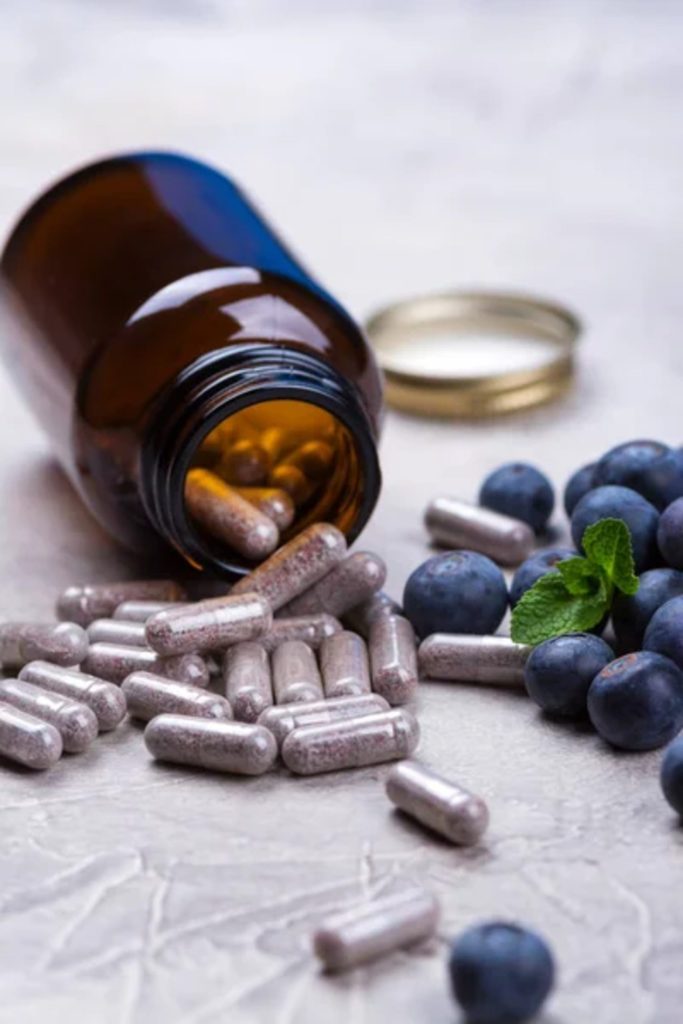
Form matters: Vitamin D3 (cholecalciferol) is better absorbed than D2. Vitamin D comes in two primary forms: cholecalciferol (vitamin D3), which your body produces naturally and absorbs more efficiently, and ergocalciferol (vitamin D2), which is plant-based but less potent.
Take it with a meal containing fat for best absorption. If you’re using the option, check your blood levels every few months.
Remember, these are a tool and not a replacement for a healthy lifestyle. I always remind my clients they’re meant to fill gaps and not do all the heavy lifting.
Special Considerations for Women in Midlife
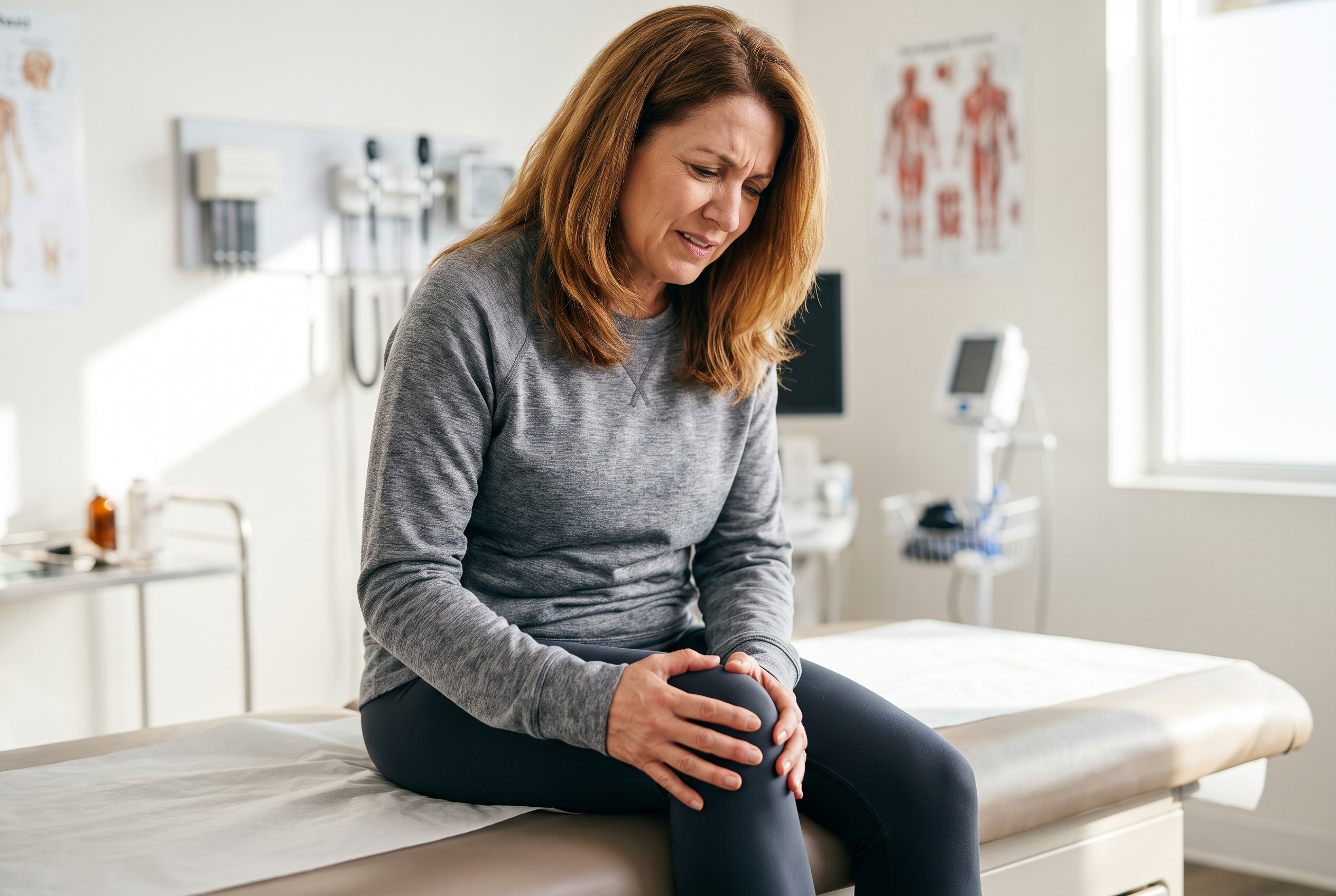
As we age, our skin’s ability to produce vitamin D drops and our digestion may not work as efficiently. If you’re experiencing chronic fatigue, mood changes, or bone aches, don’t ignore these symptoms.
They could be signs of low sunshine vitamin levels or early-stage bone conditions like osteoporosis, osteomalacia, or rickets.
You’re especially at risk if:
You spend most of your time indoors. You cover up or use strong sun protection. You have darker skin or are over 70.
If you have digestive issues or take certain medications, or if you have a family or personal history of osteoporosis or skin cancer, monitoring your vitamin D levels is especially important.
Make sure to have your vitamin levels checked with a blood test by your doctor. If you have a history of skin cancer, your healthcare provider will help you balance safe sun exposure and supplementation.
A small step like this can boost your daily energy and support your physical condition over time. If you have any medical conditions, especially kidney problems, talk to your healthcare provider to create a safe plan.
Final Thoughts
If you’ve been eating well and spending time outdoors and still feel like your energy or mood isn’t where you want it to be, don’t overlook it. Sometimes a small change, like adjusting your sun exposure.
During winter, daylight is scarce, so it’s even more important to focus on vitamin D intake through diet and vitamin support. Adding more nutrient-rich meals or selecting the right supplement can make a meaningful difference.
Getting enough vitamin D through daylight, diet, and appropriate supplementation is essential for your overall health and for supporting a strong immune system.
It helps prevent conditions affecting your bones, such as osteoporosis, rickets, and fractures. It may also support protection against certain types of cancer.
You deserve to feel strong, focused, and energized at any age. Your well-being matters, and taking care of your vitamin D levels can help lower your risk of cancer.
“If you came into my office, I’d ask you a lot of questions that would help us connect the dots … so that together we can deal with your toxic stress.
Every situation is unique and you need a plan that works for you. Not a one-size-fits-all solution.
If you’re thinking you can’t come into my office, don’t worry. I’ve created a program with all of my initial recommendations to help you unravel the mystery. You can use it at home and at your convenience.
So if you’re thinking that managing chronic stress just isn’t possible … or even the answer … for you, I want to show you what you may be missing.
And how you can identify the toxic stressors that are creating your symptoms with my Human Energy System Reboot. You can get started HERE.” – Dr. Gala