
Is your gut working with you or against you? That question matters more than most people realize, especially in midlife. Digestive issues, low energy, and even mood changes can be connected to gut imbalance.
Gut health affects how you feel, how your immune system cells function, and how your body absorbs what it needs to keep your cells healthy.
In this blog, you’ll learn how probiotics and prebiotics, along with fermented foods, support digestive health and a stronger immune system.
With the right balance of beneficial bacteria and food-based support. You can promote steady digestion and long-term wellness without overwhelming your body.
Ask Dr. Gala: Your Wellness Wisdom Starts Here
Do probiotics and prebiotics really improve gut health and immune support?
Yes, when you get them from food rather than a bottle. Probiotics are the beneficial bacteria that handle digestion. Prebiotics are the fiber-rich foods that feed them. You’ll find probiotics in fermented foods like yogurt with live cultures, kefir, sauerkraut, kimchi and miso. Prebiotics come from everyday produce like bananas, onions, garlic, asparagus and oats. Eat a variety of both and you feed more strains of good bacteria, which is what builds a gut that can handle real life. Bring in the helpers without feeding them and they don’t stick around, which is why probiotics and prebiotics work better as food than as a supplement bottle.
Why Gut Health Matters

Gut health is about more than digestion. A healthy gut and a balanced microbiome help regulate immune cells, support energy production at the cellular level, balance mood, and even improve sleep quality.
When things get out of sync in your gut microbiome, your immune cells might not work as well. This is especially common after taking antibiotics. Leading to uncomfortable symptoms like bloating, constipation, fatigue, and more frequent illnesses.
Your gut microbiome is made up of friendly bacteria living in your digestive system. The type of diet you follow, how you manage stress, and whether your gut is receiving the proper support all contribute to how well this system works. That’s where probiotics and prebiotics come in.
Making probiotic-rich fermented foods like yogurt a regular part of your diet is a simple and natural way to bring helpful microbes into your system. These good bacteria work hard to keep your gut healthy and balanced. Including them regularly can help your digestive system run smoothly.
What Are Probiotics and Prebiotics?

Good bacteria known as probiotics work to break down what you eat and support the activity of digestive cells. They also synthesize nutrients and keep harmful microbes in check. Think of probiotics as the friendly microbes that maintain balance in your digestive system and support digestive health. These microbes thrive on nourishing fibers from plant-based foods.
Prebiotics are the fiber-rich sources that feed those friendly bacteria, supporting healthy intestinal cells. Your body can’t digest them, but your gut bacteria love them. Without this nourishment, probiotics can’t do their job effectively.
Together, probiotics and prebiotics help with digestion, protect your immune cells, and keep your gut lining healthy, which is made up of millions of specialized cells working hard for you.
Natural Sources of Probiotics
Some of the best natural probiotics come from fermented foods. Helping to nurture beneficial bacteria that interact directly with gut lining cells. These include:
- Yogurt with live cultures (non-dairy options are available)
- Kefir
- Sauerkraut
- Kimchi
- Miso
- Tempeh
- Kombucha
These items introduce beneficial bacteria and probiotics into your digestive system. These bacteria communicate with immune cells to support gut health.
Eating a variety of fermented foods supports different strains of microbes. This helps improve overall gut diversity, digestive health, and balance in your microbiome.
Natural Sources of Prebiotics
These fibers come from specific types of fiber found in everyday sources, like:
- Bananas
- Onions
- Garlic
- Artichokes
- Asparagus
- Leeks
- Whole grains such as oats and barley
When you eat these sources regularly, you provide probiotics with the nourishment they need to thrive. This helps keep your intestinal cells healthy and supports smoother digestion over time.
How Prebiotics and Probiotics Work Together
It is most effective when consumed together, a relationship known as synbiotics. Probiotics introduce healthy microbes into your gut, and prebiotics provide the fuel they need to thrive. Together, these support digestion and help strengthen your immune system naturally.
Maintaining a healthy balance of both improves digestion and supports immune cells. This strengthens your body’s defenses, which play a big role in human health. It can help lift your mood and clear your mind by supporting communication between your gut and brain cells.
Something people rarely hear. Serotonin, one of the happy brain chemicals, is made in your gut. So when your gut is off, your mood goes with it. Blame the bad week or your own attitude if you want to. The chemistry was already working against you, and that is one more reason your digestion deserves more attention than the ten seconds it usually gets.
Prebiotics can be especially helpful if you’re trying intermittent fasting or going through hormonal changes. They might help curb your hunger and support a balanced metabolism.
Can Supplements Help?

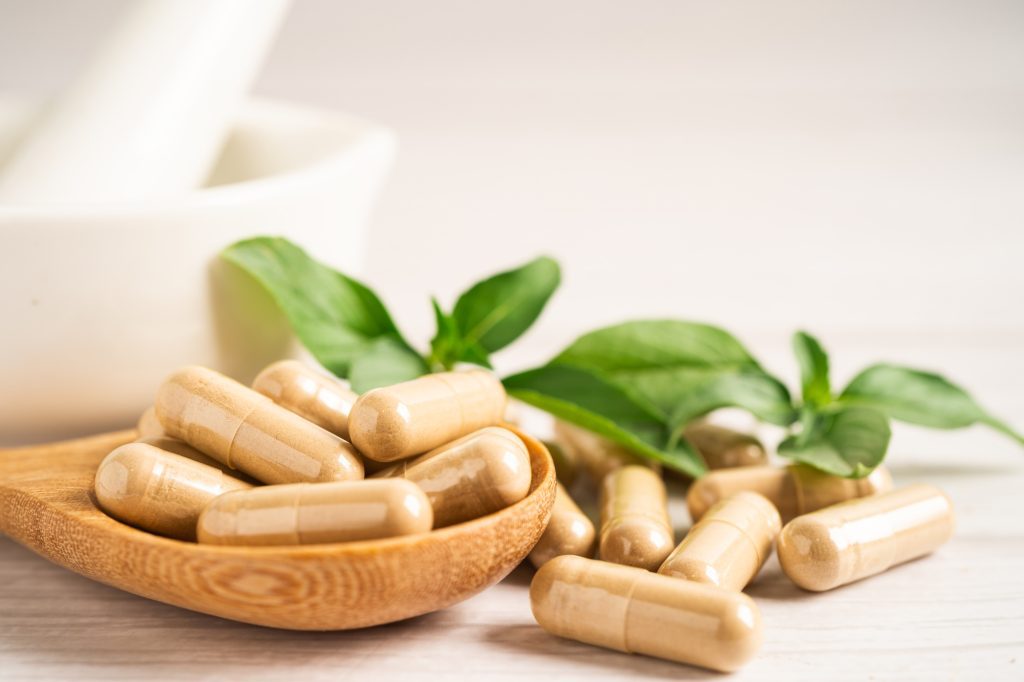
While food should always be your first line of support, some people find it hard to get enough probiotics and prebiotics from their diet alone. If you don’t eat much dairy or grains, you might miss important fiber and probiotic sources.
In this case, a high-quality probiotics supplement might be helpful, but it should be used thoughtfully. Even if you decide to take supplements, it’s still a good idea to include quality fermented foods in your diet regularly. These foods deliver natural probiotics that help keep your microbiome healthy in ways supplements can’t always fully replicate.
Some types of supplements can sometimes disrupt gut balance if taken too frequently or without guidance. And remember, supplements don’t contain the fiber your gut needs to keep things moving.
If you supplement, pair it with fiber-rich ingredients and observe how your body responds. Look for signs like bloating or irregularity, which may indicate the need for a different approach or professional input.
My own position is firm, and it is the same one I give patients. I don’t recommend taking supplements long-term. A supplement is a bridge while you fix whatever made it necessary, and probiotics and prebiotics are no exception to that.
I’ll put myself in this group too. I stay away from dairy, so yogurt and kefir are out for me, and sauerkraut, kimchi and kombucha are a non-starter. If I’m avoiding grains as well, the fiber that feeds the good bacteria has to come from somewhere. So I’m one of the people who has to think carefully about supplementing, rather than one of the people telling you not to. You may be in exactly the same spot.
What to Watch For
If you often feel bloated, get sick more than usual, or just run low on energy, your body might be trying to get your attention. These could be signs that your gut cells and immune system need extra care.
Bloating, constipation, and food sensitivities are often early signs of imbalance. These symptoms might be your body’s way of telling you it’s not getting enough probiotics. Without enough support, the balance of microbes in your gut can shift, making it more sensitive to issues. Your immune system is closely tied to your gut.
When beneficial bacteria are outnumbered, your body becomes more vulnerable to illness. Focusing on your diet and staying in tune with your body can naturally ease these symptoms and support your digestive health.
Simple Ways to Support Your Gut
Keeping your gut health in check and your microbiome balanced supports a healthier immune system. Start by:
- Noticing your stress matters because it affects your digestive health.
- Including at least one probiotic-rich fermented food in your meals each day.
- Adding fiber-rich vegetables like onions, garlic, and artichokes to feed your probiotics.
- Drink plenty of water to help fiber move along and keep things working right.
- Reducing the type of added sugars and processed items, which disrupt gut bacteria.
Listening to Your Body

Maintaining gut health is an ongoing process. What works for one person may not work for another, and your body’s needs can change over time. Self-awareness is key.
Paying attention to how your body’s cells react to certain probiotic foods, supplements, or changes in your routine is important. It can guide you toward better, more informed choices for your health.
If something doesn’t feel right, it’s worth revisiting your diet, especially your intake of fiber and fermented foods. You might also consider seeking professional input. You know your body best.
Small Choices for a Happier Gut and Healthier You
Taking care of your gut and supporting your microbiome is a simple but powerful way to boost long-term wellness. It also encourages healthy cellular development.
With a better understanding of probiotics and prebiotics, and how to include them through simple dietary choices. You can improve digestion, strengthen your immune system, and support overall balance.
Keep things simple. Pay attention to what your gut is telling you. Fermented foods are an easy way to keep your gut microbiome happy and balanced.
This makes it easier for your body to absorb nutrients, support immunity, and feel more energized.
“If you came into my office, I’d ask you a lot of questions that would help us connect the dots … so that together we can deal with your toxic stress.
Every situation is unique and you need a plan that works for you. Not a one-size-fits-all solution.
If you’re thinking you can’t come into my office, don’t worry. I’ve created a program with all of my initial recommendations to help you unravel the mystery. You can use it at home and at your convenience.
So if you’re thinking that managing chronic stress just isn’t possible … or even the answer … for you, I want to show you what you may be missing.
And how you can identify the toxic stressors that are creating your symptoms with my Human Energy System Reboot. You can get started HERE.” – Dr. Gala