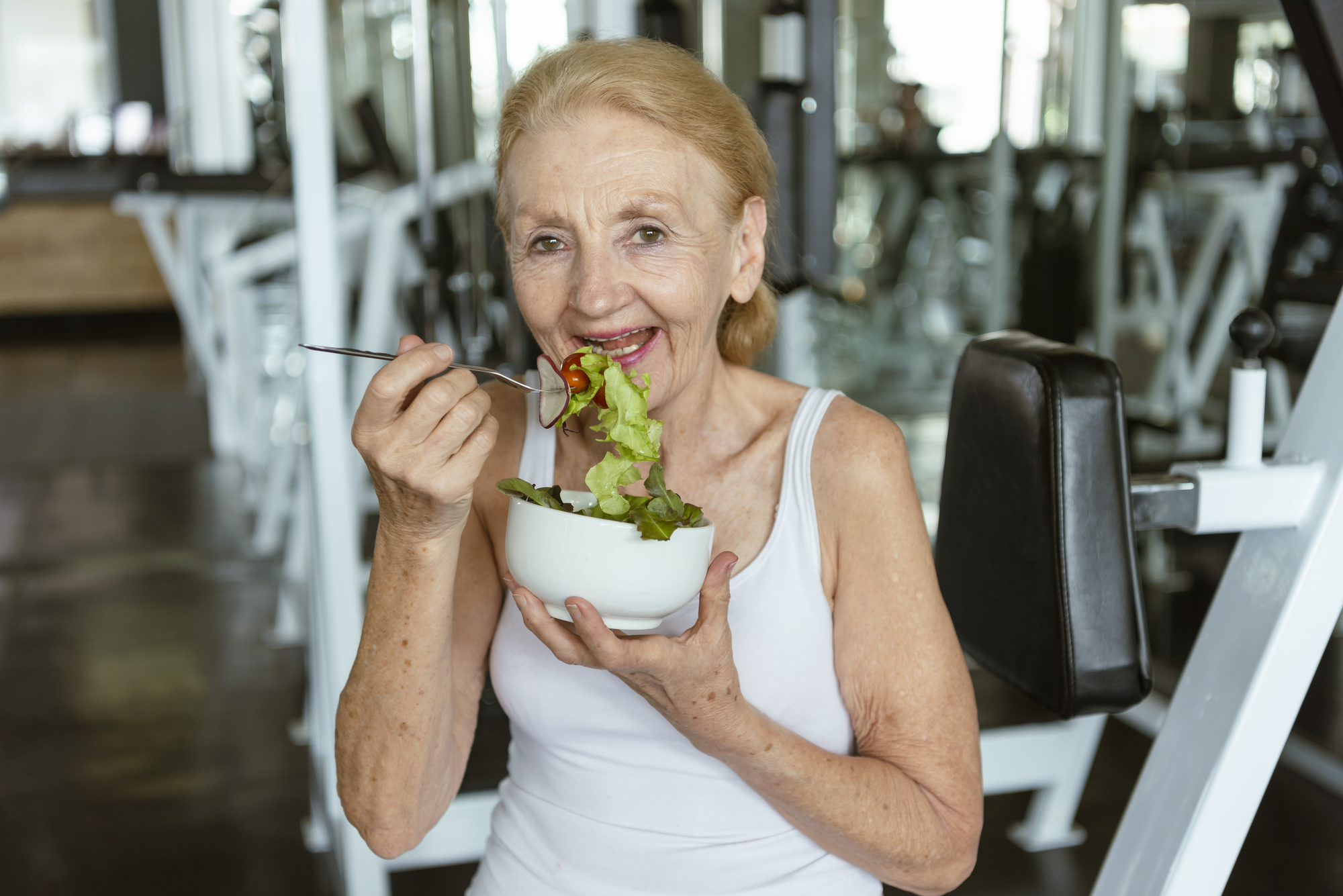
How can we age gracefully? While aging is unavoidable, how we navigate it is in our hands. Embracing healthy aging involves rethinking how we care for our bodies, minds … and spirits.
By incorporating self-care routines in midlife and prioritizing self-care and wellness routines, the journey ahead becomes less about resisting time and more about building resilience as we age. It’s never too late to get started. Even if the best time was decades ago, now is the best time!
Whether you’re 45, 55, or beyond, here are the 5 golden habits I suggest you considering adapting for healthy aging. I’ll include the keys to healthy aging and even unpack what we can learn from aging in the spotlight: Hollywood’s battle with time and resilience.
Are you ready to thrive through your next chapter?
Dr. Gala’s Quick Take
Yes. Healthy aging for women in midlife includes staying active, eating nutritious food, sleeping well, managing stress, and keeping strong social connections.
Habit 1 – Move with Purpose: Physical Activity for Healthy Aging

The foundation of healthy aging begins with movement. Exercise is your lifelong ally; it does more than help with weight; it boosts mood, sharpens your mind, and puts the odds in your favor that will keep your independence intact.
Research shows that exercise helps prevent diseases that raise the risk of dementia.
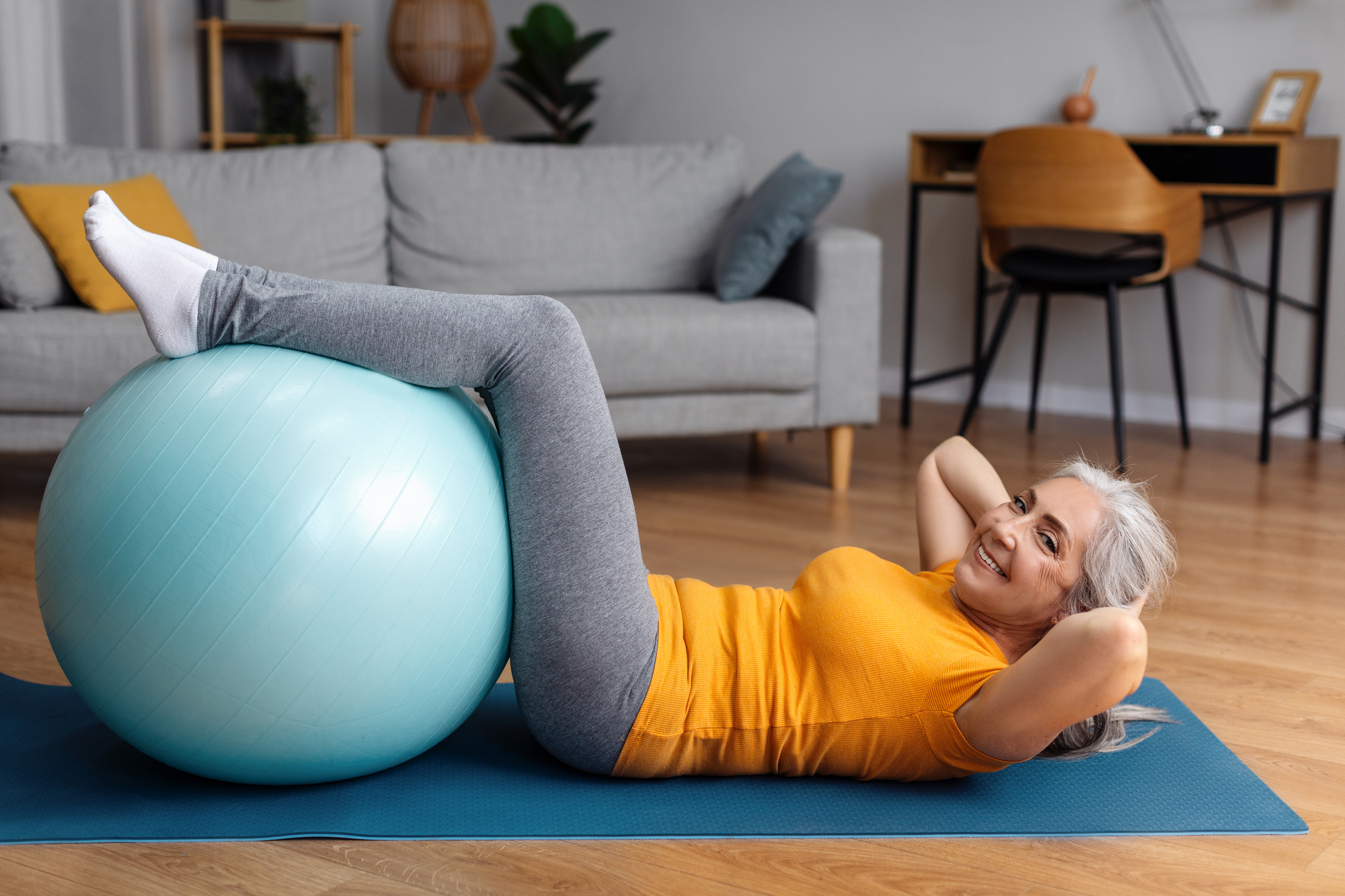
Plan for 30 minutes of moderate aerobic activity most days (think brisk walking, cycling, dancing, or even swimming). Add in strength training twice a week plans, squats, resistance bands, or light weights can keep bones strong and muscles toned.
Gentle, restorative movement like yoga or tai chi enhances balance and flexibility, which are key to avoiding falls. Exercise is vital for people at risk of cardiovascular diseases and other chronic conditions like lung, pulmonary, respiratory, and intestinal diseases.
Start where you are. What matters is consistency.
As the National Institute on Aging says, staying active helps protect your heart, brain, and bones and lets you keep doing the things you enjoy. And if you’re dealing with chronic pain or injury? Don’t let that stop you.
Healthy aging physical therapy can restore movement, reduce pain, and keep you mobile. Physical therapist are trained to help you identify activities that specifically addressed your limitations. It’s not about pushing through pain but healing through movement.
Staying active also helps lower the chances of getting infections, including seasonal flu, especially for people with heart disease and other medical conditions.
We even see this emphasized for those aging in the spotlight: Hollywood’s battle with time and resilience. Many actors maintain physical routines well into their later years.
Habit 2 – Nourish Your Body: Nutrition and Dietary Habits that Fuel You

Food is more than fuel; it’s medicine. As you age, what you eat becomes even more crucial.
A nutrient-dense, colorful plate can help you feel energized, vibrant, and clear-headed. Studies show that maintaining a healthy lifestyle can significantly lower the risk of late-onset dementia, chronic conditions, and other types of cognitive problems or dementia.
Foundational public health initiatives were established in the late 1980s.
Here’s what made sense then … and makes sense now. Your diet should focus on:
Whole foods like leafy greens, berries, wild-caught fish, legumes, and whole grains.
Anti-inflammatory fats like olive oil, avocados, and flaxseeds.
Don’t forget hydration; your body craves water to flush toxins and support digestion. Portion sizes also matter more in midlife when metabolism slows.
Your sense of taste and smell might shift, so try spicing things up. Harvard’s research shows that eating well, staying active, and avoiding smoking can add months … even years … to your life.
And my personal addition – limit or avoid completely the “Fierce 5”: dairy, gluten, yeast, sugar, and alcohol.
Scientific studies show that eating healthy is very important for your brain and body as you age. Eating a balanced diet can decrease the risk of dementia and help avert other common health concerns in older adults.
Researchers based the findings on blood samples, blood sugar levels, and other factors. The research included a diverse group of participants. So these suggestions are universally effective!
Habit 3 – Connect and Engage: Social and Mental Wellness

No woman is meant to do midlife alone. One key to healthy aging is nurturing relationships and staying mentally engaged.
Loneliness, isolation, and lack of stimulation can creep in, but they don’t have to. You can make connecting with other humans a problem.
Staying mentally active and socially engaged helps lower the risk of dementia, especially among elderly persons and those with chronic lung disease or other devastating conditions.
As an oriental medicine practitioner, I know that lungs are particularly sensitive to grief. If you have experienced a traumatic event, get some professional help working on it. Your life could depend on it.
The Neuro-Epidemiology Core found that social activity can impact how likely you are to get certain types of dementia.
Here’s how to stay connected and sharp:
Make time for friendships, family, and honest conversation.
Join a group or community, book clubs, art classes, hiking groups, or whatever lights you up. Learn something new. Puzzles, podcasts, online courses, or creative hobbies like painting or gardening help keep the brain buzzing.
New research shows that women who stay socially engaged and mentally active have lower rates of dementia and chronic disease. Digital tools like Zoom or online workshops can make it easy to connect when being there in person isn’t possible.
Additional studies show that community engagement can reduce the risk of illness among people with compromised immune systems. Public health groups, like the Risk in Communities project, tracked events like these and documented thousands of hospitalizations, including 105,000 influenza-associated hospitalizations and an estimated 105,000 flu-related hospitalizations per year in coming to their conclusion.
Friends come with benefits!
Habit 4 – Dig Deeper: Address the Root Causes of Aging

Midlife symptoms like fatigue, weight gain, brain fog, and chronic pain are not just signs of aging. They are signals from your body.
Functional medicine is centered on discovering the underlying factors contributing to health issues, which may be related to chronic conditions rather than merely treating the symptoms.
Look at the whole picture:
- Gut health, hormone imbalances, nutrient deficiencies
- Environmental toxins, chronic stress, poor sleep
Mitochondrial decline is the tiny engine that powers your cells.
You can support your body’s healing with natural, time-tested herbs.
- Rhodiola rosea boosts energy and protects brain health.
- Ashwagandha supports adrenal function and eases anxiety.
- Ginseng and Curcumin enhance mitochondrial function and reduce inflammation.
It is not a one-size-fits-all process. It’s about personalizing your path to wellness. As the functional medicine community says, “Treat the person, not the symptom.”
If you’ve been told, “This is just what happens at your age,” it’s time for a fresh perspective.
Habit 5 – Shift the Script: Simple Lifestyle Adjustments for Long-Term Vitality
To expand on that lifestyle adjustments. 5 golden habits for healthy aging that:
Mindset Reset: Start each day with intention. Morning meditation, gratitude journaling, or even just a few quiet minutes before the world comes for you, make a difference.
Order in Your Life: Create routines that ground you, like sleep, advance meal preparation, and tech-free evenings. Chaos is exhausting. Structure is freedom.
Limit Lifestyle Toxins: Switch to non-toxic cleaning products, filter water, and avoid BPA plastics. Your body deserves a break from daily overload.
Reboot Regularly: Rest doesn’t mean quitting. It means pausing. Get enough sleep. Take time off. Reassess your goals and realign.
Move Daily: Yes, it’s worth repeating. Move, whether dancing in your kitchen or a slow walk after dinner.
This is where the MOLT Method comes in with Mindset, Order, Lifestyle, and Toxins. These habits address all areas of your life. They aren’t trendy. They’re timeless.
Many of these lifestyle changes are reflected for those aging in the spotlight: Hollywood’s battle with time and resilience. Celebrities frequently lead the way in emphasizing the importance of wellness routines and daily self-care habits. Their paycheck depends on it.
Final Thoughts: You Get to Choose How You Age
Aging doesn’t mean fading. It means blooming in new ways.
Choosing yourself repeatedly with the habits, tools, and mindset that serve your health and happiness is up to you. By embracing self-care routines as you embrace midlife, moving with intention, connecting with others, nourishing your body, and digging into your root causes, you’re not just aging well.
You’re aging powerfully. You won’t find the path to in a bottle or at a clinic. You find it in your self-care and wellness routines, daily choices, relationships, habits, and mindset.
Look at aging in the spotlight: Hollywood’s battle with time and resilience. While the pressures differ, the solutions often return to these foundational habits.
Whether or not you’re in the public eye, your next chapter is yours to shape. With intention, compassion, and clarity, you redefine what aging looks and feels like for yourself and you have the opportunity to model it for those around you.
“If you came into my office, I’d ask you a lot of questions that would help us connect the dots … so that together we can deal with your toxic stress.
Every situation is unique and you need a plan that works for you. Not a one-size-fits-all solution.
If you’re thinking you can’t come into my office, don’t worry. I’ve created a program with all of my initial recommendations to help you unravel the mystery. You can use it at home and at your convenience.
So if you’re thinking that managing chronic stress just isn’t possible … or even the answer … for you, I want to show you what you may be missing.
And how you can identify the toxic stressors that are creating your symptoms with my Human Energy System Reboot. You can get started HERE.” – Dr. Gala