Some days, the shift is clear when waking up feels less steady. Other days, it’s in the afternoon slump, even when meals seemed balanced. For many women over 50, protein questions feel small until the effects show up in how the body feels, moves, and recovers.
Needs change in this stage of life. Hormonal shifts affect muscle strength, bone density, and how energy is stored. Too little protein can leave you tired and achy. Too much can create its own challenges.
A balanced diet helps maintain muscle strength, steady energy, and resilience through midlife. That’s why approaching this nutrient with both awareness and smart strategies is key.
Ask Dr. Gala: Your Wellness Wisdom Starts Here
Is there a right amount of protein once you are past 50?
Yes, and both directions of getting it wrong cost you something. About half a gram per pound of body weight is the working target, so a 140 pound woman needs roughly 70 grams a day. Your body can only use around 30 grams in a two to three hour window, which is why one enormous dinner wastes most of it and three moderate servings do not. The popular one gram per pound rule sets protein for women over 50 well above what the body can put to work, and the surplus taxes your kidneys and crowds out the plants you need.
Why Protein Matters for Women Over 50

Muscle preservation becomes a high priority in midlife because sarcopenia, the loss of muscle mass, can worsen quickly without good nutrition and strength training. During menopause, lower estrogen affects bone density, metabolism, and muscle mass. For women over 50, protein is about more than building strength: it helps maintain hormone balance and steady energy, especially when you are experiencing the stress of change during this transition. Protein for women over 50 also fuels repair and recovery through overall nutrition, and essential vitamins support this process for long-term health.
The best protein intake during stress of change in midlife can:
- Maintain lean muscle mass
- Support metabolic function
- Reduce inflammation when it comes from clean, whole foods
- Keep your energy steady throughout the day
Protein Requirements During Menopause
Menopause changes the way your body uses and stores protein. Hormonal shifts increase the risk of muscle loss, known as sarcopenia, and slow down metabolism. To slow sarcopenia, get enough protein and do resistance exercise. This nutrient helps maintain mobility and may help manage midlife weight gain.
Protein requirements go up in menopause, and your body needs this support to keep lean tissue. Understanding the requirements during menopause helps prevent both deficiency and overconsumption during the stress of change.
A realistic daily target for most women for every pound of their ideal body weight is 0.5 grams of protein. An ideal weight of 140 pounds is about 70 grams daily. This moderate target is higher than the general recommended dietary allowance to meet the unique needs of women in midlife.
Along with supporting blood sugar balance, this helps maintain muscle. It also delivers essential amino acids for repair and recovery, and it provides important vitamins and curbs hunger without straining digestion or the kidneys.
Even simple foods like rice can help when paired with quality protein sources. Together, they make balanced meals that support long-term health. Over time, this steady approach often produces results that are easier to maintain than dramatic shifts in eating habits. For some, pairing nutrient planning with a routine for stress management makes it easier to sustain healthy habits and keep energy steady throughout the day.
Your body can process only about 30 grams in two to three hours. Eating far beyond this amount in one sitting will not build more muscle. Instead, the excess is stored like any other surplus calories. This surplus is true for all humans, though the effect can feel more pronounced during midlife when recovery is slower.
Best Protein for Women Over 50
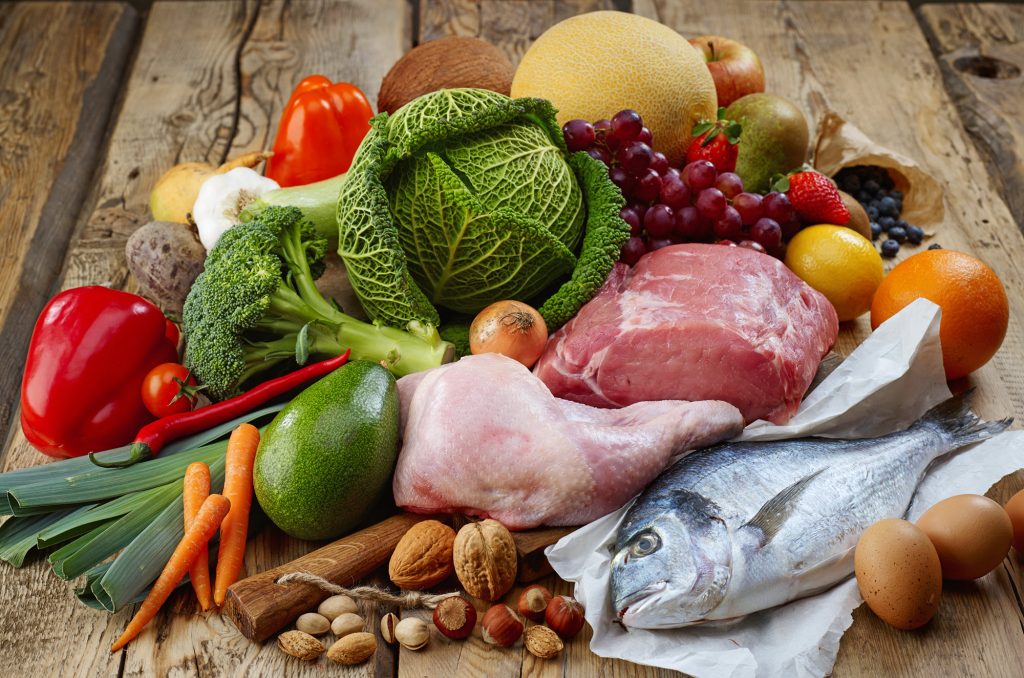
Quality matters as much as quantity when considering the best protein nutrient for women over 50. Whole food sources supply essential amino acids and nutrients for overall health. This includes vitamins that support the immune system and help repair cells. Together, these nutrients work to slow sarcopenia and maintain muscle over the years.
For humans, maintaining muscle mass matters for far more than aesthetics. It protects mobility, independence, and overall well-being. The best sources for women should include a balance of animal and plant sources. This balance supports nutrient diversity and digestion.
Examples of lean animal proteins:
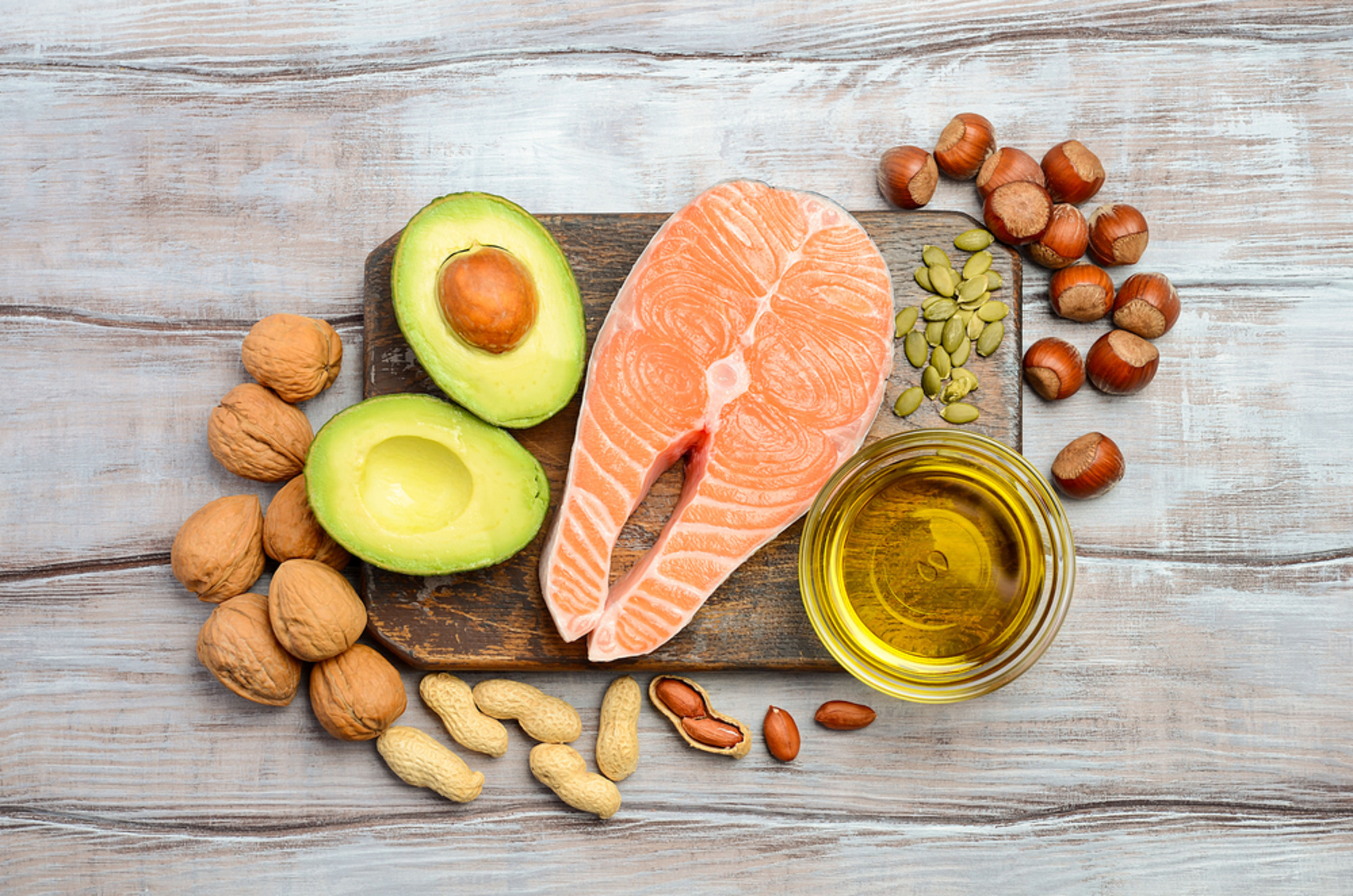
- Organic chicken or turkey breast, with about 31 grams of protein in 4 ounces
- Wild-caught fish like cod, salmon, or sardines, with about 30 grams in 5 ounces of salmon
- Grass-fed beef in moderation, which provides iron and other minerals
Examples of plant-based proteins:
- Lentils, chickpeas, and black beans, which also supply fiber and minerals
- Almonds, chia seeds, walnuts, pumpkin seeds, and hemp seeds, which offer healthy fats and magnesium
Best to avoid or limit:
- Protein powders that are heavily processed
- Dairy as a primary protein source, since many in midlife find it harder to digest
- Packaged “high-protein” snacks with added sugars or artificial ingredients
Signs of Protein Overconsumption
Adequate intake of this nutrient for women over 50 is essential, but excess intake can cause discomfort and health challenges. If you notice signs of too much protein early, you can make changes before the problems grow. Excess protein can throw off amino acid balance, affecting how your body manages energy and repairs tissue. Too much can also contribute to midlife weight gain issues. Recognizing these signs helps you adjust your diet to fit your lifestyle and activity level. For some, these adjustments are part of how they treat menopause fatigue naturally, combining smart nutrition with lifestyle changes for better energy and recovery.
Possible signs include:
- Problems with digestion like bloating, constipation, or diarrhea
- Dehydration, when the kidneys work harder to filter protein byproducts
- Bad breath linked to ketosis from very low-carb, high-protein diets
- Weight gain from surplus protein converting into glucose and then fat
- Brain fog or mood changes caused by elevated ammonia and urea levels
Long-term protein overdose from animal sources high in saturated fat can lead to higher cholesterol and put stress on the heart. Many human adults report that these effects become more noticeable as their metabolism changes. The effects are truer when combined with the stress of change that often comes during this life stage. Over time, this can also worsen menopause fatigue if diet, sleep, and activity aren’t balanced.
Protein Overdose: Why Moderation Matters

Overconsumption occurs when your protein intake consistently exceeds what your body can use or store healthily. The risks are more pronounced in midlife because digestion and kidney function may already be more sensitive.
Too much protein intake can:
- Strain your kidneys
- Reduce intake of other essential nutrients like healthy carbohydrates and plant phytonutrients
- Increase fat storage, particularly if your physical activity levels are low
The popular “one gram of protein intake per pound of body weight” guideline is often excessive for women in this stage. For most, it is well above what the body can process efficiently. Avoiding taking too much of it keeps the body functioning smoothly without unnecessary strain throughout the stress of change during midlife.
Building a Balanced Protein Plan
A balanced intake supports your long-term health without creating unnecessary strain.
- Aim for around 30 grams per meal of protein intake to meet your needs without excess.
- Include animal and plant-based proteins for a wide range of nutrients, including fiber to support digestion.
- Choose whole foods rather than processed powders and bars.
- Adjust intake for your activity level, especially when engaging in regular resistance training.
- Pay attention to your body’s feedback and modify sources or amounts as needed.
Example of a Balanced Midlife Diet
Meal 1 (Late Morning)
- 4 ounces organic turkey breast (31g)
- Steamed vegetables with olive oil
- A handful of pumpkin seeds (3g)
Meal 2 (Early Evening)
- 5 ounces wild-caught salmon (30g)
- Roasted sweet potato
- Salad with flax seeds (3g)
This plan totals about 67 grams of protein intake to support your daily needs. Protein for women over 50 helps maintain muscle health and supports hormone balance and metabolism. It also helps you avoid the potential risks of protein overdose. Adjusting meals based on personal experience ensures protein supports overall health for women. In some cases, pairing your eating plan with fasting for health and wellness can complement protein intake strategies, though it should be done mindfully.
One Balanced Choice at a Time
An effective approach in midlife is about consistency and quality. Learn what nutrients you need during menopause, choose the best sources, and watch for signs of overconsumption. This helps you keep your energy, muscle strength, and overall health without strain. This approach also reduces the likelihood of sarcopenia advancing, which is a key concern for many women over 50. Listening to your body lets you adjust to the stress of change and get results that match your needs and lifestyle.
Protein is more than a nutrient. It tells your body to repair, strengthen, and sustain itself. Protein works best when part of a balanced nutrition plan with a variety of whole foods. Every choice you make at the table is a chance to give your body what it needs to stay strong in this stage of life and beyond.
“If you came into my office, I’d ask you a lot of questions that would help us connect the dots … so that together we can deal with your toxic stress.
Every situation is unique and you need a plan that works for you. Not a one-size-fits-all solution.
If you’re thinking you can’t come into my office, don’t worry. I’ve created a program with all of my initial recommendations to help you unravel the mystery. You can use it at home and at your convenience.
So if you’re thinking that managing chronic stress just isn’t possible … or even the answer … for you, I want to show you what you may be missing.
And how you can identify the toxic stressors that are creating your symptoms with my Human Energy System Reboot. You can get started HERE.” – Dr. Gala