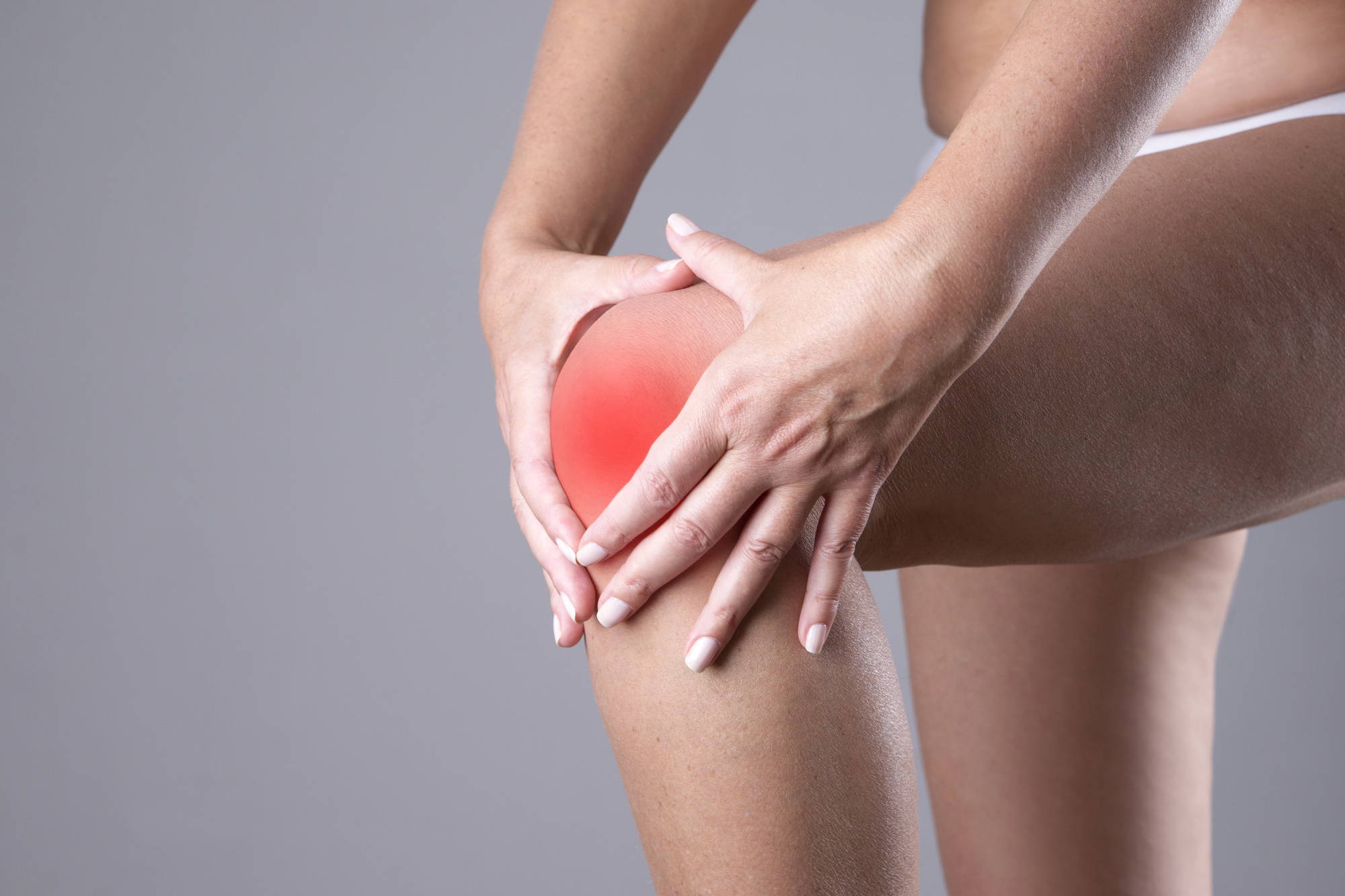
Osteoporosis and osteopenia weaken bones and make them much easier to break. These health concerns are more common in women. After menopause, the body’s hormone levels change, which further increases the risk for women.
How is osteopenia best described? Think of it as a gentle wake-up call from your bones. It’s that in-between stage … your bones are starting to thin, but it hasn’t progressed to full-blown osteoporosis just yet. After menopause, our bodies need extra love in the form of minerals to stay strong.
Simple lifestyle shifts can really make a difference. So let’s take a closer look at what puts us at risk, the subtle signs to watch for, and some natural ways to keep our bones strong and steady.
Ask Dr. Gala: Your Wellness Wisdom Starts Here
Does losing estrogen at menopause put you on a direct path to osteoporosis?
Yes, and the years right after your ovaries wind down matter more than any decade before them. Estrogen keeps bone remodeling in balance, so when it falls the skeleton loses density faster than it rebuilds it. The loss is silent until something breaks, which is the whole problem. Smoking makes calcium harder to absorb and heavy drinking weakens the structure further, so both sit near the top of every risk list. The work that holds is unglamorous: calcium and vitamin D, protein at every meal, weight-bearing movement, and a bone density scan so you are tracking a number rather than guessing at one.
Osteoporosis: Risk Factors for Bone Loss in Women
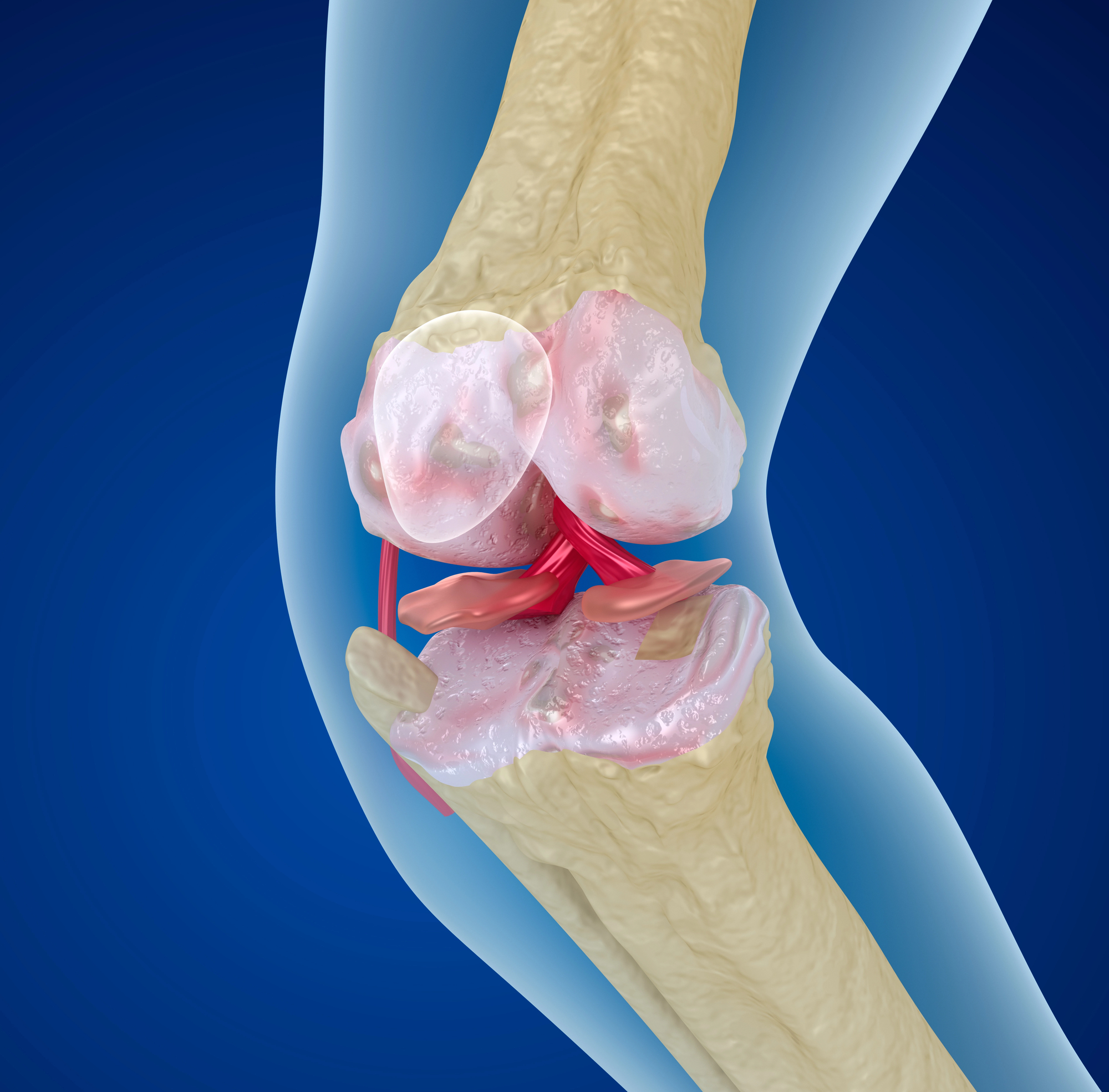
Loss of bone density mainly affects women, especially after menopause. During menopause, the body produces less estrogen.
Estrogen is important for keeping bones strong. Without enough estrogen, the skeleton can become weaker, leading to postmenopausal osteoporosis. This condition makes the bones more fragile and increases the risk of fractures, particularly in the hips, spine, and wrists. Consuming a diet with balanced, nutrient-rich foods can help prevent fractures as women age.
Quit Smoking
When you smoke, it becomes harder for your body to absorb calcium, which is important for strong bones. Smokers have a higher risk of fractures, especially associated with postmenopausal osteoporosis. Quitting smoking can help your body recover over time. This recovery can reduce the risk of developing bone conditions and other smoking-related health issues.
Limit Alcohol Intake
Drinking too much alcohol can weaken your skeletal structure and is linked to osteoporosis and osteopenia. It interferes with how your body rebuilds tissue and stops calcium from absorbing properly. It also affects the hormones that control skeletal strength. For people at risk, like those with postmenopausal osteoporosis, it’s important to limit alcohol. This lifestyle habit helps support better skeletal health and overall well-being.
Menopause and Bone Health
Menopause marks a time of significant physical changes for women, and one of the most critical is the acceleration of the loss of bone density. This is due to the drop in estrogen, which helps regulate cellular turnover.
When estrogen levels go down, the body changes. Special cells called osteoclasts start to break down bone faster. This makes them weak and thin. Postmenopausal women are more likely to be at risk because of this, which can also lead to other health problems. It’s important to monitor and catch early signs of osteoporosis.
One of the key questions many women ask is: How is osteopenia best described? Osteopenia happens when your bones are weaker than they should be but not as bad as osteoporosis. It is an early warning sign that they could break more easily. If you catch it early, you can take steps to stop it from getting worse.
Exercise and healthy habits can make them stronger. A physical therapist can help you choose safe and helpful osteopenia exercises.
Genetics and Body Structure
Genetics can affect your chances of getting bone disease. If your family members have had osteoporosis, you might have a higher risk, too. This is especially true for postmenopausal women.
Some ethnic groups are at greater risk. White and Asian women have higher chances compared to other groups. Some medical conditions, like rheumatoid arthritis, can make your bones weaker. This raises the risk of bone problems.
A history of osteoporosis in close relatives should be a motivating wake-up call to create a personalized prevention plan. Your body frame plays a role. Women with smaller bodies or lower weight often have less bone mass, which can make them more likely to break a bone.
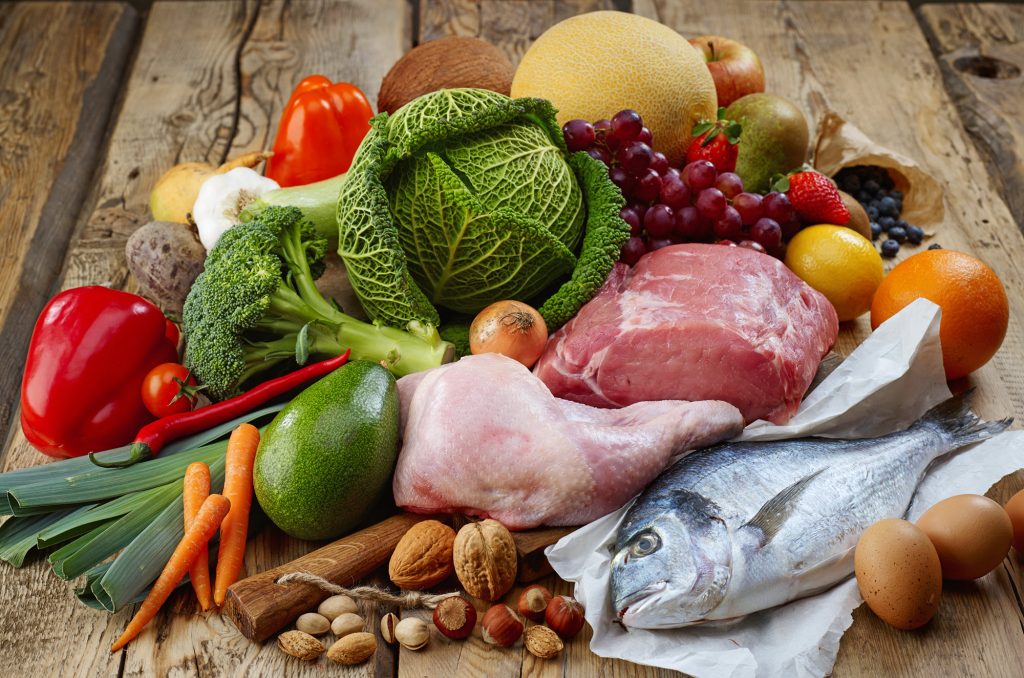
A balanced diet that includes leafy greens, dairy, and calcium-fortified foods supports your bones as you age. A nutritious diet helps your body stay in top shape … strong, and energized.
Lifestyle Factors
How you live can either drive or slow the loss of density. A sedentary lifestyle can make bones weaker. Without regular movement, your bones don’t experience the physical pressure and resistance they need to maintain strength. Regular exercise, particularly weight-bearing and resistance training, is vital for bone health.
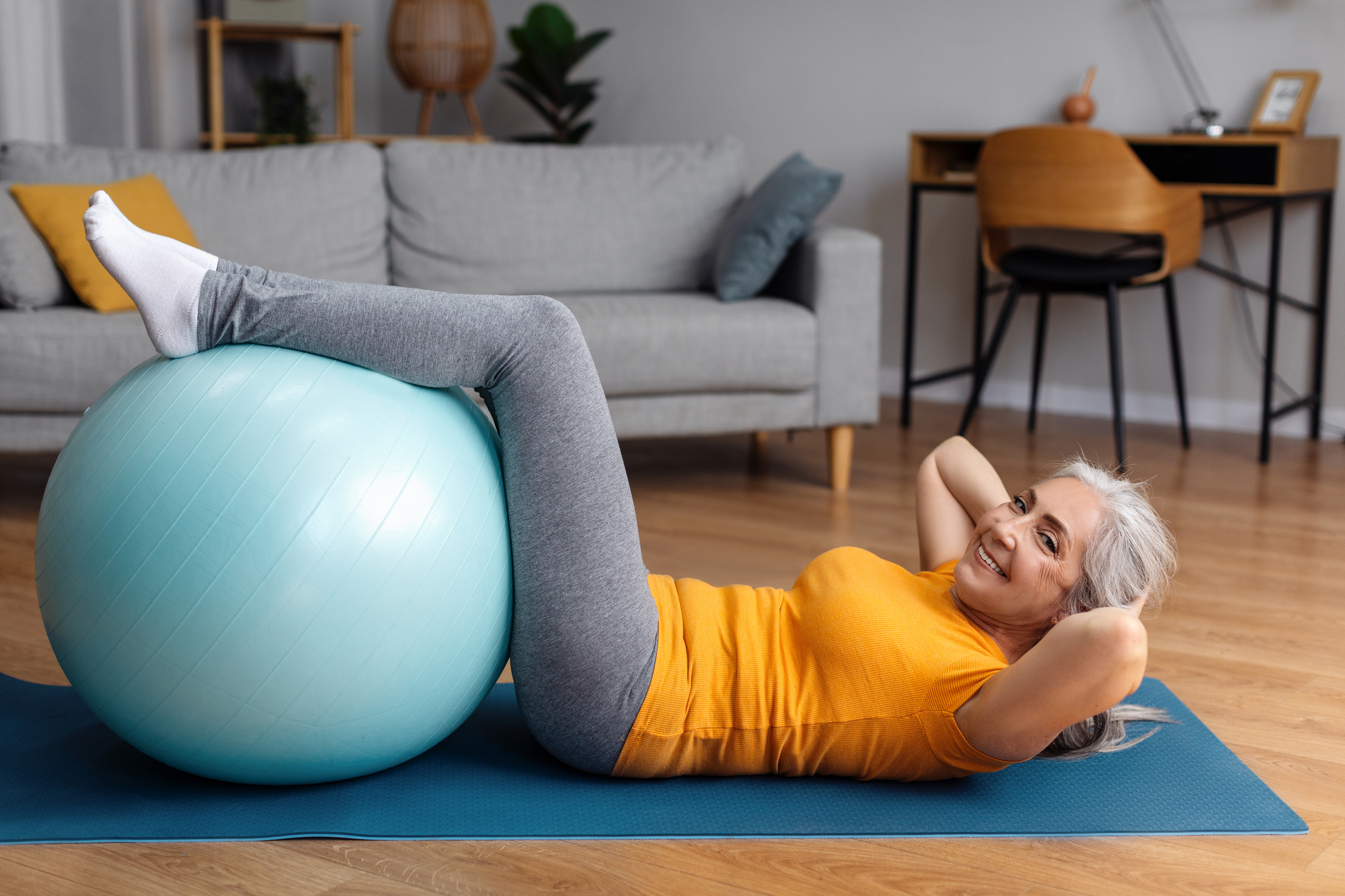
A 2023 PubMed Central (PMC) study showed that staying active can help prevent osteoporosis. The study also found that treatments like bisphosphonates can help slow down bone loss.
Hormone replacement therapy (HRT) can also help in managing the condition. HRT also helps balance hormone levels and can prevent bone problems, but it should be a last resort. HRT comes with substantial risks.
These treatments can manage and reduce the risk of fractures. Regular movement is important for skeletal health and also lowers the chances of an osteoporotic fracture or a bone fracture. Staying active with osteopenia exercises can protect against hip fractures for women 65 and older.
Understanding the Condition
This condition happens when mass decreases, mainly due to hormonal changes after menopause. The drop in estrogen makes cells that break down bone work faster, making them weaker and more likely to break.
As time passes, the body has a harder time fixing this damage, increasing the risk of problems like fractures. Osteoporosis is often called a silent disease because you may not know you have it until a fracture occurs.
Risk Factors:
- Smoking
- Sedentary lifestyle
- Calcium and vitamin D deficiency
- Genetic predisposition
- Small body frame
- Excessive alcohol intake
- Health conditions like rheumatoid arthritis
These are some of the most important factors that can lead to the development of osteoporosis. Women need to be especially careful during and after menopause.
Management: A Whole-Body Approach
An effective management plan involves both preventive care and active treatment:
- Weight-bearing exercises to stimulate growth
- Boosting vitamin D … supplementing if necessary
- Medications like bisphosphonates or HRT can slow deterioration and reduce fracture risk
Nutrition’s Role in Prevention
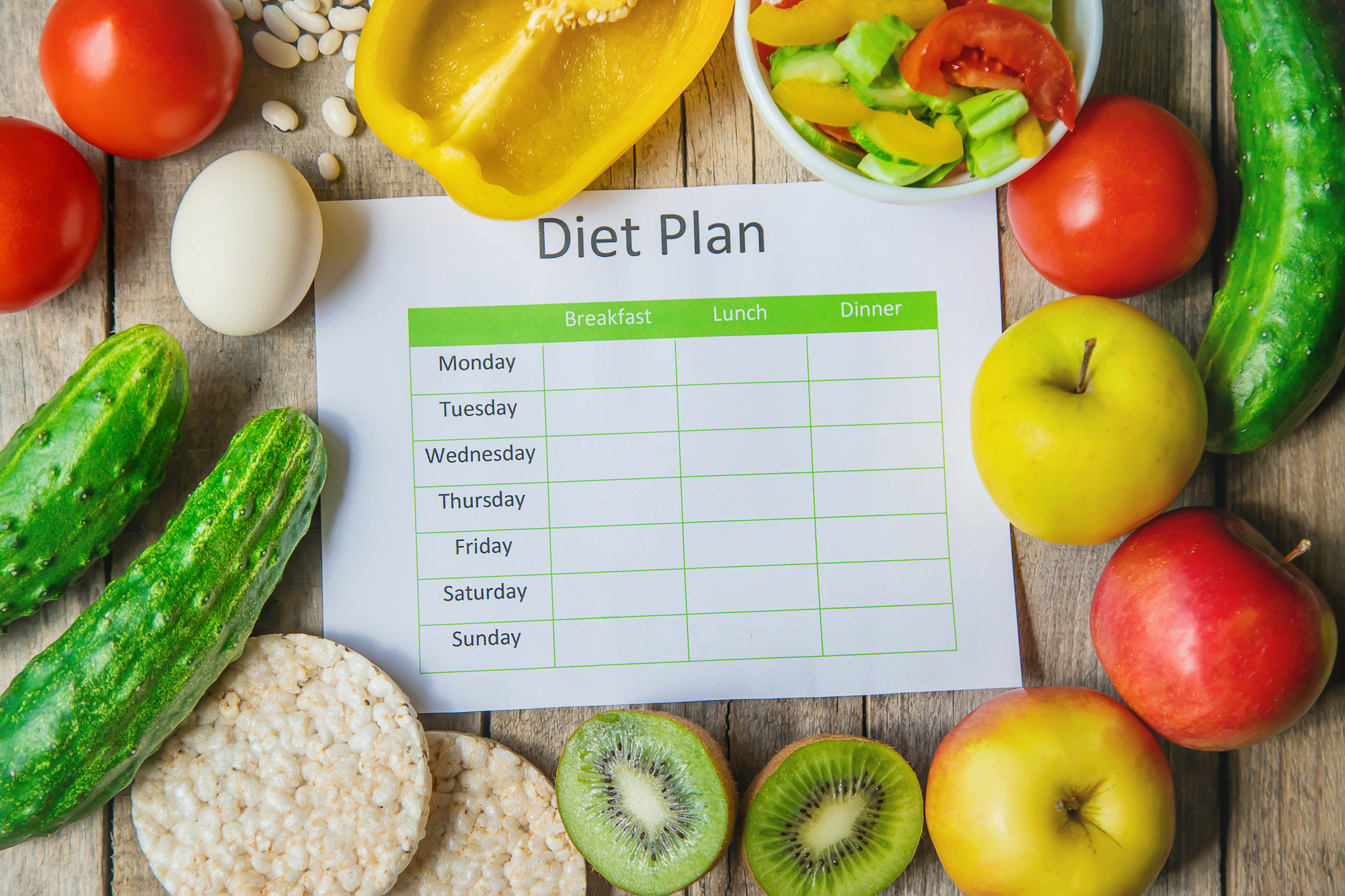
Nutrition is foundational in reducing the risk of osteoporosis, particularly during menopause. A nutrient-rich and healthy diet, along with supplements, if necessary, helps maintain healthy bones and slows their loss.
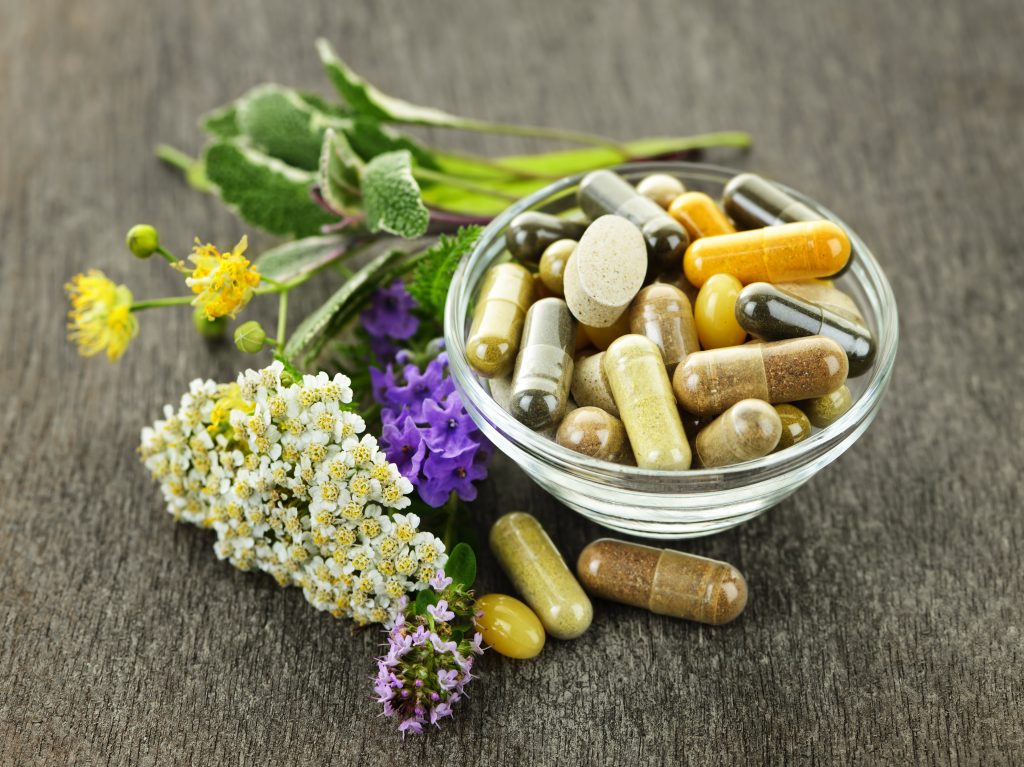
Supplements for Bone Health
- Calcium Intake: Calcium isn’t just for bone mass and dental health but also for muscle contraction and heart rhythm regulation. When your calcium intake is low, your body starts pulling from its bone reserves to keep your heart beating and muscles moving, essentially robbing your bones to maintain balance elsewhere. Over time, this can accelerate bone loss and increase your risk for osteoporosis or osteopenia.
A 2023 article from The Nutrition Source confirms that insufficient calcium is strongly linked to osteoporosis risk, especially for postmenopausal women. The general recommendation is 1,000–1,200 mg of calcium per day, but your needs may be higher if you’re already deficient.
Leafy greens, fortified foods, and calcium supplements (when needed) are powerhouse sources of calcium. Dairy is often recommended, but I find that most women have a sensitivity to it. In fact, dairy is one of the Fierce 5 I recommend you avoid. Pair your calcium intake with adequate vitamin D, preferably from sun exposure, so your body can absorb and use it effectively.
- Vitamin D for Calcium Absorption: Vitamin D is a must-have for strong bones because your body can’t properly absorb calcium, no matter how much you get from your diet. The best source? Morning sun. Just 30 minutes outside each morning boosts your vitamin D levels and gets your daily movement in. A morning walk checks multiple health boxes and can go a long way toward preventing osteopenia.
Dietary staples, including oily fish, eggs, and fortified foods, can also help. And yes, supplements have their place, but ideally, they’re just a short-term bridge. If you’re not getting enough from your diet or sun exposure, consider vitamin D with calcium supplements. At the same time, work on increasing nutrient-dense foods that support your unique needs.
Exercise as an Essential Part of Prevention

Staying active is one of the top ways to maintain mass and reduce fracture risk. Weight-bearing and resistance activities are important for bone health.
- Weight-Bearing Exercises: Activities like walking, hiking, and dancing place healthy stress on bones, encouraging the body to maintain and renew them. A 2023 study from Better Health Channel shows that weight-bearing and resistance exercises can help reduce the risk of losing essential minerals in the body. These activities help strengthen bones, prevent further damage, and also improve muscle tone. They are key to maintain strength and overall health.
- Resistance Training: Resistance exercises, like using dumbbells, bands, or your body weight, help build muscle. Stronger muscles support your skeleton and reduce the risk of injury. Yoga is one of the best ways to use your body weight as resistance. It’s the form of exercise I recommend for most women. Yoga is one of the best ways to use your body weight as resistance. It’s the form of exercise I recommend for most women.
- Balance-Improving Activities: Tai Chi helps improve stability and coordination. This lowers the chances of falls, which can cause vertebral fractures in older women.
Lifestyle Modifications for Prevention

Good nutrition and exercise are crucial for your bones, but other lifestyle adjustments are also beneficial. These changes can lower the risk of osteoporosis and osteopenia. A healthy weight and consistent physical activity are vital, especially for postmenopausal women who experience shifts in their mineral needs.
Maintain a Healthy Weight
Maintaining a healthy weight supports a strong and healthy body. Studies show that people with a low BMI are more susceptible to developing osteoporosis and osteopenia. So it’s important to maintain a weight range where you’re comfortable being active … and moving!
Maintaining a balanced weight is important to keep your system strong. This can be done through good nutrition, exercise, and lifestyle changes. These steps help reduce the risk of fractures and support long-term skeletal health.
Early Detection and Treatment
Osteoporosis is considered silent because it causes no pain or visible signs until the damage is done. Early detection is vital, as you might not realize you have it until a fracture occurs. For postmenopausal women, keeping an eye on mineral density is especially important.
Bone Density Screenings
But how can we detect it if there are no apparent signs? One of the most reliable ways is to monitor your vitamin D levels. If they’re low, osteoporosis could be a risk.
A bone density screening, like a DEXA scan, is the gold standard for further confirmation. However, using these scans wisely is essential, as they involve some radiation. They shouldn’t be used routinely, but may be appropriate if you’re at higher risk or already showing signs of potential bone loss.
Osteopenia is another condition you’ll want to watch for. It’s a stage where mineral density is lower than usual but not yet severe enough to be classified as osteoporosis. This early stage is critical for action. Through lifestyle adjustments, you can actively prevent further thinning of your bones.
Prevention
A proactive lifestyle is key to slowing mineral loss and preserving skeletal health. Even if you’ve already been diagnosed, start with lifestyle changes before turning to medication. Why? Addressing the root causes of bone loss gives your body a chance to heal.
Medication might seem like an easy fix, but it can often mask symptoms, leading to further complications down the line and every medication has unwanted side effects. A reliance on medication can send you down a slippery slope where one problem leads to another.
You can help your body heal naturally, preventing other conditions from escalating. Starting with small, intentional changes will go a long way in protecting your bones and preserving your vitality well into your advanced years.
Final Thoughts
Osteoporosis and osteopenia are serious health concerns, especially for women after menopause. Understanding risk factors using nutrition and exercise as an intervention, and early detection, can make all the difference.
If you have menopause-related health problems or night sweats, it could be a sign of bone changes. Taking care of your bones early can help you stay strong. Healthy habits now can help maintain your health and mobility.
“If you came into my office, I’d ask you a lot of questions that would help us connect the dots … so that together we can deal with your toxic stress.
Every situation is unique and you need a plan that works for you. Not a one-size-fits-all solution.
If you’re thinking you can’t come into my office, don’t worry. I’ve created a program with all of my initial recommendations to help you unravel the mystery. You can use it at home and at your convenience.
So if you’re thinking that managing chronic stress just isn’t possible … or even the answer … for you, I want to show you what you may be missing.
And how you can identify the toxic stressors that are creating your symptoms with my Human Energy System Reboot. You can get started HERE.” – Dr. Gala