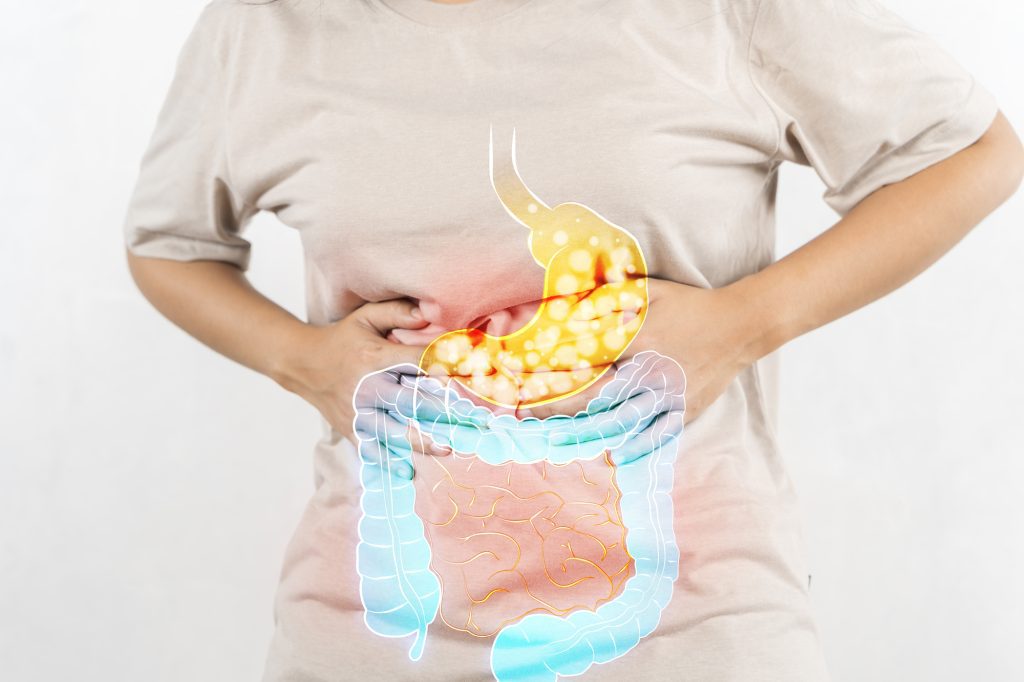
You cut out gluten and tried the probiotics. You even gave up half the foods you used to love because someone online said they were inflammatory. And your gut still feels like it is working against you.
If you are in perimenopause or menopause, this frustration runs deeper. The bloating shows up no matter what you eat. The fatigue is constant. Food sensitivities keep multiplying. You are doing everything you have been told to do, and nothing is getting better.
Here is the part that might surprise you: gut regeneration is already happening inside your body right now. Your intestinal lining replaces itself every single week. The problem is not that your body cannot heal. The problem is that the conditions inside your body are not allowing that healing to finish. And the plans you have been following may be making that worse.
Ask Dr. Gala: Your Wellness Wisdom Starts Here
Yes, gut regeneration is already happening in your body, with the intestinal lining replacing itself every three to seven days. During perimenopause and menopause, stress and hormonal shifts can slow that process. Supporting your nervous system, feeding your microbiome, and getting adequate protein creates the conditions your body needs to rebuild your gut lining naturally.
Gut Regeneration Happens Every Week, So Why Do You Still Feel This Way?
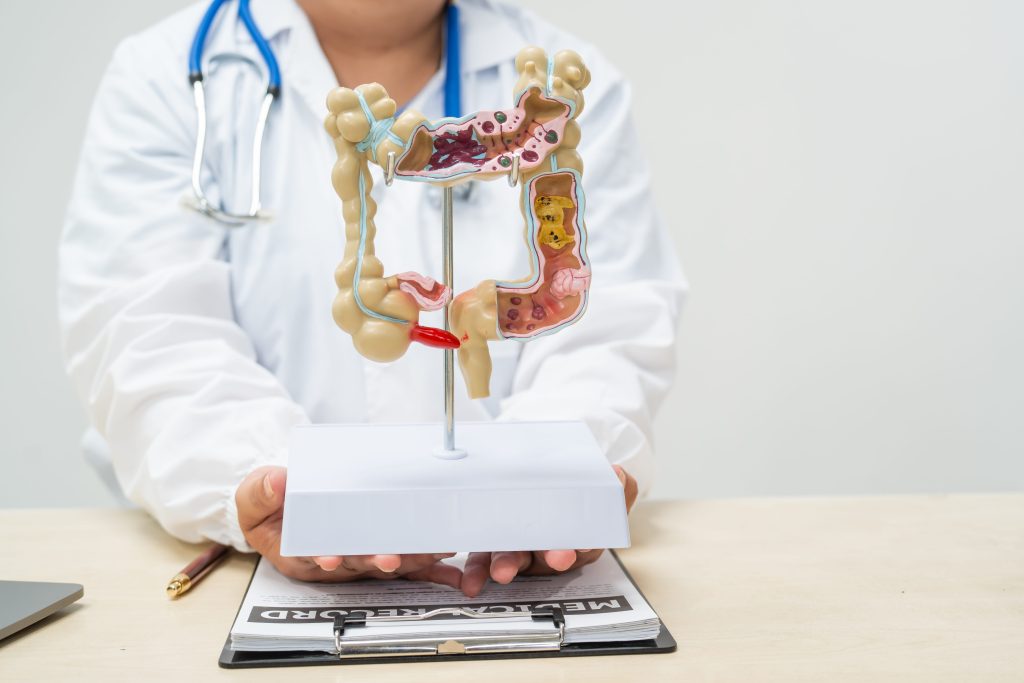
Your intestinal lining completely renews itself every three to seven days. The entire inner surface of your gut, which covers roughly the area of a tennis court, gets replaced more often than most people change their bed sheets. Stem cells stationed at the base of tiny pockets called crypts in your intestinal wall produce about 300 new cells per crypt every single day. Old cells shed. New cells take their place. This cycle runs constantly.
So if your body is already rebuilding its gut lining on a weekly basis, why does it still feel like your digestion is getting worse?
Because gut regeneration is not automatic. It depends on signals from your microbiome, your hormones, your stress levels, and the amount of inflammation in your system. When those signals are disrupted, the renewal process slows down or stalls completely. Recent research confirms that when damaged, aging cells accumulate in the gut lining, blocking healthy regeneration. Clearing those cells allowed the intestinal lining to rebuild far more effectively.
Your gut is not stuck. But it may be stuck in an environment that will not let it finish the job.
Gut Health for Women Over 40 Follows Different Rules Now

For years, the standard gut advice has sounded the same. Eat more fiber. Cut out sugar. Take a probiotic. And yes, what you eat matters. But gut health for women over 40 is a fundamentally different situation than it was a decade earlier.
When estrogen fluctuates during perimenopause and menopause, it affects gut motility, mucosal thickness, and the bacterial balance in your microbiome. The signals that tell your intestinal stem cells to keep dividing and renewing get disrupted. This is when leaky gut midlife symptoms become a real concern. Not because something is broken, but because the hormonal environment that once supported digestion has shifted.
Traditional Chinese medicine has understood this for thousands of years. The focus was never only on what you eat. It was always about how your body converts food into usable energy. In this system, the spleen and stomach are considered the center of that conversion, responsible for turning what you consume into the building blocks your body needs.
When that process is compromised by stress, inflammation, or hormonal changes, even the cleanest diet will not build what your body needs. Your digestive health in menopause follows different rules. And the methods that worked in your 30s may now be adding stress to a system that is already overwhelmed.
Leaky Gut in Midlife Starts With Your Nervous System
When your nervous system is locked in fight-or-flight mode, your body pulls resources away from digestion. Blood flow to the gut decreases. Enzyme production drops. The intestinal stem cells responsible for rebuilding your gut lining slow down. Your body is not being lazy. It is being strategic. In survival mode, healing gets deprioritized.
This is why so many gut remedies fall short for women in midlife. They focus on food and supplements while the nervous system keeps running in overdrive. When your body believes it is under threat, it will not invest energy in gut repair, no matter how many fermented vegetables you eat.
Menopause gut health issues are part of a larger pattern of chronic stress and dysregulation that affects your entire system. Leaky gut midlife issues get worse the longer the nervous system stays activated. And until the nervous system shifts out of survival mode, gut regeneration cannot complete its cycle.
Gut Microbiome Regeneration: The Bacteria Rebuilding Your Gut Lining
Your gut bacteria are active participants in the renewal of your intestinal lining. Certain strains produce short-chain fatty acids, compounds like butyrate, that signal your stem cells to divide and create new tissue. They feed the cells lining your gut, regulate inflammation, and support the barrier function that keeps toxins out of your bloodstream.
When the microbiome falls out of balance, those stem cells receive confused signals. Gut microbiome regeneration stalls. The lining becomes porous. Food sensitivities develop. Energy crashes. Weight becomes harder to manage.
Recent findings have shifted the scientific understanding of intestinal stem cells entirely. What researchers previously believed were the primary stem cells turned out to be descendants of the actual stem cells, which respond to different signals. This helps explain why a one-size-fits-all gut program rarely produces lasting results. The body is far more complex and adaptive than any single supplement or diet can account for.
Ways on How to Heal Gut Lining Naturally During Menopause
Understanding how to heal gut lining naturally is not about a strict elimination diet or the perfect probiotic. It is about creating consistent conditions that allow your intestinal stem cells to do their job. Here is what that actually looks like.
Regulate your nervous system first. This is non-negotiable. Your gut cannot heal when your body thinks it is under attack. Before meals, take three slow, deep breaths. Shift out of fight-or-flight and into rest-and-digest. This is not a suggestion. It is the foundation everything else depends on.
Address senescent cells and inflammation. Your gut cannot regenerate when damaged, aging cells are clogging up the environment. Reducing chronic inflammation through stress management, sleep, and removing the specific triggers that keep your system inflamed allows regeneration to resume.

Feed the microbiome that feeds your stem cells. Fiber-rich vegetables, fermented foods, and resistant starches produce the short-chain fatty acids your gut lining depends on for renewal. Gut microbiome regeneration depends on what you feed those bacteria consistently, not occasionally. You are not eating for yourself alone. You are eating for the bacteria that support your regeneration.
Support bile flow and digestion. Your stomach acid and digestive enzymes need to be working properly. When digestion is compromised upstream, partially broken-down food particles irritate the gut lining downstream. Bitter greens, apple cider vinegar, and managing stress all support proper digestion.
Eat adequate protein. Your gut lining is made of cells, and cells need amino acids to rebuild. Glycine, glutamine, and collagen are especially important. Bone broth and collagen supplements can help fill the gap if your protein intake runs low.
Address menopause-specific gut changes. Declining estrogen affects motility, mucosal thickness, and the bacterial balance in your microbiome. Menopause gut health requires strategies that account for these hormonal shifts, not generic approaches. Working with a practitioner who understands the gut-hormone connection can make a real difference.
Prioritize sleep. Your gut does most of its repair work at night. If you are waking multiple times, your gut cannot complete its renewal cycle. Sleep is when your stem cells do their most active work.
Identify and remove your specific triggers. This is not about copying someone else’s elimination diet. Track what leaves you bloated. Notice which situations create digestive distress. Your body is giving you real-time feedback. The question is whether you are paying attention.
Support the gut-liver connection. When the gut lining is compromised, toxins that should be filtered out recirculate back to the liver. Healing the lining and supporting your liver’s detoxification pathways reduces the inflammatory load on both organs.
Move your body gently. Walking, yoga, and swimming support lymphatic drainage and reduce inflammation without adding more stress. Intense exercise can actually increase gut permeability, which is the opposite of what you need right now.
Give it time and consistency. Your gut replaces itself every week, but that does not mean it heals in a week. If you have been dealing with digestive health issues for months or years, expect several weeks or even months of consistent support before the full shift happens. Stay steady.
Your Body Is Not Broken. It Is Overwhelmed.
Feeling like your body has turned on you is one of the most frustrating parts of midlife. You have followed the advice. You have tried the supplements. You have removed the foods. And your gut still will not cooperate.
But your gut is not failing. It is trying to regenerate in an environment that will not support it. When you stop trying to fix your gut with more programs and focus on supporting natural renewal, things improve. Bloating decreases, energy becomes more stable, and foods that once caused discomfort become easier to tolerate.
This does not come from the perfect probiotic or the right elimination diet. Understanding how to heal gut lining naturally means calming the stress, feeding the microbiome, providing the building blocks, and then stepping back so your body can do what it has been trying to do all along. Gut health for women over 40 depends on the environment you create, not the diet you follow.
“If you came into my office, I’d ask you a lot of questions that would help us connect the dots … so that together we can deal with your toxic stress.
Every situation is unique and you need a plan that works for you. Not a one-size-fits-all solution.
If you’re thinking you can’t come into my office, don’t worry. I’ve created a program with all of my initial recommendations to help you unravel the mystery. You can use it at home and at your convenience.
So if you’re thinking that managing chronic stress just isn’t possible … or even the answer … for you, I want to show you what you may be missing.
And how you can identify the toxic stressors that are creating your symptoms with my Human Energy System Reboot. You can get started HERE.” – Dr. Gala