
Are you looking for simple, natural ways to support your wellness during midlife? With so many supplements out there, it’s easy to feel overwhelmed. But one plant-based remedy is getting a lot of attention lately, and for good reason. Women everywhere are turning to this oil for support with everyday concerns that tend to show up around midlife. The right remedies can make a difference in comfort, clarity, or confidence.
Let’s explore this oil, why women are using it, and what signs to look for to see if it’s working for you.
Ask Dr. Gala: Your Wellness Wisdom Starts Here
Can evening primrose oil really do anything for hormone symptoms in midlife?
Yes. The seeds carry gamma-linolenic acid, an omega-6 fat your body cannot make on its own, and it feeds the prostaglandin compounds that regulate inflammation and hormone activity. That is the mechanism, and it is why the effect builds slowly instead of arriving overnight. One 2019 study tracked PMS severity scores falling from 53.2 to 33.6 across three months, and between 61 and 97 percent of women got relief from cyclical breast pain. Typical doses run 2 to 6 grams a day, taken with meals. Cycle off after a few months. Treat it as support while you work on the root cause, not as the root cause itself.
What Is Evening Primrose Oil and How Is It Used?
Evening primrose oil, derived from Oenothera biennis seeds, is a plant-based remedy with many uses. It’s rich in omega-6 essential fatty acids, including linoleic acid and gamma-linolenic acid (GLA). These omega-6 fatty acids are necessary for health because the body cannot produce them independently.
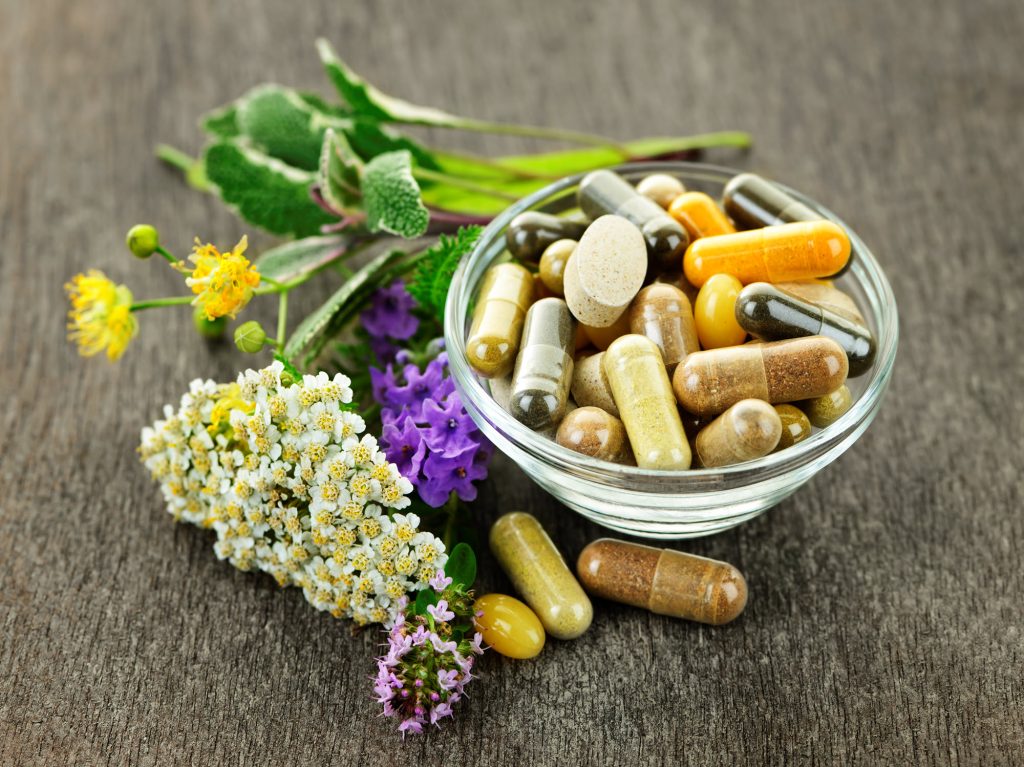
They play a critical role in forming prostaglandin compounds that help regulate inflammation, hormone activity, and even blood pressure. Evening primrose oil (EPO) is usually taken in capsule form and liquid or topical formulations.
Typical daily dosages range from 2 to 6 grams, often taken with meals to support absorption. Although it’s generally considered safe, experts recommend cycling off EPO after a few months of use to avoid potential long-term risks.
Safety Tip: EPO is generally safe when used in recommended amounts, but long-term use may increase risks such as inflammation or medication interactions. Always consult your doctor if you’re taking blood thinners, seizure medications, or planning surgery.
What Can Evening Primrose Oil Do for a Woman?
Evening primrose oil has a long reputation for supporting women’s health, particularly during midlife. Here are some of the main benefits:
Emotional Well-being: Helps regulate hormone-related mood fluctuations, including anxiety and irritability.
Hormonal Balance: Helps ease symptoms of premenstrual syndrome (PMS) and menopause. This is specific to hot flashes, breast tenderness, mood swings, and night sweats.
Skin Health: Supports hydration, smoothness, and elasticity. It may also help with chronic skin issues like acne and eczema.
Anti-inflammatory Support: Evening primrose oil’s GLA content helps reduce inflammation, potentially easing joint and muscle pain.
Cardiovascular Health: Prostaglandins formed from GLA and linoleic acid may support healthy cholesterol and triglyceride levels.
Signs Evening Primrose Oil Is Working

If you’re consistent with your evening primrose oil supplementation, you may start to notice improvements in:
- Skin texture and hydration
- Energy levels
- Sleep Quality
- Frequency and intensity of mood swings
- PMS or menopausal symptoms like breast pain or hot flashes
- Joint comfort and flexibility
These benefits typically appear after three to six weeks of regular use.
Can Evening Primrose Oil Cause Weight Gain?
This is a common concern. However, no strong scientific evidence links evening primrose oil to weight gain. On the contrary, EPO may ease water retention and support a more stable metabolism. It is possible by helping balance hormones and reduce inflammation,
As with any supplement, your body may respond differently. If you notice unexpected changes, it’s a good idea to pause, reassess, and consult a healthcare provider.
Why Essential Fatty Acids Matter

GLA and linoleic acid are essential fatty acids that support key functions in the body. If these fats are missing from your diet, you could notice:
- Dry, itchy skin
- Eczema or rashes
- Brittle nails and hair loss
- Frequent mood swings
- Joint discomfort
- PMS-related bloating or breast pain
EPO is a practical way to correct such deficiencies, particularly in women going through hormonal changes or managing skin and inflammation-related issues.
Evening Primrose Oil Benefits for Skin Health
Women using medications like isotretinoin or managing conditions like eczema often report improvements in skin health when using EPO. Its anti-inflammatory effects can help:
- Soothe irritation and redness
- Rebuild the skin barrier
- Improve hydration and elasticity
- Ease flare-ups of eczema, acne, or psoriasis
Evening primrose oil may offer gentle relief if your skin feels dry or inflamed.
Vitamins That Work Well with Evening Primrose Oil

Evening primrose oil can be even more effective when paired with specific vitamins:
- Vitamin E: Helps stabilize GLA and improves absorption
- B-complex vitamins: Support mood balance and energy
Combining EPO with these nutrients may enhance its ability to support hormone health. It also reduces PMS symptoms and improves skin resilience.
Research Highlights
Recent studies provide encouraging data:
- A 2019 study reported that EPO significantly reduced PMS severity scores from 53.2 to 33.6 after 3 months.
- Between 61% and 97% of women experienced relief from cyclical breast pain.
- Evening primrose oil’s anti-inflammatory compounds may reduce symptoms of atopic dermatitis. Its compounds can also help support heart health by lowering LDL cholesterol.
However, as with any supplement, results vary. Everyone’s body chemistry is different. What works for one woman may not work for another.
How to Use Evening Primrose Oil Safely
Here are a few key guidelines:
- Take 2–6 grams per day, preferably with meals
- Cycle off every 3–6 months for a few weeks
- Avoid use before surgery or if you’re taking anticoagulants or anti-seizure medications
- Common side effects may include mild GI discomfort, nausea, or headache
- Consult your physician before beginning any new supplement
Evening primrose oil is not a miracle cure. Still, it can be a valuable addition to a balanced approach to health and wellness.
Final Thoughts

Many women have felt the strong effects of evening primrose oil on their health, especially during midlife. When dealing with changing hormones due to menopause, evening primrose isn’t just a supplement. It can become a helpful and trusted way to find balance.
This gentle, plant-based oil comes from the seeds of the evening primrose plant (Oenothera biennis). It has been studied for its helpful effects on the body. Evening primrose oil may support hormone balance and improve skin health.
It can also help ease mood changes that often happen during midlife. A key feature of evening primrose oil is its high omega-6 fatty acid content. One important type is called gamma-linolenic acid (GLA). GLA helps the body make prostaglandins.
Prostaglandins are important for controlling inflammation, mood, and the menstrual cycle. When used with intention, evening primrose oil can ease discomforts like PMS, hot flashes, and dry or irritated skin. I often recommend combining evening primrose oil with synergistic nutrients like vitamin E and B-complex vitamins to strengthen its effect.
This whole-body approach supports physical symptoms, emotional well-being, and energy levels. As with any supplement, staying in tune with your body is essential. Consider taking evening primrose in cycles, and always consult with a trusted healthcare provider, especially if you’re taking medications or managing other health concerns.
Whether you’re experiencing hormonal changes, chronic inflammation, or skin sensitivity, evening primrose oil may be a gentle and empowering step toward restoring balance. Your body has the wisdom to heal, and the right tools, like primrose oil, can help guide you.
Key Takeaways
1. Evening primrose oil provides a natural supply of omega-6 fatty acids such as GLA and linoleic acid, both essential for hormone and skin health.
2. Supports the body’s prostaglandin production, which plays a role in reducing inflammation and balancing hormones.
3. Evening primrose may help relieve symptoms of PMS, menopause, eczema, breast tenderness, and mood swings.
4. Look for signs that evening primrose oil is working: improved skin texture, less bloating, more stable moods, and higher energy.
5. Take primrose oil consistently, ideally in capsule form with meals, and rotate off after a few months to reassess your body’s needs.
6. Talk to your doctor before trying any new supplement, especially if you’re taking medications or planning surgery.
“If you came into my office, I’d ask you a lot of questions that would help us connect the dots … so that together we can deal with your toxic stress.
Every situation is unique and you need a plan that works for you. Not a one-size-fits-all solution.
If you’re thinking you can’t come into my office, don’t worry. I’ve created a program with all of my initial recommendations to help you unravel the mystery. You can use it at home and at your convenience.
So if you’re thinking that managing chronic stress just isn’t possible … or even the answer … for you, I want to show you what you may be missing.
And how you can identify the toxic stressors that are creating your symptoms with my Human Energy System Reboot. You can get started HERE.” – Dr. Gala