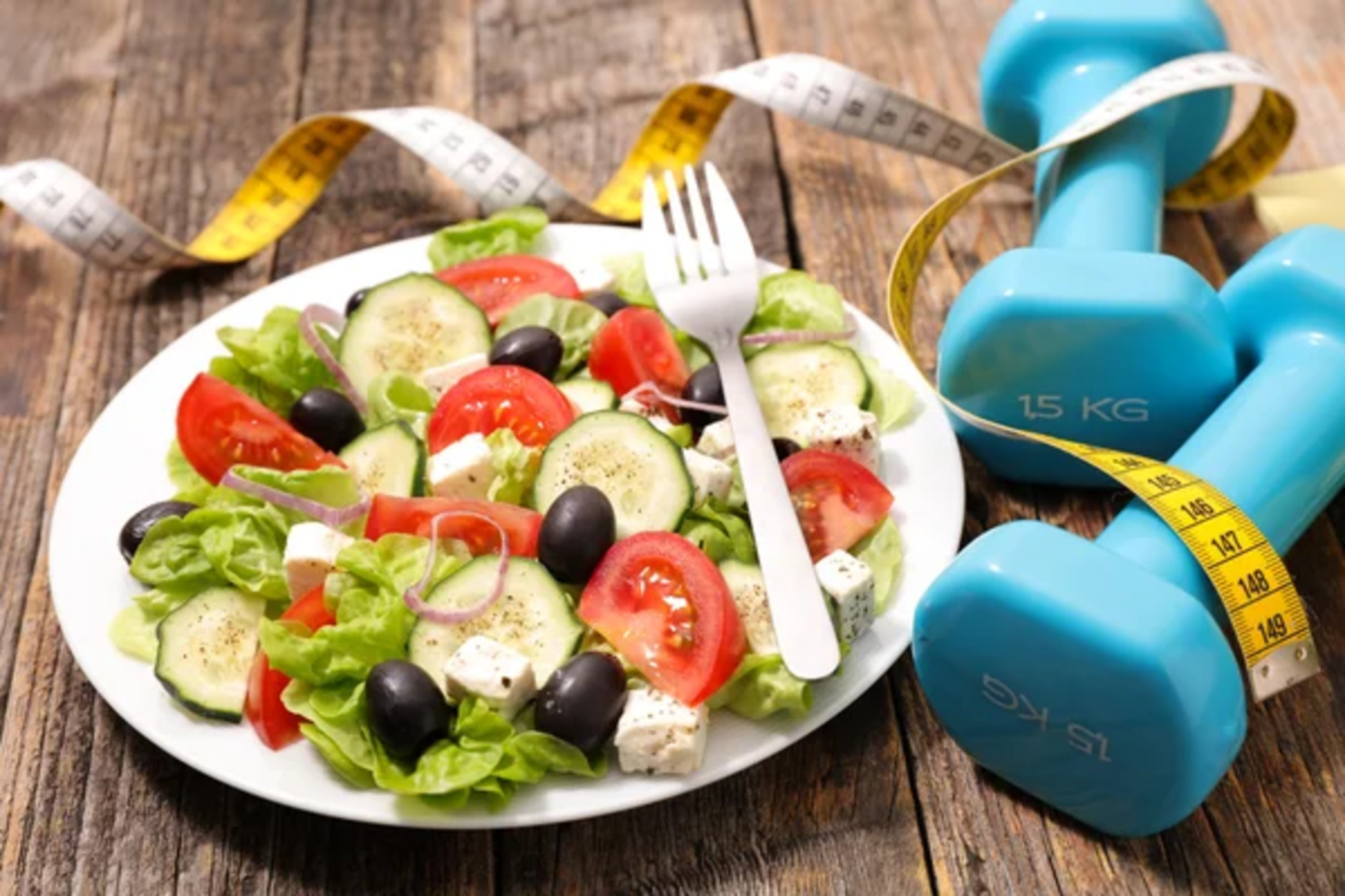
Years ago, I bought a health program from a doctor. It came on CDs, a blast from the past! Her advice? Almost any new food diet will help you lose weight at the start. That’s because food diets force you to change old habits and pay close attention to what you eat.
You throw out processed foods, cut down on sugar-sweetened drinks, fill half your plate with fruits and vegetables, and measure your serving size. At first, it feels like magic. The scale moves, and your clothes fit better.
But then the energy fades. Your old cravings return. Suddenly, that new plan no longer feels natural. Like most women, you probably wonder what went wrong. It’s not your fault. Real, lasting health comes from building healthy eating habits and finding healthy foods to eat every day, rather than trying to follow strict food diets indefinitely.
Ask Dr. Gala: Your Wellness Wisdom Starts Here
Can midlife women stay energized on any of the popular food diets?
Yes, as long as what you eat most days is real. Plants, whole grains, beans and lentils, decent protein at every meal. That is the part doing the work, not the label on the plan. Most plans succeed early for one reason. They make you pay attention, so you drop the sugary drinks, you cook more, and you eat a little less. Then restriction runs out, because restriction always does, and the weight and the flat energy come back together. Build meals you would happily keep eating. What matters is whether you are still doing it in a year.
What Are Food Plans: And Why Do They Work at First?

Food diets are simply different ways of organizing meals to meet your goals. Many people work in the beginning because they draw your attention to your eating habits. You say no to sugary drinks, eat more whole grains like brown rice and oats, and steer clear of added sugars and excess saturated fat. And you probably eat fewer calories for a bit.
But restriction alone doesn’t last. If you return to large servings or consume too many processed foods, the weight comes back, and your energy levels dip. The trick is to discover healthy foods to eat every day and make them a part of your routine, so you don’t feel like you’re on a diet at all.
Plant-Based Diets
Let’s start with what has become a favorite for women in midlife: various types of plant-based diets. These include the Mediterranean Diet, vegetarian and vegan styles, flexitarian plans, anti-inflammatory eating, and even the MIND Diet. The star of all these diets is a diet rich in plant-based foods, including loads of colorful fruits and vegetables, beans, lentils (which are great sources of protein and fiber in the diet), and a variety of whole grains such as brown rice and quinoa. You’ll also see nuts, seeds, and healthy vegetable oils, such as extra-virgin olive oil, making a regular appearance.
Some types of plant-based diets give you the freedom to add in fish, eggs, or low-fat dairy, so your meals stay interesting and nutritious. Women love these food diets not just for the flexibility, but because they help maintain blood pressure, support a healthy heart and brain, and keep weight steady. Eating more plant-based foods can also give you more vitamin D, omega-3 fatty acids, and fiber: three things your body craves as you get older.
If you plan to adopt a vegan or vegetarian diet, be conscious of the vitamins and minerals you require to maintain a healthy diet. Look for food sources or supplements for B12, iron, calcium, and vitamin D.
Low-Carb Diets
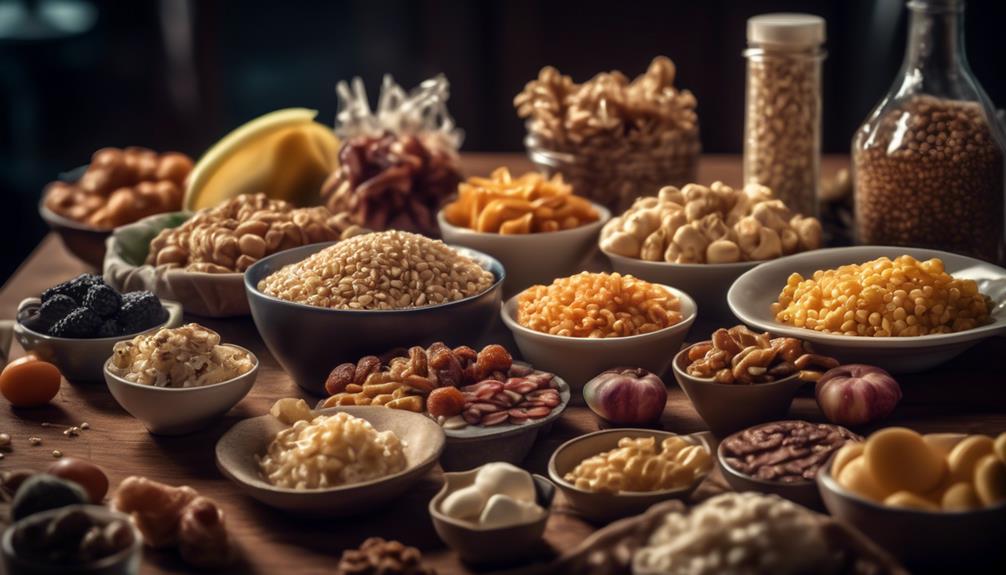
Another diet you’ve seen is the low-carb approach. Keto, paleo, South Beach, and carnivore are all versions of low-carb food diets. These plans encourage you to limit most bread, rice, pasta, and sweets, instead focusing on lean meats, poultry, or fish (rich in omega-3 fats), along with eggs, nuts, tofu, and an abundance of non-starchy vegetables. You’ll drizzle on healthy fats, such as extra-virgin olive oil, or eat avocados to keep meals satisfying.
Why do low-carb plans help so many women in midlife? They can help reduce swings in blood sugar, dull cravings for sugary drinks, and sometimes aid in shedding stubborn belly fat. If you choose to include some carbs, make them count by adding a side of brown rice or quinoa for fiber and nutrients, and steer clear of processed foods.
Low-carb isn’t for everyone. If you’re pregnant, have kidney disease, or have a history of eating disorders, refer to your doctor before starting. Above all, always pay attention to your serving size, even with healthy foods!
Heart-Healthy Food Diets
As we age, heart disease becomes a bigger concern. Heart-healthy food diets, such as the DASH Diet, Mediterranean Diet, Weight Watchers, and TLC plan, are not only about protecting your heart but also taste great, too.
The primary focus is:
- Load your plate with vegetables and fruits at each meal,
- Adding whole grains such as brown rice, oats, or whole wheat bread,
- Choosing beans, lentils, and nuts for plant-based protein and dietary fiber,
- Eating lean meat or fish (especially those full of omega-3 fatty acids),
- Including a small amount of low-fat dairy for strong bones and vitamin D,
- And swapping butter or coconut oil for extra virgin olive oil or other vegetable oils.
What these eating styles have in common is simple: you keep saturated fat, added sugars, and added salt low, and you avoid sugar-sweetened drinks and processed foods as much as possible. In exchange, you get more unsaturated fats and the kind of nutritious food that sets you up for a healthier future.
Elimination and Restriction Diets
Sometimes, what you don’t eat can matter just as much as what you do eat, at least for a while. Elimination and restriction of food diets help you identify which foods your body tolerates and which ones cause issues.
Common elimination approaches in midlife include intermittent fasting, gluten-free plans, the BRAT diet, Low-FODMAP, Whole30, and Dr. Gala’s own Fierce 5 plan. In Fierce 5, you avoid dairy, gluten, yeast, sugar, and alcohol for a month, focusing instead on lean meats, beans, gluten-free whole grains like brown rice, lots of non-starchy vegetables, and plant-based foods.
After 30 days, bring back the foods one by one and observe how you feel. It’s a smart way to spot sensitivities. Keep a food journal to record your energy levels, mood, and any symptoms you experience. That way, you quickly learn which healthy foods to eat every day and which are better as occasional treats.
Healthy Foods to Eat Every Day
All the best food diets focus on healthy foods to eat every day, not just for quick results, but for life. What should regularly fill your plate?

- A rainbow of fruits and vegetables (fiber, vitamins, antioxidants)
- Whole grains: think brown rice, quinoa, and oats
- Beans, lentils, nuts, and seeds (more plant-based protein)
- Low-fat dairy or plant-based alternatives (added calcium, vitamin D)
- Lean meat, fish, or tofu for protein and healthy fats
- Canola and extra virgin olive oil are two types of vegetable oils
- Replace sugary drinks with water and unsweetened tea
Limit processed foods, added sugars, saturated fat, and added salt to slash your risk of chronic conditions and metabolic syndrome. Add a meal plan to your week to make shopping and cooking easier.
What’s the Same, And What’s Different About These Food Diets?
No matter which type of food diet you choose, the basics are the same: enjoy mainly minimally processed foods, fill at least half of the portion of your plate with fruits and vegetables, choose whole grains, get quality protein, and prefer healthy fats from unsaturated sources. These simple habits can help avoid heart disease, balance your metabolism, and keep you energetic in midlife and beyond.
But what makes each food diet different? Typically, it’s the way they handle grains and carbs, their guidelines regarding animal versus plant-based foods, and their approach to meal timing. For instance, types of plant-based diets are flexible with grains and carbohydrates, but low-carb diets cut way back.
Heart-healthy diets offer the most balance, allowing you to enjoy small treats while keeping saturated fat and sugar-sweetened drinks to a minimum. Elimination plans are strict for a few weeks but designed to help you find your own best approach for the long term.
How to Pick Food Diets That Work for Your Life

Think about your health goals, food preferences, and lifestyle. Do you prefer the variety and balance of the Mediterranean Diet or the DASH diet? Are you ready to focus on a primarily plant-based diet? Or do you feel your best with a low-carb routine?
Consider trying a food journal for a week or two. Track how new foods affect your body. Do you have more energy? Less bloating? Fewer cravings? Remember that meal planning and preparing healthy foods to eat every day are your best tools for success.
Don’t be afraid to try new types of plant-based diets, find a heart-healthy favorite, or use an elimination diet if you suspect sensitivities. Whatever you choose, prioritize serving size, healthy fats, whole grains, and fiber-rich fruits and vegetables. Be mindful of added salt, added sugars, and processed foods. And always listen to your body.
Your Next Steps
Navigating food diets in midlife takes patience and self-compassion. Start by choosing one or two healthy foods to eat every day, such as fresh fruit at breakfast or a serving of vegetables at lunch. Gradually add more whole grains, such as brown rice or oats, and replace saturated fats with healthier fats like extra-virgin olive oil or avocado oil.
Review your typical meals. Are you including enough plant-based foods? Even small shifts, such as adding beans or lentils to soup, can boost your dietary fiber intake and fill you up with nutritious food. Try limiting processed foods and added sugars, and reduce your intake of sugary drinks. Stay mindful of serving size; eating just until you’re satisfied is an important healthy eating habit.
Pay attention to how your body responds. Write down what you eat and how you feel: energy, digestion, and even your mood. If you have chronic conditions or require specific guidance on vitamin D, lean meat, or meal planning, consult your doctor or a registered dietitian.
You don’t need to do everything at once. Test which food diets fit your taste buds and schedule. Try new types of plant-based diets or a heart-healthy meal plan. Set simple goals, such as having fish with omega-3 fatty acids once a week or swapping sugar-sweetened drinks for water.
Most importantly, don’t let a slip-up make you quit. Healthy eating is about what you do most of the time, not perfection. Celebrate small wins, try new recipes, and remember, a nourishing meal is just one choice away.
Your next chapter can be stronger, and it starts with one meal today.
“If you came into my office, I’d ask you a lot of questions that would help us connect the dots … so that together we can deal with your toxic stress.
Every situation is unique and you need a plan that works for you. Not a one-size-fits-all solution.
If you’re thinking you can’t come into my office, don’t worry. I’ve created a program with all of my initial recommendations to help you unravel the mystery. You can use it at home and at your convenience.
So if you’re thinking that managing chronic stress just isn’t possible … or even the answer … for you, I want to show you what you may be missing.
And how you can identify the toxic stressors that are creating your symptoms with my Human Energy System Reboot. You can get started HERE.” – Dr. Gala