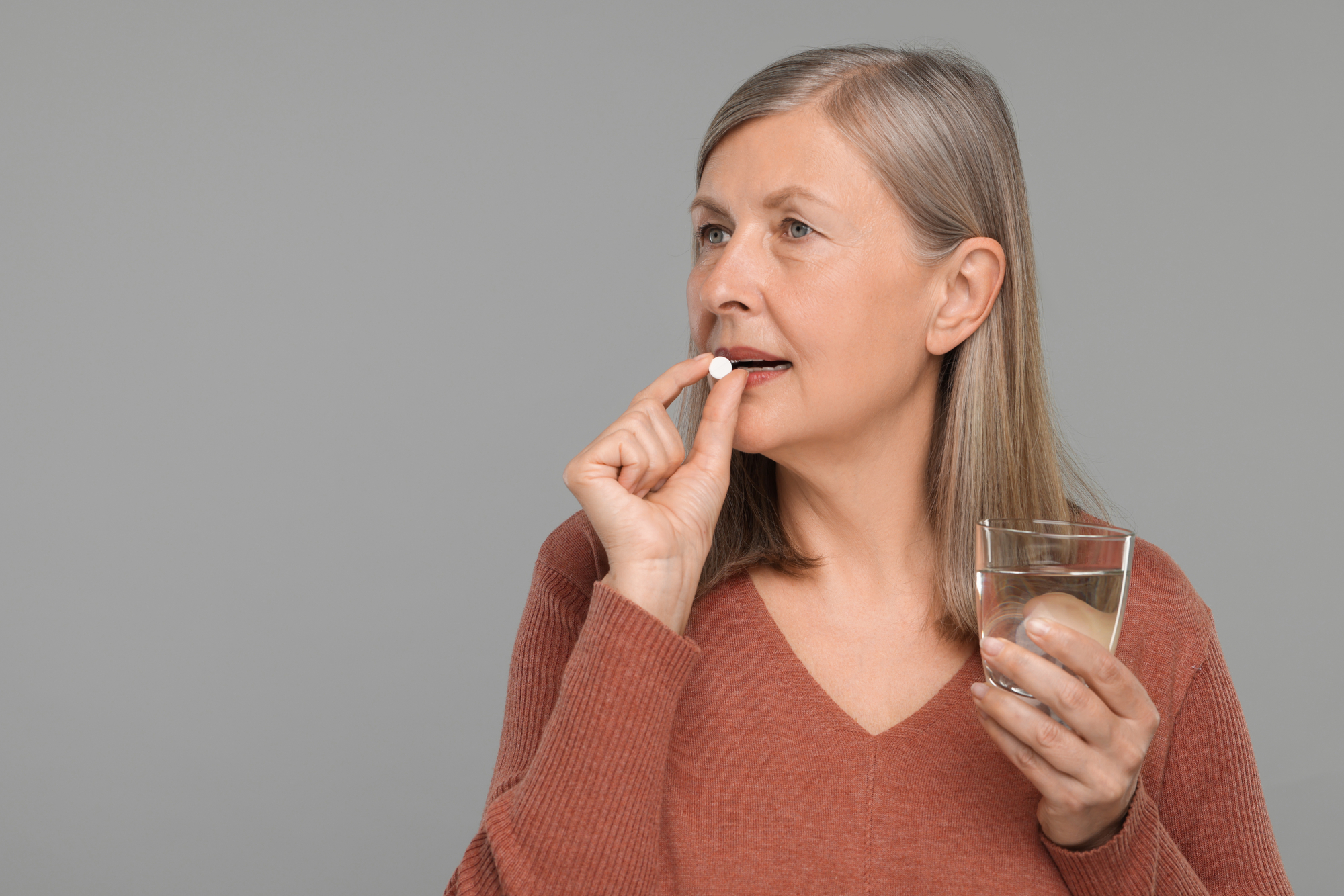
Before you start taking sleep medication, you should understand how it works, its side effects and the interaction with other medications. Natural sleep aids like foods rich in melatonin and chamomile tea may be preferable alternatives.
Sleep medication can force your body to sleep but the quality might not be good and your overall wellness may suffer. These are important considerations.
Ask Dr. Gala: Your Wellness Wisdom Starts Here
Can you become dependent on over-the-counter sleeping pills?
Yes, and it happens fast. Tolerance builds within a few nights, so Monday’s dose does less by Friday. You take a little more, then more again, and now you are managing the sleep medication instead of the sleep. The grogginess rides along into the next day too, into your car and into an afternoon where you cannot hold a thought. It stacks with anything else you are taking, which is its own risk. Meanwhile the reason you were awake at 2AM is still there in the morning, untouched. Ask what your body is doing at that hour, and treat that. The rest follows.
How Sleep Medication Works In The Human Body
Essentially, these strong sleep aids operate mainly by encouraging sleepiness and initiating sleep. They focus on particular receptors in your brain to balance your sleep-wake cycle, promising to re-adjust your internal clock.
The method of operation varies from one medication to another, but the common factor is the calming effect. This calming is a powerful tool in the fight against insomnia, assisting you to drift off and stay asleep for the night.
It’s important to understand what’s happening in your body, how it’s responding to the medication, and what the potential effects could be on your overall sleep patterns.
Treating your sleep issues should be a decision made with care and insight. Remember, not all sleep aids are made the same, each having a unique way it interacts with your body.
Best Food And Natural Sources Of Sleep Medication

Before opting for a pill, think about the natural sleep aids readily available in your kitchen. Foods such as bananas, kiwi, and cherries, paired with soothing chamomile tea, can significantly enhance your sleep quality.
These food sources, among others, can offer a natural, gentle way to restore peaceful nights.
Understanding Melatonin Sources
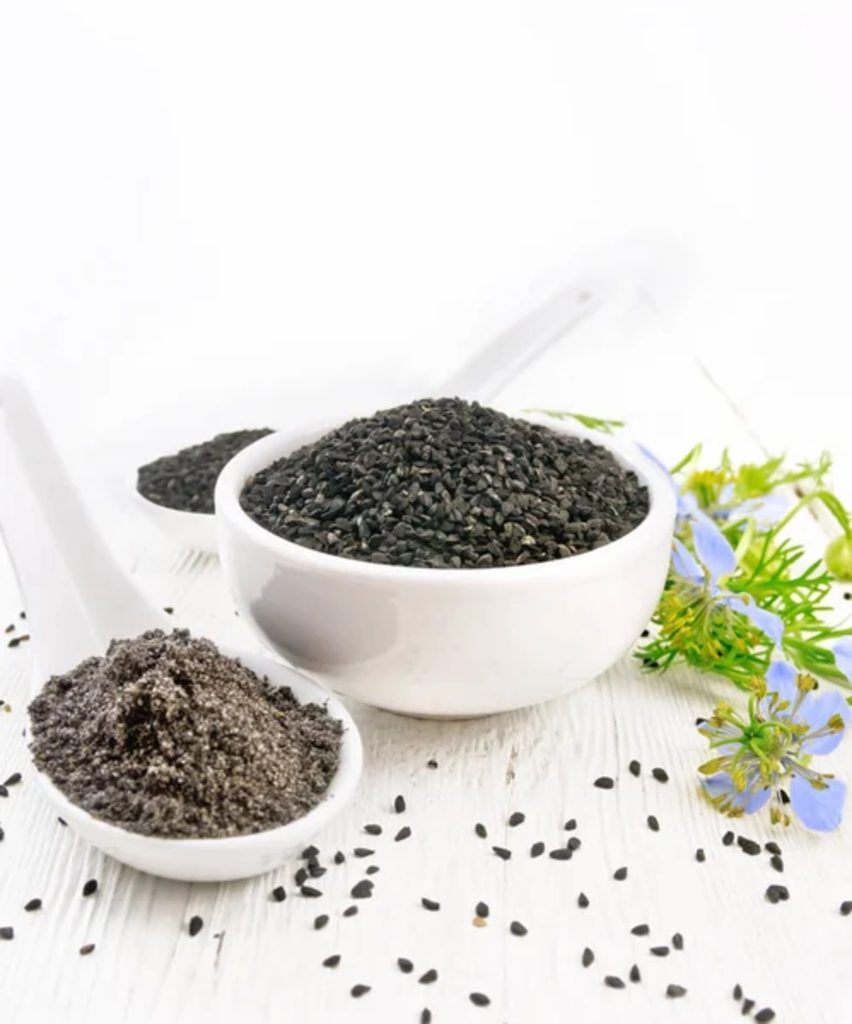
Choosing a sleep aid can feel like a lot at first. Knowing that melatonin, the hormone that regulates sleep, already turns up in everyday foods like cherries, grapes, tomatoes, and even nuts and seeds makes it all simpler. Melatonin is best consumed in food … only supplemented if and when it’s really necessary.
These natural sources of melatonin not only support your sleep-wake cycle but can also alleviate jet lag. Even herbs like valerian root and chamomile have compounds to boost your body’s melatonin production.
By incorporating these natural sources into your lifestyle, you’re taking control of your sleep quality.
Bananas and Sleep Quality
When considering natural sleep aids, think about bananas as a delightful, effective option filled with sleep-supporting nutrients. Loaded with tryptophan, a serotonin enhancer, bananas calm you and pave the way for sound sleep. And serotonin plays a vital role in sleep quality.
But there’s more to it. Bananas are also abundant in muscle-soothing magnesium and potassium. These nutrients are crucial in boosting your sleep quality. Before opting for traditional sleep medication, consider adding a banana to your diet. This simple, natural source of melatonin could help balance your sleep patterns, providing the restful night you long for and deserve.
Chamomile Tea Benefits

Enjoy a cup of chamomile tea, and you’ll discover another natural sleep enhancer that’s been loved for its ability to improve sleep quality. This sleep aid is a rich natural source of antioxidants like apigenin, which works wonders in your brain to encourage relaxation and diminish anxiety.
The calming qualities of chamomile tea extend beyond just relaxing your body. They also reduce your sleep latency, the time it takes to fall asleep, offering a more restful and gratifying night’s sleep.
The charm of chamomile tea lies in its simplicity – a warm, comforting beverage that doubles as a powerful sleep enhancer. This ancient solution boosts your sleep quality with the gentle, effective benefits of herbs.
Role of Tryptophan Foods
Among all of the natural sleep aids, you shouldn’t underestimate the power of foods rich in tryptophan, a hidden gem of sleep-inducing nutrients.
Tryptophan, a crucial amino acid, plays a central role in the production of serotonin and melatonin, vital hormones for sleep regulation.
Foods like turkey, chicken, nuts, and tofu are packed with tryptophan and can bring relaxation, helping to establish healthy sleep patterns.
There’s a bonus. When paired with carbohydrates, the entry of tryptophan into your brain is boosted, further supporting sleep regulation. And, if you use resistant starch as your carb of choice you will reduce the unwanted effects on blood sugar.
Valerian Roots Effectiveness
If you’re searching for a natural substitute for sleep medication, you might want to consider the potential benefits of valerian root, a herb known for its sleep-boosting properties.
As a popular natural sleep aid, valerian root could assist you in tackling insomnia. It functions by raising levels of gamma-aminobutyric acid (GABA) in your brain, encouraging relaxation and sleep. Components like valerenic acid and valerenol lend valerian root its calming effects, interacting with GABA receptors to help you chill out.
Benefits Of Using Sleep Medication
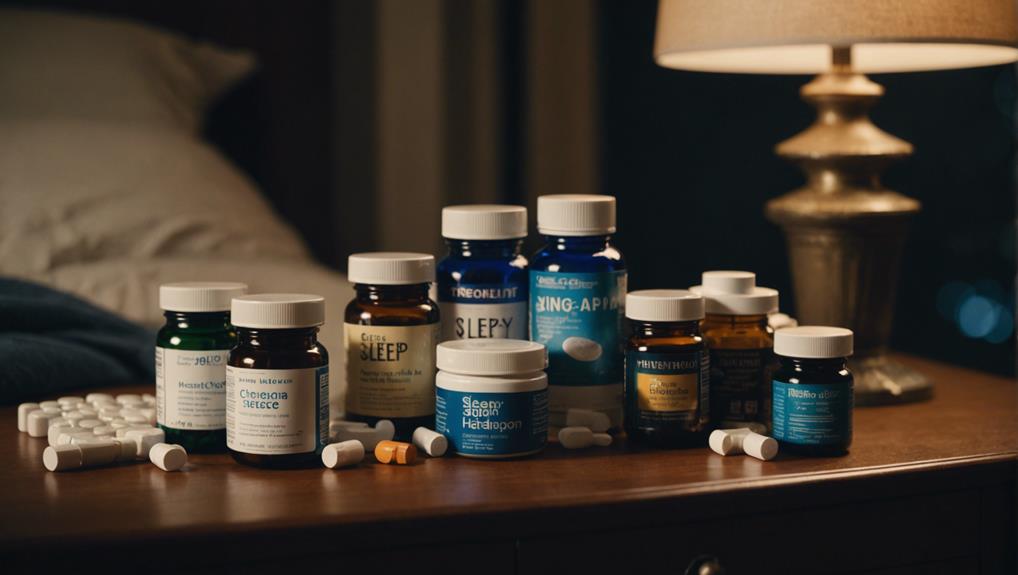
When considering using sleep medication, understand that this could be a short-term solution to enhance sleep quality and length … leading to a significant improvement in how you feel overall. When used correctly, these medications can offer a powerful solution for combating restlessness and insomnia, allowing you to reclaim control over your sleep patterns and, in time, your life.
It’s essential to realize that sleep medications come with their own set of guidelines. They aren’t a miracle solution, but a tool to be used responsibly and under the supervision of a healthcare provider. Here are a few key points to bear in mind:
- Always follow prescribed dosages and usage instructions to avoid forming a habit.
- Start a conversation with your healthcare provider to fully understand the risks and benefits.
- Use sleep medication as a short-term regulated method to improve your sleep quality and length.
Equip yourself with knowledge and make informed decisions about your health. The aim is to improve your sleep, not to introduce another issue you’ll have to address.
Cautions If You’re Considering Supplementing with Sleep Medication

While it’s often tempting to opt for sleep medication as a quick solution, it’s vital to step lightly, thoroughly understanding the implications and potential hazards. Remember, you’re your ‘PCP’… Primary Care Person. It’s up to you to make knowledgeable decisions.
Before you begin using sleep medication, it’s crucial to talk to your doctor about the potential risks and advantages, empowering you to make a decision that focuses on overall well-being. They’ll also ensure there are no dangerous interactions with your current medications or substances, protecting your health.
Allergic reactions are another potential issue. Make sure you’re not allergic to any components in the sleep aid. An allergic reaction could further interrupt your sleep and harm your health.
Also, bear in mind that less is often more. Choose the smallest effective dose to lessen potential side effects. Overdoing it could be counterproductive, leading to sleepiness, unsteadiness, or worse.
There’s one more caution, and it’s the one that catches most women off guard. These OTC sleep aids stop working. The same question comes up with melatonin, and it deserves its own answer.
Diphenhydramine and doxylamine both build tolerance FAST. A few nights in a row and the same dose does less. So you take a little more. Then a little more after that. Now you’re managing the medication instead of the sleep.
And the drowsiness doesn’t politely quit when your alarm goes off. It rides along into the next day, into your car, into the afternoon where you can’t hold a thought.
None of that touches WHY you’re awake at 2 a.m. That hour is a clue. If you’re up at the same time most nights, waking up at 3 AM points somewhere specific, and it is worth following.
A sleep aid can buy you a few nights. It can’t do your deep cleaning for you. That work happens in the routine you build around sleep, night after night.
Final Thoughts
In view of the precautions and potential risks linked to sleep medication, it’s important to remember that other effective natural treatment options are available, and customizing the right strategy requires understanding all the alternatives.
While sleep medications may make sense as part of a full insomnia treatment plan, they’re not the only answer. Lifestyle modifications or cognitive behavioral therapy are often better options initially for treating insomnia. You can also use pharmaceutical sleep aids short-term to build healthy sleep habits while addressing underlying issues.
Undiagnosed sleep disorders or medical conditions might be causing your sleep troubles. Therefore, it’s key that you speak with a healthcare provider who can help identify the most fitting treatment method for you.
Key Takeaways
- Cognitive behavioral therapy is a first step in treating insomnia.
- Short-term pharmaceutical sleep aids may help to establish healthy sleep habits.
- A healthcare provider may be helpful to create a personalized treatment plan.
So, before you take that sleep medication, pause. Learn how it functions, ponder natural alternatives, and figure out what you’re genuinely lacking.
Don’t ignore the warnings. Your sleep is crucial, and so are you. It’s your body, your well-being, your sleep.
“If you came into my office, I’d ask you a lot of questions that would help us connect the dots … so that together we can deal with your toxic stress.
Every situation is unique and you need a plan that works for you. Not a one-size-fits-all solution.
If you’re thinking you can’t come into my office, don’t worry. I’ve created a program with all of my initial recommendations to help you unravel the mystery. You can use it at home and at your convenience.
So if you’re thinking that managing chronic stress just isn’t possible … or even the answer … for you, I want to show you what you may be missing.
And how you can identify the toxic stressors that are creating your symptoms with my Human Energy System Reboot. You can get started HERE.” – Dr. Gala