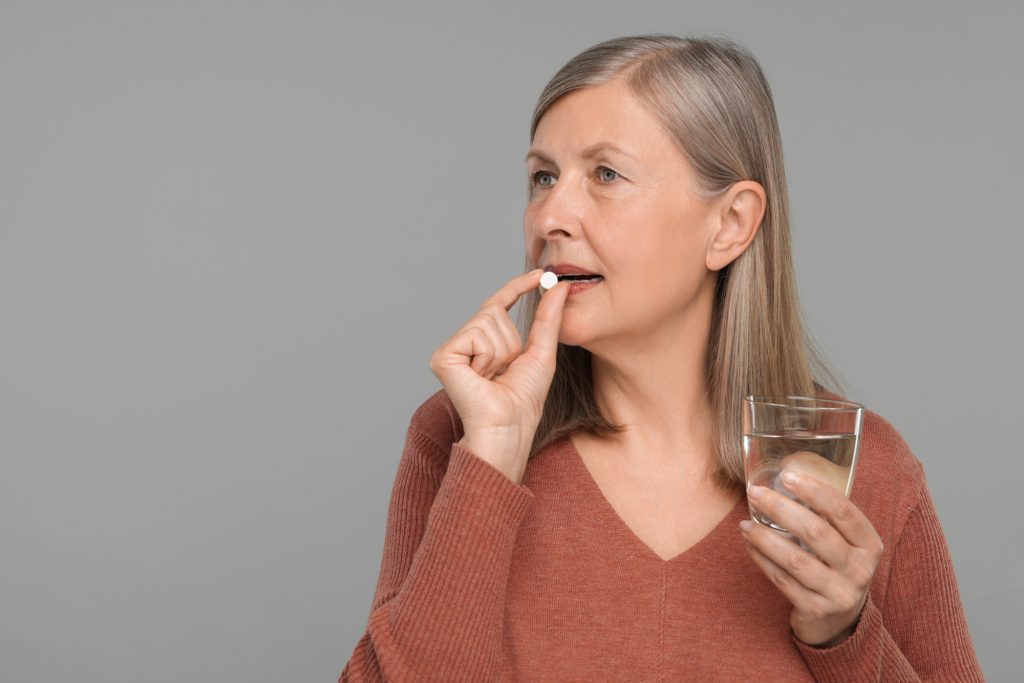

You snapped at your partner over something small, then sat there wondering where that came from. A slow driver, a dish left in the sink, and suddenly the anger runs far past what set it off. Perimenopause rage works like that. It shrinks the gap between a minor annoyance and a full boil, until the smallest thing tips you over.
You’re not a bad person, and you’re not losing your grip. For years, your hormones kept a buffer between you and the daily friction of life. As that buffer thins, the friction lands harder. What you feel is your nervous system sounding an alarm, asking you to listen.
Ask Dr. Gala: Your Wellness Wisdom Starts Here
Can perimenopause really be the reason small things now set you off?
Yes, and you are not becoming a worse person. For years estrogen and progesterone helped your brain make its own calming chemistry, which sat between you and every small daily friction. As those hormones taper, the padding wears thin. The same slow driver, the same dish in the sink, now lands on a nervous system with almost no give. Perimenopause rage is what that looks like from the inside. Cortisol keeps the alarm switched on, so the flash arrives faster and stays longer. Lower the cortisol, feed the calming messengers, and move the angry energy out of your body.
Why Perimenopause Rage Hits Harder in Midlife

For most of your life, you had a kind of emotional shock absorber. Someone cut you off in traffic, a coworker took credit for your work, and you felt the flash of irritation, then let it pass. The reaction came and went without running the show. Somewhere in your forties, that shock absorber started to wear thin.
Perimenopause rage is what shows up when the padding wears away. The same slights and small frustrations still arrive, but now they land on a nervous system with far less give. The filter between you and the world grows thin, and a stubbed toe or an unanswered text can set off a response that feels three sizes too big. None of this means a new, angrier version of you is here to stay. Your body is simply running low on the chemistry that used to keep you steady.
The Calm Buffer Your Hormones Used to Provide
For decades, two of your main hormones did quiet work in the background. Estrogen and progesterone acted as a buffer against stress, helping your brain produce its calming messengers. These are the chemicals that soften your mood, settle your worry, and leave you feeling connected instead of on edge.
As you enter perimenopause and those hormones taper off, that buffer thins out. The calming signals get harder to make, and everyday stress that once rolled off you now cuts straight through. There’s a name for the state this creates, a breakdown in the stress axis that links your brain to your adrenal glands. In plain terms, the system meant to switch your stress response on and then off starts leaving it stuck in the on position.
Menopause Rage and the Cortisol Loop You Get Stuck In

Here is where the loop tightens. When your stress response stays switched on, your body keeps flooding itself with cortisol, the hormone built for short bursts of danger. Think of a gas pedal pressed to the floor and taped there, revving hard even while you sit quietly on the couch. Your body never gets the message that the threat has passed.
Menopause rage feeds this loop in a way that catches most people off guard. The resentment and anger you carry actually spark a wave of inflammation inside your body. That inflammation tends to settle in your liver, and a congested liver struggles to process your hormones cleanly. So the hormonal imbalance that lit the anger in the first place gets worse, which fuels even more of it. Left alone, the cycle only picks up speed.
How to Calm a Rage Spike Without Losing Your Day

None of this asks for a prescription pad or a week off work. Calming your nervous system comes down to three moves you can repeat whenever the heat rises, each one telling your body that the danger has passed.
Breathe out longer than you breathe in. Your fastest free reset is your own breath. Draw air in through your nose for a count of four, hold it for seven, then let it out slowly through your mouth for a count of eight. The long exhale is the whole point, because it tips your body toward calm and floods your brain with its own natural tranquilizer. Two or three rounds are often enough to pull you back from a rage spike, and you can do it in the car after someone cuts you off or while waiting in the grocery line.
Lower the cortisol with nature’s medicine. Certain plants help your body dial down its stress hormone. An adaptogen like ashwagandha, taken at 125 to 500 milligrams twice a day, helps bring cortisol down and quiet the overactive stress axis. Pairing it with 400 milligrams of magnesium glycinate at night helps your whole body unwind before bed. Keep this short, somewhere between three weeks and three months, then take a break, so your system holds on to its own ability to settle rather than leaning on a bottle for good.
Move the anger out of your body. Anger is an emotion full of action, and it needs somewhere to go. Rather than letting it land on your family, walk it off with a brisk twenty minutes outside, where fresh air and daylight shift your whole outlook. No time for that? Duck into a quiet spot and do a few air squats, or simply stand still, close your eyes, and listen to whatever surrounds you, from birdsong to passing traffic. That small act pulls you out of your spinning head and switches on the calm branch of your nervous system.
Breathe first, steady the cortisol, then move the energy out, and a rage spike loses its grip long before it takes over your afternoon.
When Perimenopause Mood Swings Are Telling You Something

Not every surge of anger is only your hormones talking. Perimenopause mood swings can turn up the volume on a feeling, but sometimes the feeling underneath is pointing at something real. If you calm yourself down and the anger walks right back in, that’s worth noticing. It may be flagging a boundary that keeps getting crossed or a situation that truly deserves your attention.
The goal is to feel what comes up without letting it run the show. When your nervous system is steady, you can tell the difference between a spike that will pass in ten minutes and a signal that needs a real response. Steadiness hands you back the choice between reacting on impulse and answering with intention, and that choice is what returns your sense of control.
Why Numbing the Rage Only Backfires
There’s a reflex worth catching before it catches you. When the rage and restlessness pile up, numbing them feels like relief. A couple of glasses of wine at the end of the day, or a few hours of scrolling until your mind goes blank, and the edge finally dulls.
Numbing muffles the alarm for a while, but it leaves the underlying wiring untouched, so the alarm always comes back louder. Alcohol makes things worse in a specific way because it irritates the same liver that’s already struggling to clear your hormones, which keeps that inflammatory anger locked inside you. Reaching for a quick escape tonight almost always buys you a shorter fuse tomorrow. The steadier path is to soothe the root of the problem rather than muffle the signal it keeps sending.
You Become Your Own Primary Care Person
This is what becoming your own Primary Care Person looks like, and it asks for far less than the wellness world wants you to believe. No overhaul, no punishing routine, just a handful of steady choices you can reach for the moment your temper starts to climb.
Perimenopause rage loosens its grip when you stop treating your anger as proof that something is wrong with you and start treating it as information. Breathe when the heat rises. Steady your stress hormones with a little help and a lot of movement. Listen when a feeling keeps returning, and let the quieter days find their way back. Your patience is still there, waiting for a nervous system that finally feels safe enough to exhale.
“If you came into my office, I’d ask you a lot of questions that would help us connect the dots … so that together we can deal with your toxic stress.
Every situation is unique and you need a plan that works for you. Not a one-size-fits-all solution.
If you’re thinking you can’t come into my office, don’t worry. I’ve created a program with all of my initial recommendations to help you unravel the mystery. You can use it at home and at your convenience.
So if you’re thinking that managing chronic stress just isn’t possible … or even the answer … for you, I want to show you what you may be missing.
And how you can identify the toxic stressors that are creating your symptoms with my Human Energy System Reboot. You can get started HERE.” – Dr. Gala