

You sit down to your favorite meal. A salad you swear is healthy. Whole grain toast. Within minutes, you’re bloated, heavy, and exhausted.
That’s what happened to a mom who did everything “right” with her food diets. Energy slipping. Clothes fitting tighter. Nothing working.
Everything changed when she tried an elimination diet for food sensitivities. She stopped following generic advice. She started listening to her body’s unique responses.
Like so many women over 40, she realized healthy eating goes beyond what’s good for everyone. It’s about what’s right for you. These restriction-style approaches aren’t about punishment or perfection. They’re plans for revealing which healthy foods to eat everyday. And which ones are secretly working against you.
Ask Dr. Gala: Your Wellness Wisdom Starts Here
Can elimination and restriction diets really work for women over 40?
Yes, and the reason has nothing to do with willpower. Most of the food diets women reach for in midlife are built for weight loss, not for information. Pulling one suspect food for three or four weeks, then putting it back and paying attention, tells you what your body actually does with it. Bloating, achy joints, brain fog, the 3 a.m. wake-up… that is data. So run it as a short investigation with a start and a finish. Reintroduce on purpose, one food at a time, and write down what you notice. What you learn stays with you long after the trial ends.
Why Your Previous Food Diets Stopped Working
After 40, your body operates differently. Estrogen fluctuates. Metabolism shifts. Inflammation becomes a constant companion rather than an occasional visitor.
Those eating patterns that delivered results in your 30s? They’re fighting against your biology now. The restrictive approaches that once worked are now adding additional stress to a system already managing hormonal transitions. The “healthy” choices you’re making might actually be triggering the very symptoms you’re trying to eliminate.
Food sensitivities don’t just cause bloating or fatigue. They trigger your stress response. When your body reacts to foods it can’t tolerate, it releases cortisol, which creates inflammation, disrupts sleep, and drains energy. Calming those food-related stress signals becomes one of the fastest ways to feel better in midlife.
That’s where elimination and restriction approaches offer something different. Instead of following another generic plan, these methods help you investigate your body’s specific responses and build an eating pattern based on evidence rather than guesswork. A thorough assessment of how different foods affect your individual system provides clarity that generic diet plans simply can’t deliver.
What Sets Elimination Diet for Food Sensitivities Apart

These approaches differ fundamentally from long-term lifestyle patterns like plant-based or heart-healthy eating. They’re short-term strategic plans that help you gather insight about how your body responds to certain foods.
The common thread across all seven food diets: either limiting or time-restricting certain foods to calm symptoms or reset habits. Each method supports digestive rest through a structured period of restriction followed by thoughtful reintroduction. Or in the case of intermittent fasting, a sustainable eating window.
The end goal is knowing your personal keepers and triggers. When you understand which foods support your energy and which ones sabotage it, you can stop following rules that don’t suit you and start eating with clarity. This personalized diet approach recognizes that what works for the general population may not work for you, and what triggers symptoms in your body might be perfectly fine for someone else in a different population group.
The 7 Elimination and Restriction Diet Approaches to Consider
Intermittent Fasting
While not technically an elimination diet, intermittent fasting emphasizes when you eat rather than what you eat. It creates intentional pauses in eating that reduce the constant load on your digestive system. This extended rest period may help lower inflammation and make it easier to notice how your body responds to certain foods when you reintroduce them.
The most commonly discussed window is 16:8, an eight-hour eating window with sixteen hours of digestive rest. But for mature women, an 18:6 pattern often works better: eighteen hours of rest and two nutrient-dense meals within a six-hour window. Each meal should include 20-40 grams of high-quality protein.
This approach supports weight management and metabolic health. It helps regulate insulin, lower fasting blood sugar, and improve cholesterol markers. The structure appeals to women who prefer predictable patterns over constant calorie counting. However, it’s not ideal for anyone with a history of eating disorders, uncontrolled diabetes, or during pregnancy.
And if you’re adapting well to one meal a day, pay attention: too much fasting becomes too restrictive. Many women find that this diet strategy helps them manage weight more effectively than traditional calorie-restriction diets while also reducing their overall calorie intake naturally.
Gluten-Free

This approach removes wheat, barley, and rye, focusing on naturally gluten-free grains and whole foods to reduce inflammation and support digestive health. It’s essential for celiac disease and genuinely helpful for many women with non-celiac gluten sensitivity or autoimmune thyroid conditions.
The challenge is staying balanced while going gluten-free. What tends to happen is that people adopt swaps that create other issues long-term. Replacing regular flour with almond flour leads to excessive nut consumption and potential new sensitivities. Bakers add extra yeast to gluten-free baked goods, potentially triggering fungal overgrowth issues.
If you’re trying this approach, lean into naturally gluten-free options: rice, quinoa, buckwheat, starchy vegetables like potatoes and sweet potatoes, legumes, fruits, nuts, seeds, and eggs. Read labels carefully and keep a go-to list of staples rather than constantly searching for processed substitutes. A gluten-free diet has gained prevalence among the general population, not just those with diagnosed celiac disease, and for good reason. The prevalence of gluten sensitivity symptoms has increased as more women in midlife report digestive improvements when following a gluten-free diet approach.
Be mindful that contamination with gluten can occur during food processing, so checking for contamination risks and choosing certified gluten-free products tested in laboratories helps ensure the diet’s effectiveness.
BRAT (Bananas, Rice, Applesauce, Toast) Diet
This combination sounds unusual, but it serves a specific purpose: short-term relief during acute digestive upset. Nausea, diarrhea, and foodborne illness recovery. These bland, low-fiber foods give your stomach a chance to rest.
This is absolutely not a long-term approach. It’s low in protein, fat, and fiber, essentially a bridge back to nourishing eating. Use it when you need it, then phase it out as soon as symptoms improve. Return to balanced, nutrient-dense meals to rebuild your strength. As symptoms lift, step up to broth, yogurt if tolerated, eggs, and potatoes before returning to your usual balanced foods.
This diet is particularly helpful during acute infection or when recovering from gastrointestinal infection, providing gentle relief while your system heals from infection.
Low FODMAP (Fermentable Oligosaccharides, Disaccharides, Monosaccharides, and Polyols)
This targeted plan reduces specific fermentable carbohydrates to ease digestive issues, particularly for irritable bowel syndrome (IBS) and small intestinal bacterial overgrowth (SIBO). Clinical studies show that up to 70% of IBS patients experience symptom relief with proper guidance.
The structure involves three phases: elimination, reintroduction, and personalization. During elimination, you choose lower-FODMAP produce like spinach, carrots, zucchini, grapes, and citrus alongside proteins like fish, poultry, eggs, firm tofu, and suitable grains like rice, oats, and quinoa. Then you systematically reintroduce foods to identify your unique triggers.
Given the complexity, professional guidance helps. A dietician who specializes in this approach can protect variety and guide each phase appropriately while keeping in mind the foods you actually enjoy. The goal is personalization, not lifelong restriction. Many women following a vegetarian diet or exploring vegetarian food diets find that the Low FODMAP approach requires extra attention to protein sources, since some vegetarian staples like beans and lentils are high-FODMAP foods that need careful management within vegetarian diets.
Whole30
This 30-day elimination plan removes common inflammatory foods, such as sugar, grains, dairy, legumes, and alcohol, to help identify sensitivities. After the reset, foods return gradually while you observe how your body responds.
Dr. Gala’s personal experience with this approach: it’s one of the hardest she’s ever used. Nearly impossible to eat out due to restrictions on fats and the complete elimination of sugar. But it’s also eye-opening because you realize how much we consume that isn’t supporting our health.
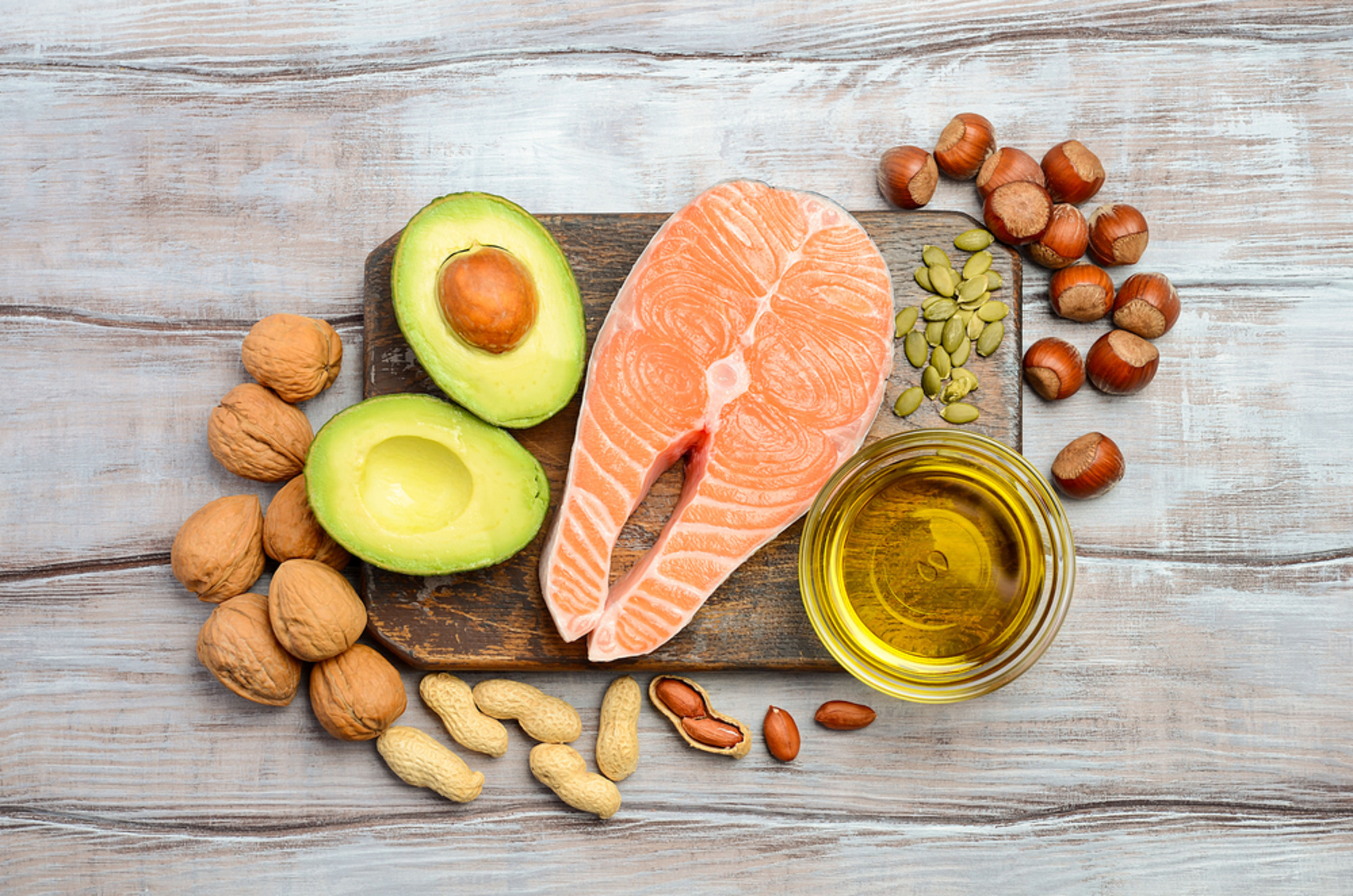
The diet itself is incredibly healthy, consisting of protein, vegetables, including starchy options, and quality fats like olive or avocado oil. The challenge is implementation, not nutrition. It’s really a 40-day program. That reintroduction period after the initial 30 days is where you gain the most insight from your month of elimination.
When you reach day 30, resist the urge to immediately return to everything you’ve missed. If you typically follow a vegetarian diet, adapting Whole30 as a vegetarian requires extra planning since legumes are eliminated, though vegetarian diets can be modified to work within this framework by focusing on eggs and plant-based proteins that fit the protocol.
Blood Type Diet
This approach pairs food lists with blood groups, such as O, A, B, and AB, claiming benefits for digestion and immunity. It encourages a personalized approach to eating, though it remains largely theoretical and lacks substantial scientific support.
What makes it interesting: when clients undergo food sensitivity testing through blood work, they often find odd, specific items triggering inflammatory responses unique to them. This suggests the blood type concept may have more legitimacy than initially credited, even if the science hasn’t fully caught up. If you’re curious about personalized nutrition frameworks, this offers one lens for exploration. Just ensure you’re not cutting major nutrient sources without good reason.
The blood type diet recommendations can vary significantly, with Type A individuals often guided toward vegetarian diets while Type O individuals might be directed toward diets including red meat and other animal proteins. Understanding these diet variations and their nutritional benefits helps you evaluate whether this approach aligns with your health goals and the prevalence of certain health conditions in your family history.
The Fierce 5: Dr Gala’s Approach

This focused elimination plan avoids five common triggers that appear repeatedly in women dealing with chronic symptoms: gluten, dairy, yeast, sugar, and alcohol. These are the same five items eliminated during Dr Gala’s Human Energy System Reboot.
From a wellness perspective, none of these five are required for optimal health. The approach centers on whole, unprocessed foods while removing these common culprits short-term. Then you reintroduce strategically to identify what’s truly problematic.
The warning about swaps applies here too. When eliminating gluten, don’t just replace everything with almond flour. That’s how sensitivities to new foods develop. Dr. Gala developed an almond sensitivity precisely this way. The goal is leaning into clean, natural foods that don’t require manipulation.
For calcium and vitamin D concerns from removing dairy: spending 15-20 minutes in the morning sun remains one of the most reliable ways to support healthy vitamin D levels. It is the absolute best source. Vegetables provide excellent calcium without dairy products. A varied whole-food approach with structured reintroduction keeps diversity without nutrient gaps.
This diet approach helps with weight management naturally while also supporting the body’s natural process of shedding inflammation and excess weight that may be linked to food sensitivities. As your body begins shedding stored inflammation and reactive responses to trigger foods, you’ll notice improved energy and clearer thinking, with continued shedding of symptoms over time.
Building Your Daily Plate with Healthy Foods to Eat Everyday
Each approach requires attention to nourishing foods that support your body through the restriction phase and beyond.
For intermittent fasting, build substantial plates within your eating window: lean proteins or legumes, plenty of vegetables and fruit, whole-food carbohydrates you tolerate, and quality fats. Hydration and electrolytes become especially important when you’re giving your digestive system extended rest. Pay attention to your calorie needs and ensure each meal provides adequate calories and hydration through both food and drink choices. Include herbal tea or infused water as your drink options to support digestive rest.
Gluten-free eating relies on naturally gluten-free grains like rice, quinoa, and buckwheat, plus starchy vegetables, legumes, and protein sources. Be cautious with processed substitutes as they often create the problems you’re trying to solve. Focus on food samples that are naturally gluten-free rather than manufactured alternatives, and verify that any packaged items show no clinical signs of cross-contamination.
Low FODMAP requires choosing appropriate produce during elimination, then expanding variety as you identify your tolerance levels. The personalization phase is where this becomes sustainable rather than restrictive. Those following vegetarian diets or considering vegetarian options within this framework should work closely with a dietician to ensure adequate protein and to explore the nutritional benefits of Low FODMAP vegetarian eating patterns.
Whole30 emphasizes vegetables, fruit, eggs, meat, fish, seeds, nuts, and oils like olive or avocado. No added sugar, grains, dairy, or legumes for the full thirty days, then thoughtful reintroduction to identify your keepers. If you include red meat in your diet, choose grass-fed options, though red meat isn’t required, and many adapt Whole30 to reduce or eliminate red meat based on personal preference. Track your calorie intake loosely to ensure you’re eating enough, as calorie restriction isn’t the goal. Food quality and sensitivity identification are. Be mindful of calorie balance and proper hydration throughout the protocol.
The Fierce 5 elimination opens up vegetables, fruit, meat, fish, eggs, nuts, seeds, gluten-free grains, and tubers. After the initial phase, reintroduce removed groups strategically while noticing what triggers digestive issues. This diet strategy supports public health recommendations for whole-food eating while helping you identify personal triggers, and its growing prevalence reflects increased public health awareness about the impact of food sensitivities on chronic inflammation and metabolic health concerns.
What’s the Same and What’s Different

These approaches share common ground: all either limit or time-restrict certain foods to calm symptoms or reset habits. All support digestive rest. All work best when daily plates still include protein, plenty of produce, fiber, and quality fats.
The differences are in focus and timeframe. Intermittent fasting addresses when you eat and can continue long-term with varying windows. Other elimination plans focus on what you eat and typically run for shorter durations.
Medical necessity matters. Gluten-free is lifelong care for celiac disease. Low FODMAP and Whole30 are definitely temporary. BRAT is super temporary for brief illness support. The Fierce 5 can serve as a customized short-term reset, with moderate consumption of those five items long-term. Whether you’re following a vegan diet, exploring vegan diet options as a vegetarian, or incorporating animal proteins, each diet framework can be adapted to your baseline eating pattern. A vegan diet can work within intermittent fasting, and many find that a vegan diet approach pairs well with elimination strategies to identify plant-based trigger foods.
Unlike plant-based or heart-healthy approaches that focus on nourishing the body with specific food groups over time, elimination and restriction methods are about mindful subtraction. They invite you to observe what happens when certain foods are temporarily removed, helping you identify what works against your health alongside what supports it. The antimicrobial resistance crisis affecting public health doesn’t directly relate to these diets, though choosing quality protein sources and reducing reliance on conventionally-raised animal products may indirectly support efforts to combat antimicrobial resistance in the food supply.
From Generic Rules to Personal Evidence
That mom who sat down to her “healthy” salad and whole-grain toast? She wasn’t failing at dieting. She was following advice that didn’t account for her body’s specific responses.
These seven approaches give you the knowledge to stop guessing. Restrict temporarily. Reintroduce with attention. Notice what shifts.
The bloating, the fatigue, the weight that won’t budge. Your body has been communicating. These methods help you finally understand the message.
“If you came into my office, I’d ask you a lot of questions that would help us connect the dots … so that together we can deal with your toxic stress.
Every situation is unique and you need a plan that works for you. Not a one-size-fits-all solution.
If you’re thinking you can’t come into my office, don’t worry. I’ve created a program with all of my initial recommendations to help you unravel the mystery. You can use it at home and at your convenience.
So if you’re thinking that managing chronic stress just isn’t possible … or even the answer … for you, I want to show you what you may be missing.
And how you can identify the toxic stressors that are creating your symptoms with my Human Energy System Reboot. You can get started HERE.” – Dr. Gala