You buy a supplement that’s supposed to detox your body. The label looks good. The reviews check out.
A few weeks in, you’re not feeling better. You’re feeling worse. More fatigue, more brain fog, inflammation flaring up in places it wasn’t before.
Something’s clearly off. And you were being careful. Researching. Following the protocol. Genuinely trying to do right by your body.
Almost nobody checks the thing that actually matters first: not the brand, not the dose, but whether the whole approach ever suited what your body is already carrying. This shows up constantly with ozone supplements. They work by adding oxidative stress to your system on purpose, so quality and dosing matter far more than any label admits.
Ask Dr. Gala: Your Wellness Wisdom Starts Here
Can an ozone supplement make you feel worse during a midlife detox?
Yes. The over-the-counter version is nothing like the medical grade a trained practitioner doses in a clinic. Both work by adding reactive oxygen species, and a body already carrying hormonal change and years of accumulated stress has less room to mop them up. So the promised energy shows up as joint pain, heavier fog, or broken sleep instead. Route and dose decide almost everything here, and very few of these products have been tested rigorously enough to tell you either one. Before you reach for ozone supplements, deal with the stress underneath. Acupuncture and a custom herbal formula restore flow rather than forcing it.
Why Does an Ozone Supplement Make Some Women Feel Worse Instead of Better?
Have you started a supplement that promised detox and instead noticed more joint pain, heavier fog, irritability, or worse sleep? Ozone and strong detox supplements raise oxidative stress and inflammation when the dose, timing, or delivery isn’t matched to you.
In midlife, hormones shift, and years of accumulated stress leave less room to absorb an extra load. That’s why the same “trendy” protocol that helps one woman can leave another feeling depleted, or genuinely scared about what her body is doing.
What Is the Real Difference Between an Ozone Supplement and Medical Ozone Therapy?
Ozone is an extremely reactive form of oxygen. It can damage or heal, mostly depending on how and where it’s used. In a clinical setting, “medical ozone,” carefully dosed by a trained provider, triggers a short, controlled burst of reactive oxygen species that nudges your own antioxidant defenses, like superoxide dismutase, to up-regulate. It can boost blood flow to inflamed tissue and help modulate immune activity.
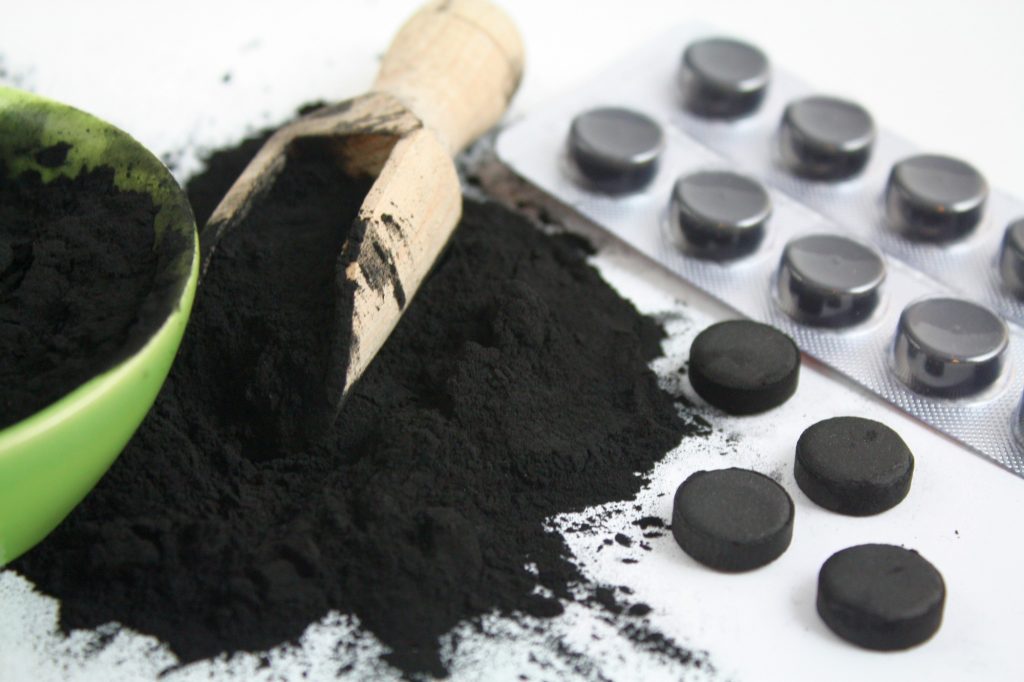
An over-the-counter ozone supplement is not that. It usually arrives as an ozonated oil or a different delivery method entirely, and it can add more reactive oxygen species than your antioxidant system can comfortably absorb. Route matters. Dose matters. Technique matters more than the marketing on the bottle ever admits, and very few of these products carry rigorous clinical trials behind them.
Is Ozone Therapy Actually Approved or Regulated in the United States?
The wellness aisle skips over this part entirely. Federal regulation, 21 CFR 801.415, classifies ozone as “a toxic gas with no known useful medical application in specific, adjunctive, or preventive therapy,” and it caps the acceptable ozone output of any device at 0.05 parts per million. That’s a standing federal rule, not a blog opinion, and it’s why a clinic offering IV or injected ozone therapy in the United States is working in a genuine gray zone rather than an approved one.
That doesn’t mean every use is dangerous. It means there is no FDA-sanctioned medical indication behind it, over-the-counter or in a clinic, and “natural” was never the same claim as “cleared.” A 2023 evidence map published in Frontiers in Public Health, reviewing ozone’s use in integrative medicine, found the most supported applications are chronic pain, infection control, and wound healing, almost always alongside standard medical care, with serious side effects rare when trained providers followed quality-control protocols. It also found major open gaps in long-term safety data, ideal dosing, and which patients actually benefit. The science is promising. It is not finished, and it was never meant to greenlight a bottle from a supplement aisle.
None of this means a clinic offering it is running a scam. Plenty of trained practitioners use ozone thoughtfully, inside a broader treatment plan, with real informed consent about where the evidence stands. But it does mean the burden of asking sits with you. Ask what dose, what route, what training the provider has, and what happens if something goes wrong. A provider who can’t answer those plainly is not one you want deciding your dose.
What Happens When Ozone Is Used Incorrectly?
Most reported side effects trace back to technique or dose, not the gas itself. Inhaled ozone can irritate your lungs even at low levels: coughing, chest tightness, and with repeated exposure, longer-term breathing problems. High or repeated doses push past “therapeutic stress” into real DNA damage and cell harm.
The rare, serious end of that spectrum showed up in a 2025 case report published in the journal Cureus. A 55-year-old man received a subcutaneous ozone injection at facial acupuncture points, marketed to him as an alternative allergy treatment. Within hours he developed acute encephalopathy: altered mental status, loss of coordination, and involuntary limb movements serious enough to require 48 hours on a ventilator. He recovered fully within days and stayed symptom-free at his three-month follow-up, but the case is a real reminder. An unconventional delivery route is not automatically a low-risk one, especially one nobody has standardized.
Watch for worsening fatigue, pain, or sleep. New headaches, chest tightness, cough, or digestive trouble. Feeling more wired or anxious instead of calm and clear. Your body’s feedback outranks any marketing claim on the label.
Can Chinese Medicine Detox Your Body Without the Oxidative Risk?
If ozone hasn’t worked the way you hoped, or the risk profile above gave you pause, Oriental medicine offers a gentler, better-studied path for the same goal.
In Oriental medicine, detoxification is about restoring flow, not forcing it. By improving blood, lymph, and Qi circulation, your body’s own detox pathways get to do their job properly. Acupuncture has research behind it in both animal and human studies showing it can lower oxidative stress markers and boost antioxidant enzymes, including superoxide dismutase, while calming the stress response that keeps hijacking your detox capacity in the first place.
Custom herbal formulas support liver enzyme function and hormone balance, and can help regulate inflammation, which matters enormously for women in perimenopause and postmenopause. These methods are individualized rather than one-size-fits-all, and they’re built to nourish and stabilize rather than deplete you further chasing a dramatic “cleanse.”
Real detoxification means partnering with your body, not overpowering it with something it has to fight off just to feel the promised benefit. Ozone, used at all, belongs as one optional tool inside a calmer, bigger plan. It was never meant to be the whole plan.
Start smaller than you think you need to. Reduce the toxic inputs you can actually control: processed food, unnecessary over-the-counter medication, the fragrances and products that keep stressing your liver without you noticing. Address the chronic stress underneath with acupuncture, breathwork, or simply firmer boundaries around work and caregiving. Support your detox organs with real food, water, and fiber before you add a single new supplement to the pile. Every midlife body is different, and the plan that works is the one built around yours, not around whatever protocol is trending this month.