You have already made changes to your routine by improving your diet, adding supplements, and trying popular cleanses. Yet you still deal with persistent issues such as brain fog, skin breakouts, hormonal fluctuations, and weight that’s difficult to lose. These ongoing symptoms can be frustrating, especially when you feel like you’re doing everything recommended for better health.
What is often overlooked around liver detoxification midlife is that liver regeneration is a continuous and natural process that happens in your body every day. The liver isn’t failing or permanently damaged in most cases; rather, it’s under consistent strain from lifestyle, environmental factors, and hormonal changes that become more noticeable after 40.
In this article, I’ll explain why understanding this distinction is important. Let’s shift the focus away from quick fixes and toward natural liver support for women. This helps you take a more effective approach to improving liver health for women over 40 and supporting liver function naturally.
Ask Dr. Gala: Your Wellness Wisdom Starts Here
Can your liver actually rebuild itself after 40 without a cleanse?
Yes, and it does that far better than any cleanse will sell you. Remove up to two-thirds of a liver surgically and the rest regrows to full size within months. The cells doing that work are hepatocytes, and a group of them in the liver’s midzone can produce about half of all new cells after an injury. So liver regeneration is running in you every day. What it is up against after 40 is the load: diet, environment, and hormones that shifted. Stop flushing an organ that was never clogged. Support the work it is already doing.
Liver Regeneration
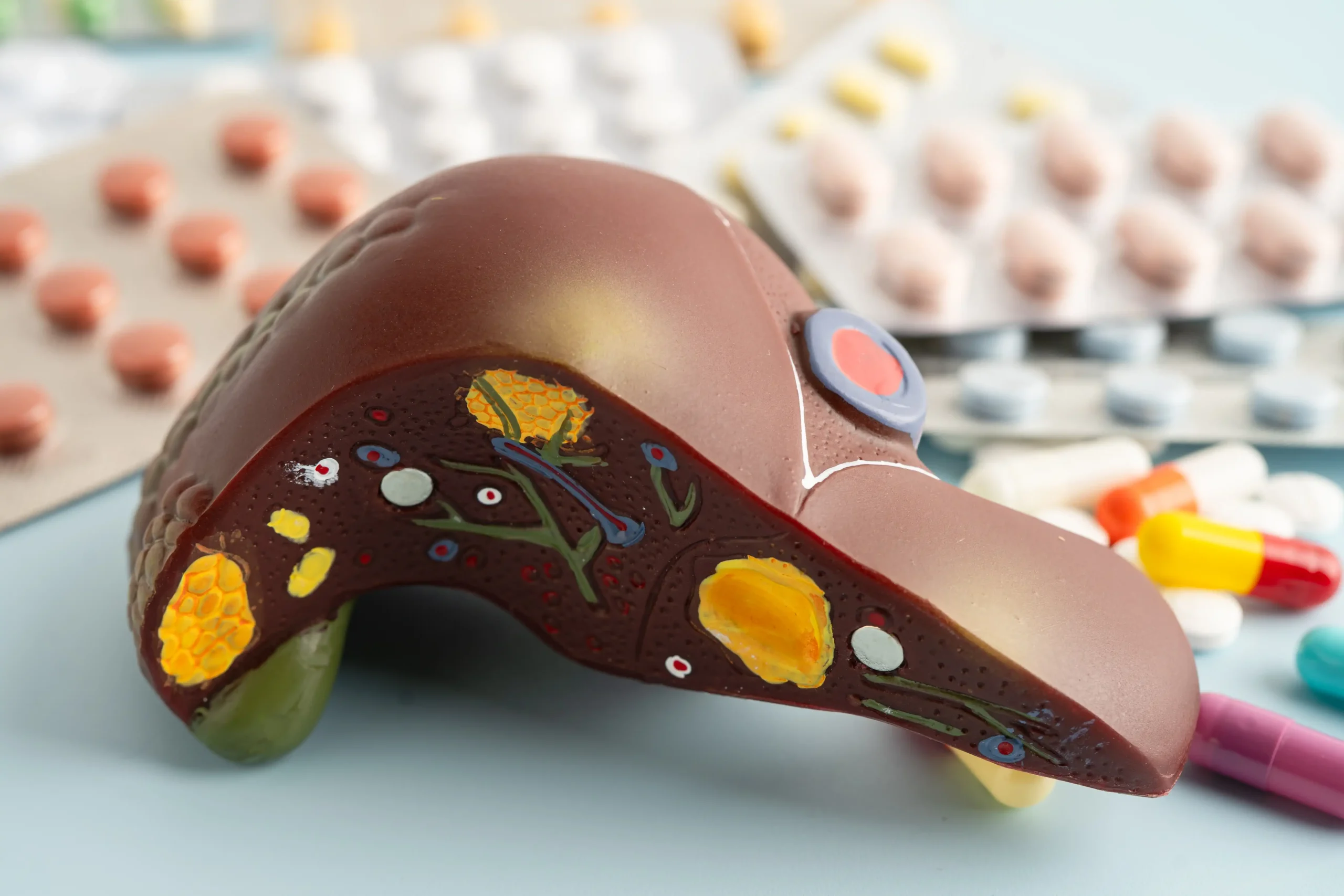
Most people think of the liver as a simple filter that becomes clogged and needs to be “flushed” regularly, which is the assumption much of the detox industry is built on. This ignores the true function of the liver.
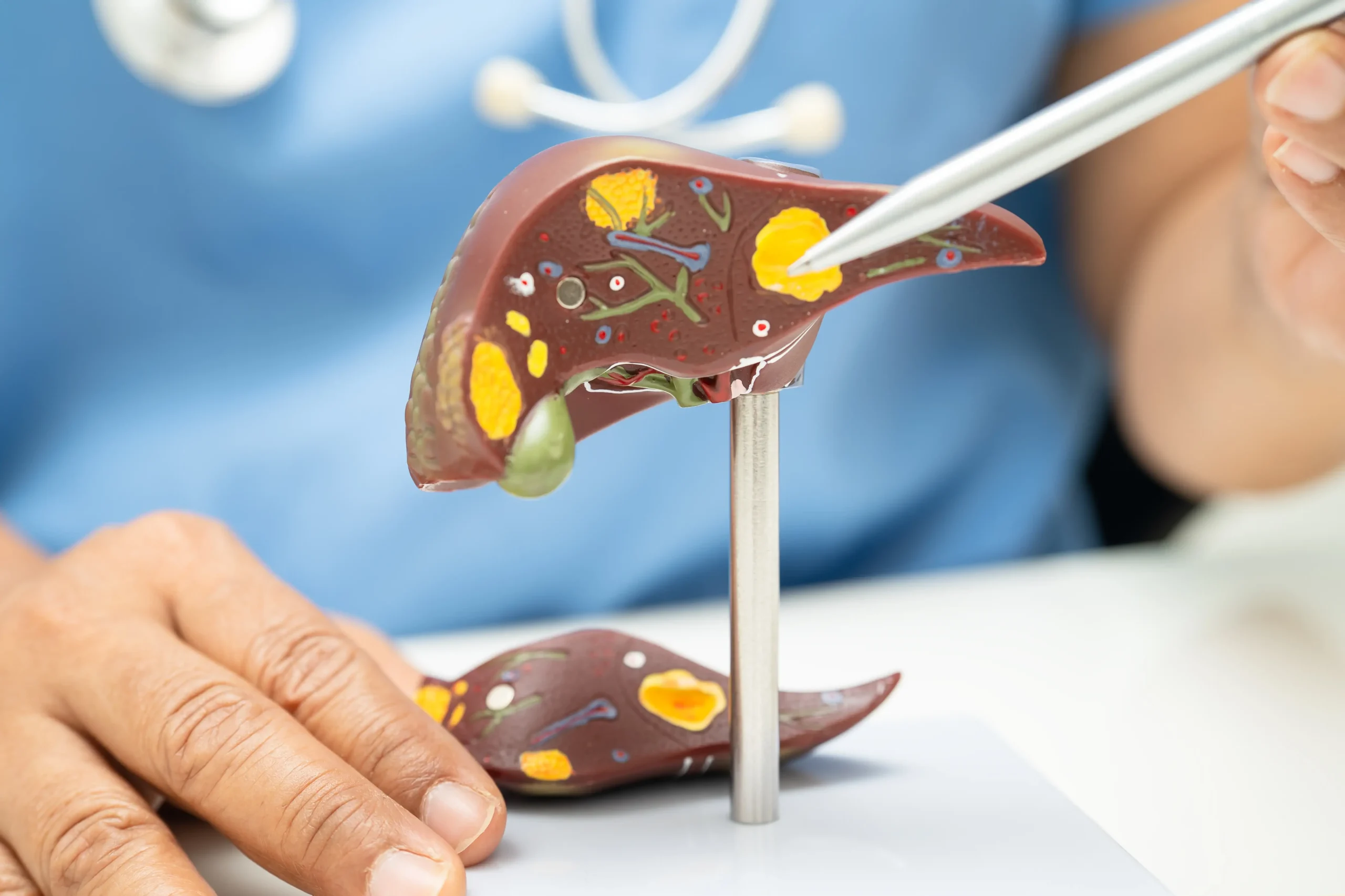
When up to two-thirds of the liver is surgically removed, the remaining portion can regenerate and restore the organ to its original size within months. This is a normal biological response, reflecting the liver’s inherent capacity to repair and rebuild itself. Something many people aren’t aware of.
The cells doing this work are called hepatocytes, the liver’s primary working cells. They can divide and multiply to restore lost tissue on demand. A specific group of these cells, located in what researchers call the liver’s midzone, carries an especially high regenerative capacity. They can produce roughly half of all new liver cells following an injury.
When even those pathways get blocked, the hepatocytes don’t stop. It can revert to a more stem-cell-like state, essentially stepping backward in its own development, and then rebuild into healthy tissue once the right conditions return. Researchers call this the liver’s extraordinary plasticity.
The liver has a contingency plan for nearly every obstacle. What it wasn’t built to handle is running that repair process while simultaneously being flooded with cortisol, synthetic chemicals, fluctuating estrogen, and chronic inflammation all at once. That combination stops liver regeneration.
The Part of Liver Regeneration That Still Surprises Me
When the usual repair route gets blocked, liver cells do something remarkable. They dedifferentiate. They walk backward through their own development, become more stem-cell-like, and then redifferentiate into healthy liver tissue.
Read that twice. Cells that already specialized can un-specialize themselves, hold in that flexible state, and come back as whatever the organ needs next. Very little else in the human body pulls that off.
Your liver knows the job. What it needs from you is an environment where the job can actually get done, and that part sits squarely in your hands.
Why Liver Detoxification Midlife Feels Like a Losing Battle

The liver has been detoxifying the blood every day. No smoothie required. No fourteen-day reset. It processes hormones, medications, environmental toxins, alcohol, stress hormones, and metabolic waste constantly, without outside assistance.
In midlife, that load changes dramatically. Estrogen begins fluctuating in unpredictable ways, and every swing adds to the processing queue. Cortisol runs chronically elevated. Every medication, every synthetic ingredient in a personal care product, every environmental exposure goes through the same system. Liver detoxification midlife is a fundamentally different challenge than what your body was managing in the 30s.
When the toxic load exceeds the liver’s capacity, you feel it everywhere. Mood swings that come from nowhere. Brain fog that lingers regardless of how much sleep you get. Stubborn weight around the middle that doesn’t respond to diet changes. Skin that stays congested no matter what you try.
Adding more protocols, supplements, or steps often makes the problem worse. For women over 40, liver health isn’t about adding more; it’s about reducing strain. You can’t promote regeneration by placing extra demands on a system that’s already operating beyond its capacity.
How to Support Liver Function Naturally: 10 Conditions That Work
Supporting liver function naturally begins with a key principle: the liver doesn’t require additional substances to work effectively. For women, natural liver support focuses less on what you consume and more on reducing harmful inputs, eliminating toxins, and avoiding factors that disrupt liver function. The liver can perform its essential processes efficiently by maintaining a healthy environment.
Here’s what that actually looks like.
- Reduce the toxic load.
Your liver can’t rebuild while it’s constantly processing new damage. Minimize alcohol. Be strategic about medications when you have choices. Choose cleaner personal care products whenever possible. Every reduction of toxins gives your liver more room to do its repair work.
- Regulate your stress response.

Chronic fight-or-flight triggers a flood of cortisol and adrenaline into your liver. Blood flow to the liver drops, and it will slow the regeneration. Three slow breaths before meals. A short walk after dinner. These aren’t optional wellness practices; they’re essential habits.
- Heal your gut.
A leaky gut means toxins that should be excreted are recirculating back into your bloodstream, and straight back to your liver for reprocessing. Supporting your gut lining and microbiome dramatically reduces the burden your liver carries every day. These two systems are tightly linked.
- Feed the process, not the trend.
Cruciferous vegetables like broccoli and Brussels sprouts, sulfur-rich foods like garlic and eggs, and adequate protein give your liver the raw materials it needs for its detoxification pathways. You’re not detoxing with food. You’re fueling work your liver is already doing.
- Take sleep seriously.

Your liver does most of its regeneration work while you sleep. If you’re waking frequently or never reaching deep sleep, your liver can’t complete its repair cycles.
- Make the decisions you have been avoiding.
In Chinese medicine, the liver and gallbladder govern decision-making and the smooth flow of energy through the body. Every avoided decision, every choice held in confusion, creates stagnation, energetically and physically. Clearing what you have been putting off is natural liver support for women that no supplement can replicate.
- Release what is no longer yours to carry.
Old resentments, old patterns, and ways of living that worked in your 30s but are quietly draining now. Your liver is literally trying to clear what no longer belongs in your system.
- Address inflammation at the root.
Chronic inflammation disrupts the signals your liver cells need to regenerate. That means looking beyond your plate at your stress load, your gut health, your sleep, and your toxin exposure. It’s a whole-system problem that needs a whole-system response.
- Keep bile moving.
Your liver produces bile to eliminate toxins and metabolize fats. When bile flow becomes sluggish, often from stress or too few bitter foods in the diet, toxins get reabsorbed instead of eliminated. Bitter greens, lemon water, and daily movement all support healthy bile flow.
- Stop fighting your body’s wisdom.
Your liver knows when to divide cells. It knows when to activate its repair process. Knowing how to support liver function naturally ultimately comes down to this: your job isn’t to force healing. It’s to stop blocking it.
What Liver Health in Midlife Actually Requires
The shift is simpler than any cleanse will tell you. Liver regeneration is already in motion. It runs every night, quietly, without any input from a wellness trend. The women who feel the biggest change aren’t the ones who found the most aggressive approach. They’re the ones who reduced the load, steadied the stress, and finally gave their biology enough room to do what it was always capable of.
That’s what liver health for women over 40 actually looks like, not more or less. It’s consistent and with a great deal more trust in the system that was built to heal.
“If you came into my office, I’d ask you a lot of questions that would help us connect the dots … so that together we can deal with your toxic stress.
Every situation is unique and you need a plan that works for you. Not a one-size-fits-all solution.
If you’re thinking you can’t come into my office, don’t worry. I’ve created a program with all of my initial recommendations to help you unravel the mystery. You can use it at home and at your convenience.
So if you’re thinking that managing chronic stress just isn’t possible … or even the answer … for you, I want to show you what you may be missing.
And how you can identify the toxic stressors that are creating your symptoms with my Human Energy System Reboot. You can get started HERE.” – Dr. Gala