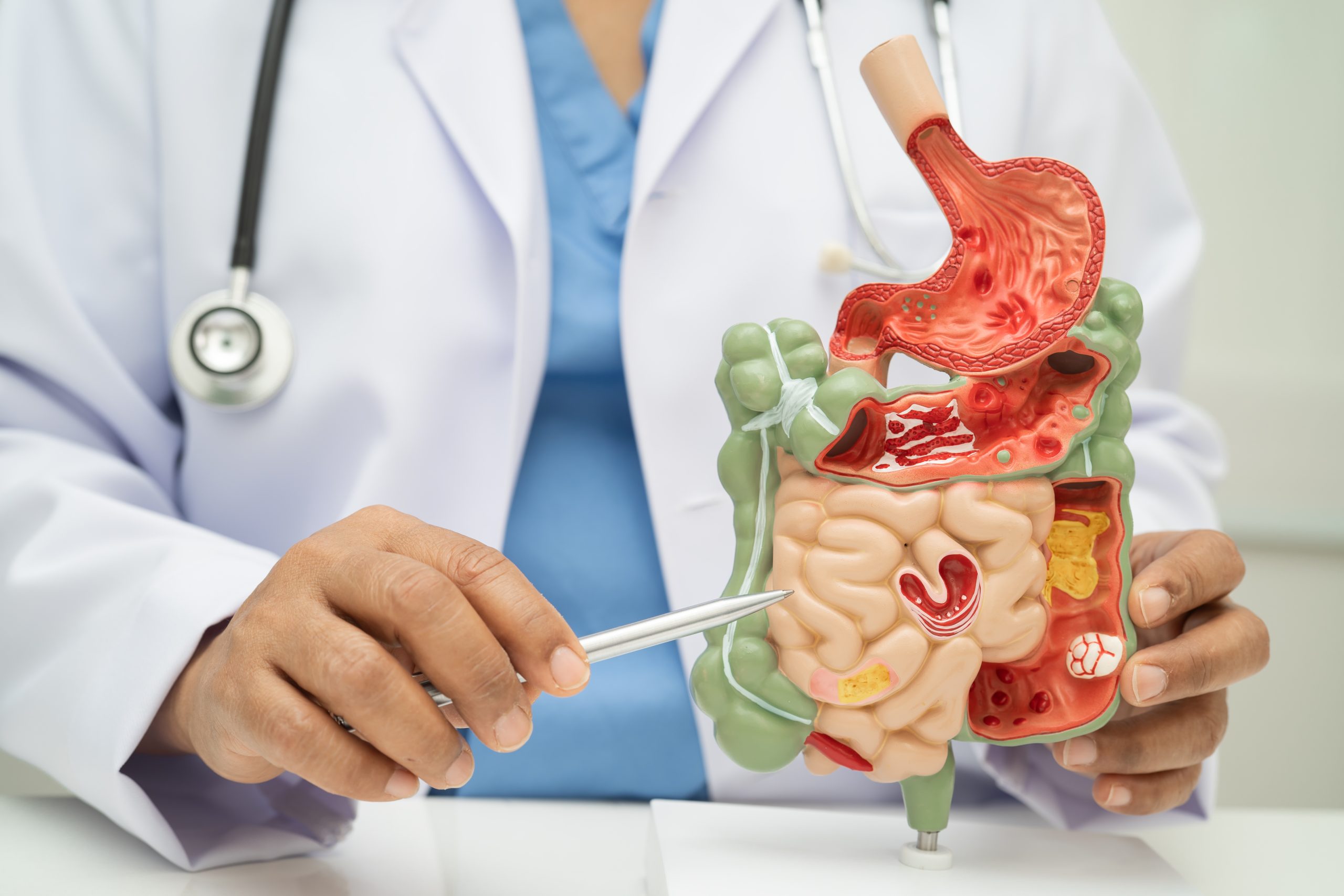
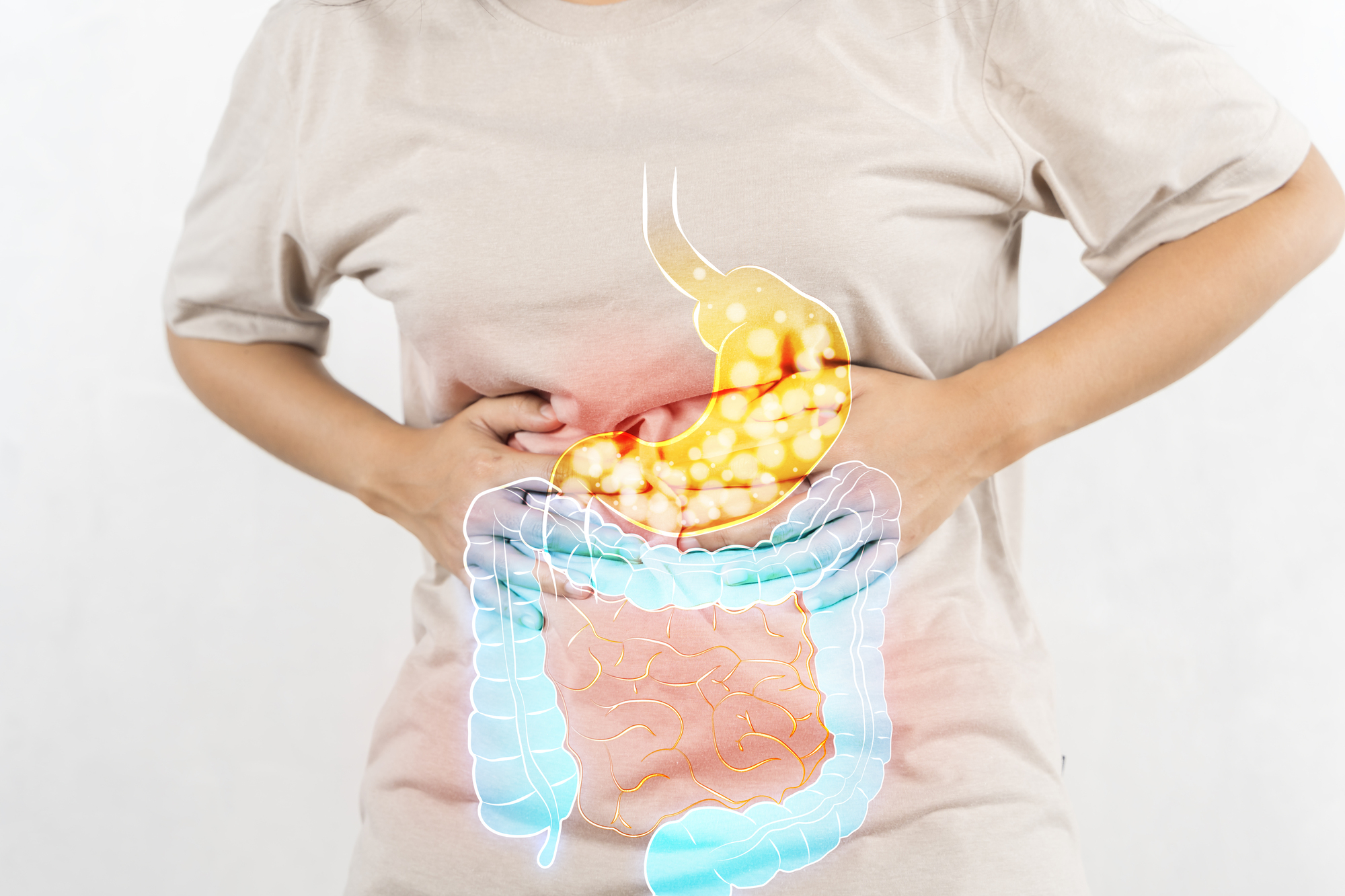
You have been eating all the “right” foods. You check labels. You buy organic. You try to follow the latest health advice. But something still feels off. You are not really sick. You are just uncomfortable. You feel tired after meals instead of full and energized. The bloating is real, but its cause remains a mystery.
For many women in midlife, this quiet struggle with digestion is not what they expect. Their body are asking for more help from digestive enzymes. These are special helpers that make food preparation easier.
The good news is that you do not need to buy enzyme supplements forever to feel better. Many simple, enzyme-rich foods can naturally and gently support gut health and enhance nutrient absorption.
Ask Dr. Gala: Your Wellness Wisdom Starts Here
Can digestive enzymes help reduce bloating?
Yes, and the reason is mechanical rather than mysterious. Food that is not fully broken down moves into the gut still intact, where bacteria ferment it. That is the gas, the pressure, the waistband you want to undo by three in the afternoon. Enzyme production tends to slow with age, and MOLT stress slows it further, which is why the lunch you handled easily at 35 now sits like a rock. Start with food. Papaya, pineapple, and fermented things like sauerkraut do this work naturally. A supplement can carry you through a rough stretch. Use it with an end date.
Understanding Digestive Enzymes
Digestive enzymes are special proteins in your body. They act like tiny scissors that cut your food into smaller pieces. Your body then utilizes these components for energy, repair, and overall well-being. These enzymes start working as soon as food enters your mouth. They keep working all through your gastrointestinal tract, from your salivary glands to your stomach, to your small intestine, and then your large intestine.
Your body makes many kinds of digestive enzymes. Each digestive enzyme has a special job.
- Some break down carbohydrates, like bread or fruit.
- Others break proteins into amino acids.
- Others help digest fats so that your body can use fat-soluble vitamins, such as vitamin A, vitamin D, vitamin E, and vitamin K.
When your digestive function is strong, you break down food well. This supports the growth of good gut bacteria and helps maintain steady digestive health.
But if you have an enzyme deficiency or digestive enzyme deficiencies, food may not break down all the way. Undigested food can sit in your gut and start to ferment. This feeds the wrong type of gut bacteria, which can cause digestive problems such as gas, bloating, loose stools, or constipation.
Common enzyme deficiency symptoms include feeling tired after meals, unexplained weight loss, and nutrient deficiencies that make it harder for your body to absorb what it needs.
The Essential Role of Digestive Enzymes
Every bite of food goes through several steps. Each step uses a different digestive enzyme.
- In your mouth, enzymes from the salivary glands start carbohydrate digestion. Your saliva and digestive juices mix with the food, preparing it for the next step.
- In your stomach, stomach acid and enzymes like pepsin begin to break proteins into amino acids. This also helps your body absorb vitamin B12 and other key nutrients later on.
- In your small intestine, pancreatic enzymes and other enzymes do most of the heavy work. They keep breaking down carbohydrates, proteins, and fats. This is where your body absorbs most nutrients, including fat‑soluble vitamins, vitamin C, and minerals.
When this system works well, food moves smoothly through your gastrointestinal tract. You feel steady energy instead of feeling sleepy or stuffed.
As we age, the body may make fewer digestive enzymes. Stress and inflammation can also slow down the process. Years of consuming a high amount of processed and ultra-processed foods can make it harder for your body to keep up. If you do not have enough enzymes, you may notice enzyme deficiency symptoms like feeling tired after meals, losing weight without trying, or finding that even healthy foods cause discomfort in your stomach.
When Enzyme Deficiency Becomes a Problem
Sometimes, everyday digestive issues are more than “just getting older.” There may be a deeper digestive disorder that needs extra digestive support.
Here are some common problems linked to low digestive enzymes or weak digestive function:
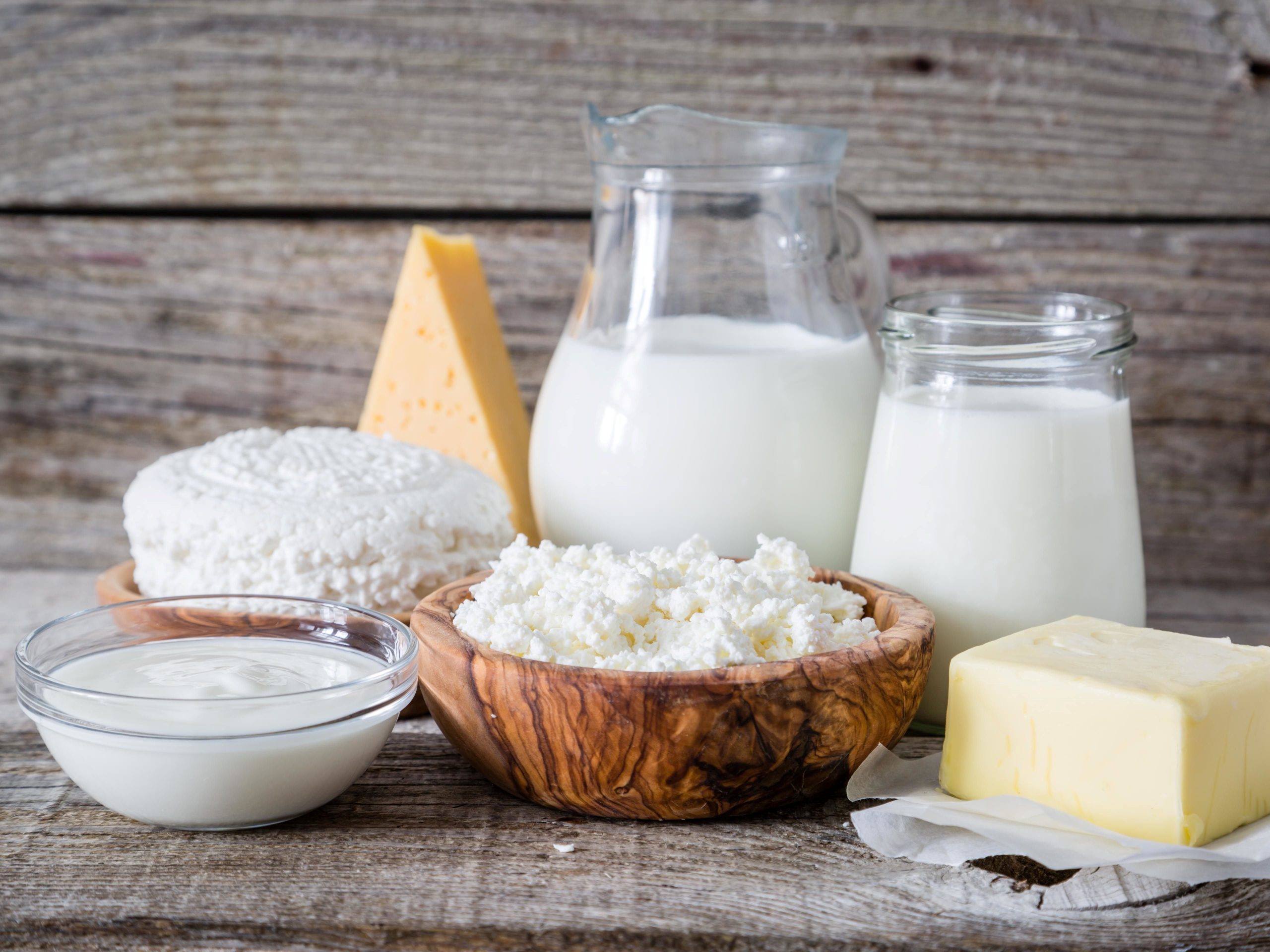
Lactose intolerance: Your small intestine does not make enough lactase. This is the enzyme that breaks down lactose, the sugar found in milk. Dairy foods, such as milk, cheese, or ice cream, can become difficult to digest. You may get gas, bloating, or diarrhea after eating them.
Pancreatic insufficiency and exocrine pancreatic insufficiency: Your pancreas does not release enough pancreatic enzymes. This can happen with chronic pancreatitis or Cystic fibrosis. It can cause weight loss, fatty stools, and trouble absorbing fat‑soluble vitamins.
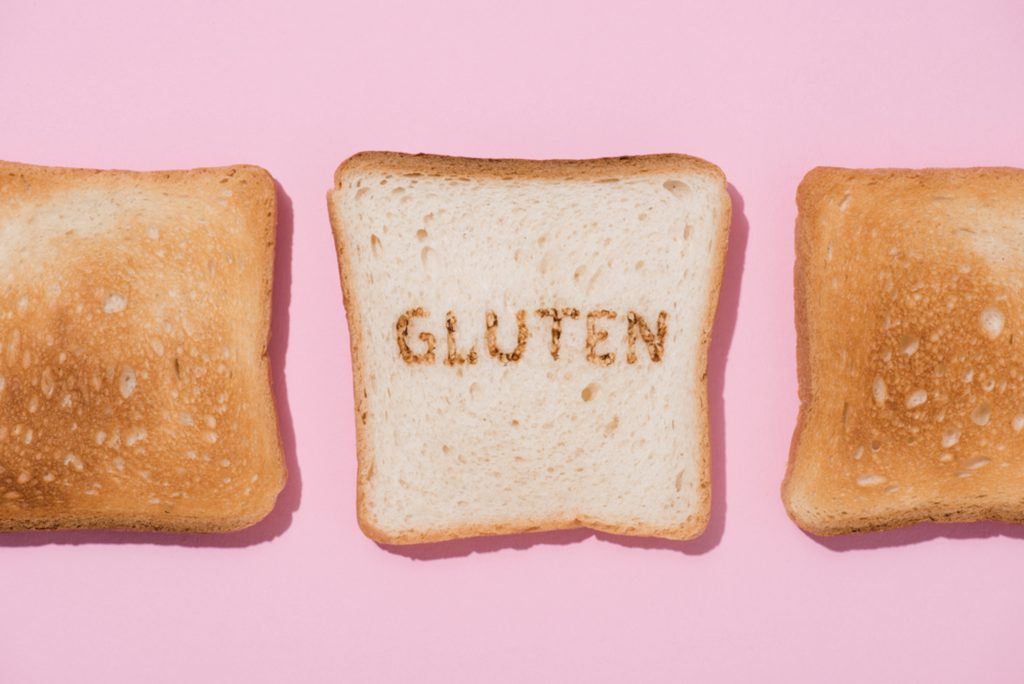
Celiac disease: Your body has a strong reaction to gluten (a protein in wheat, barley, and rye). This can harm the lining of your small intestine. It can cause enzyme deficiency, nutrient loss, and many digestive issues.

Inflammatory bowel disease: Conditions such as Crohn’s disease and ulcerative colitis cause long-term inflammation in the gastrointestinal tract. This can affect enzyme activity, vitamin B12 absorption, and overall digestive health.
Irritable bowel syndrome: This digestive disorder can occur in conjunction with enzyme deficiencies. It can bring cramping, bloating, diarrhea, or constipation.
Doctors may use blood tests, breath tests, stool tests, or imaging to look for enzyme deficiency, celiac disease, inflammatory bowel disease, or exocrine pancreatic insufficiency. The goal is not only to stop the pain or gas, but also to prevent it. It also helps protect long-term digestive health, improves nutrient absorption, and supports maintaining a steady weight and good energy levels.
Natural Ways to Boost Digestive Enzyme Levels
Before taking digestive enzyme supplements or other enzyme supplements, it is wise first to support your body’s own enzymes. Your body is made to heal. Simple, daily choices can significantly improve carbohydrate digestion, protein breakdown, and fat absorption.
Eat More Enzyme‑Rich Foods
Enzyme-rich foods give your body natural digestive support. They help your system function more efficiently over time. Adding these foods to your meals can change how you feel after eating.
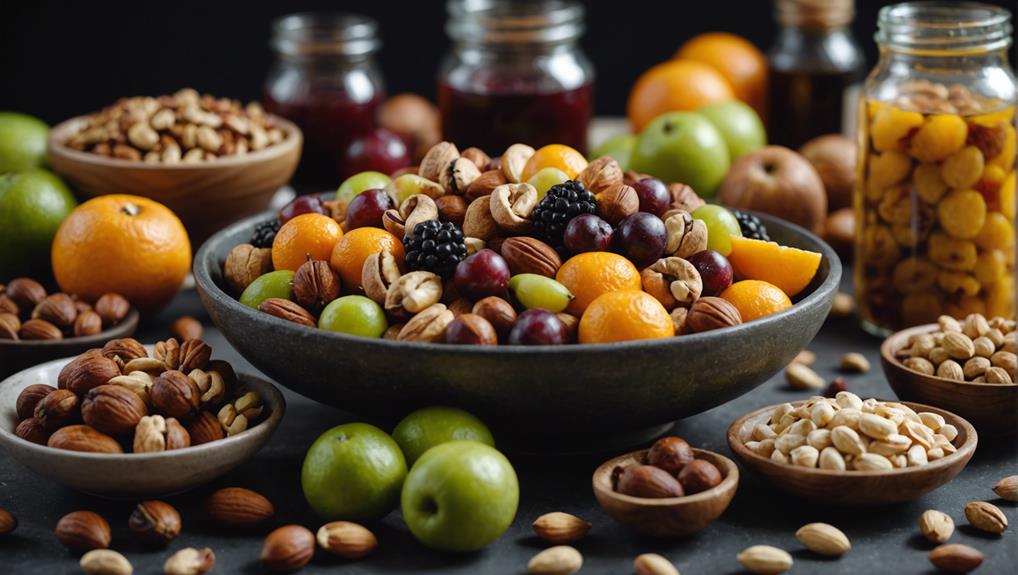
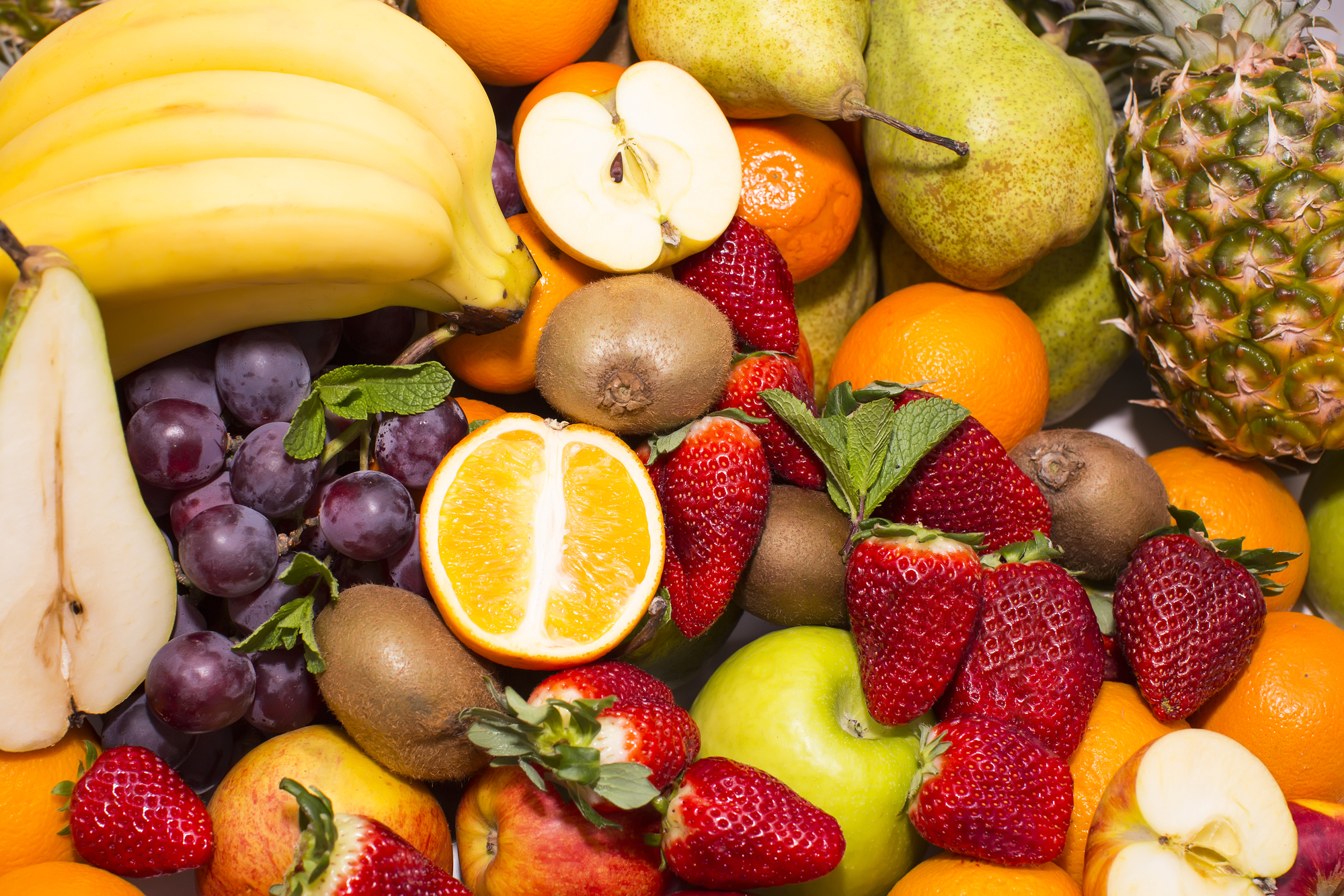
Tropical fruits: Papaya has papain. Pineapple has bromelain. Mango and kiwi also contain natural digestive enzymes. These fruits aid in protein digestion and can help lighten the digestive load. The enzymes work best when the fruit is fresh and ripe, not hard and green.
Fermented foods: Sauerkraut, kefir, kimchi, and miso are full of lactic acid bacteria. These friendly bacteria support gut health and the growth of beneficial gut bacteria. Fermented foods also contain enzymes that help with carbohydrate digestion and support overall digestive function. They are best eaten raw or only gently warmed, because high heat can damage the enzymes.
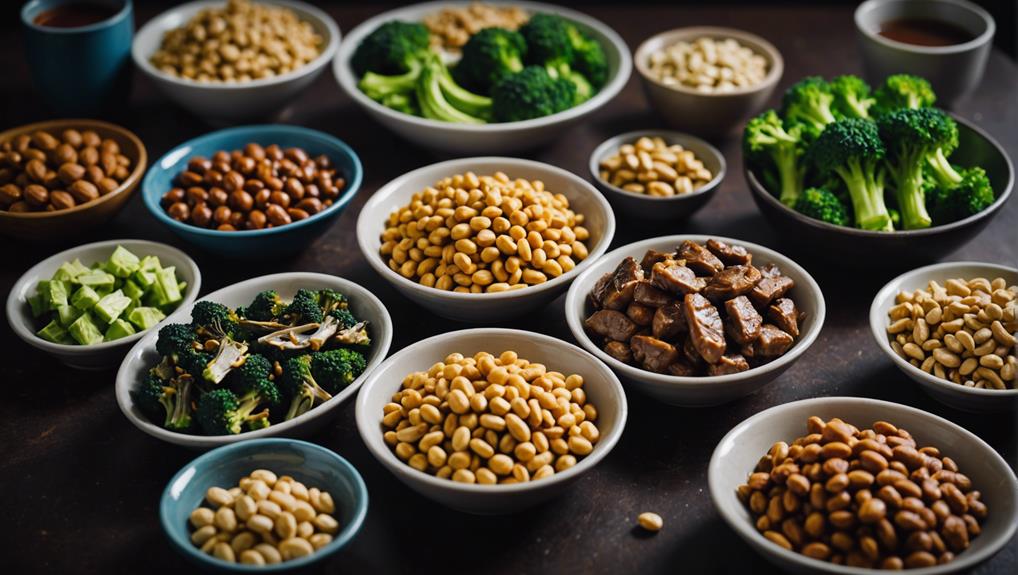
Whole foods and whole grains: Less‑processed foods and whole grains make you chew more. This chewing stimulates the production of more saliva and digestive enzymes from the salivary glands. It helps improve digestion in the stomach and small intestine. Choosing brown rice, oats, quinoa, and whole‑wheat bread instead of white, refined grains makes a big difference.
These enzyme-rich foods can calm common digestive issues. They can support gentle weight loss if needed. They also create a better environment for your gut bacteria, which in turn improves gut health. Over time, you may notice more steady energy and fewer mood swings related to blood sugar and nutrient absorption.
Tame Processed and Ultra‑Processed Foods
Ultra‑processed foods and heavily processed foods can be hard on your digestive system. They are often low in natural digestive enzymes, fiber, and nutrients. They can:
- Overload your digestive juices and digestive enzymes with unhealthy fats, sugars, and additives
- Upset the balance of your gut bacteria and increase swelling and irritation in your intestines
- Make it harder to absorb vitamins like vitamin C, vitamin D, vitamin K, and other fat‑soluble vitamins
Not every packaged food is harmful. However, it’s best to base most of your meals around whole grains, plant-based diets, vegetables, fruits, and fermented foods. This gives your digestive enzymes the best chance to do their job. Even small changes help—like swapping a processed snack for yogurt with fresh pineapple or berries.
Considerations and Cautions with Enzyme Supplements
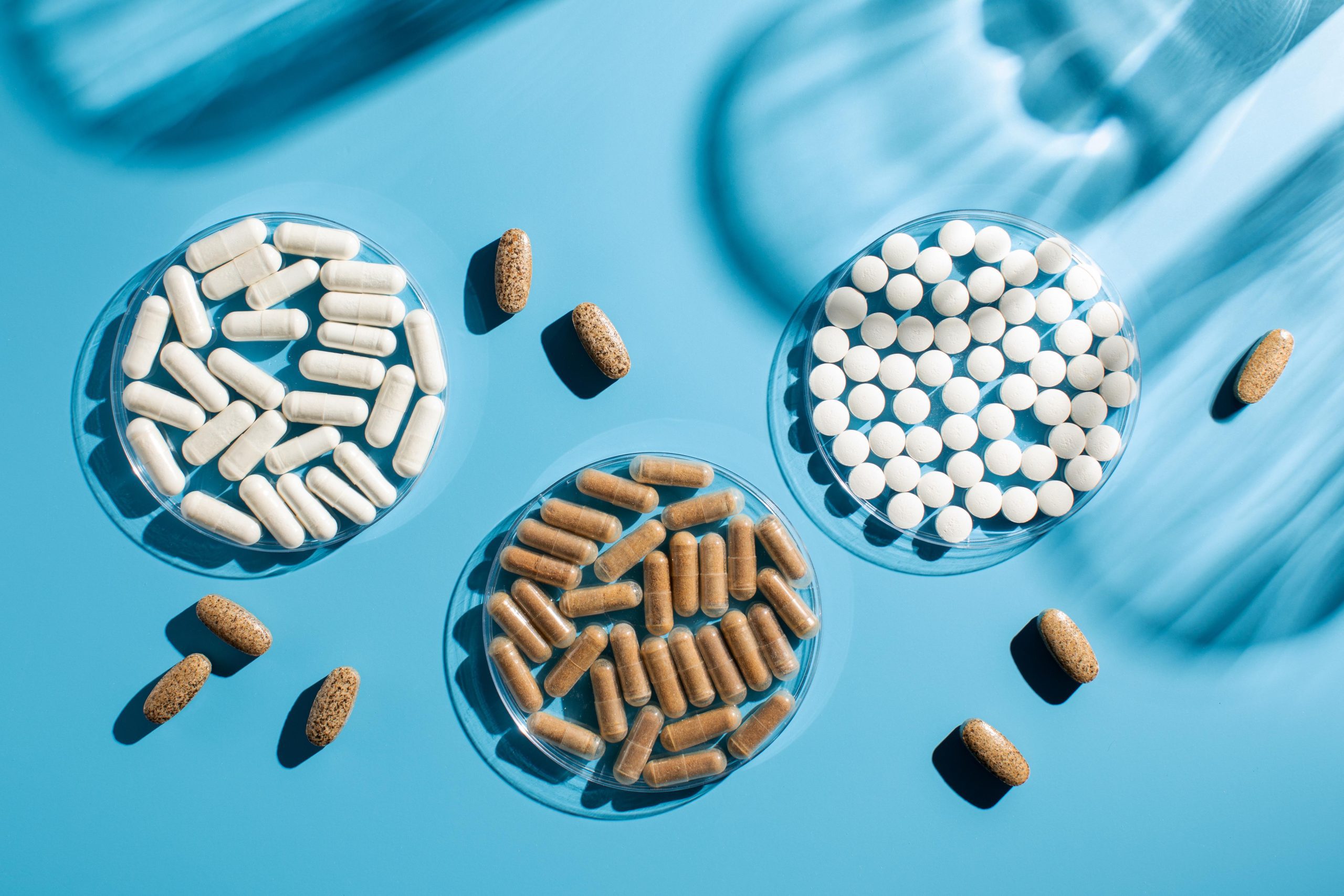
Digestive enzyme supplements and pancreatic enzymes can be beneficial in some instances. But they should not replace your own digestive enzymes forever. It is better to think of enzyme supplements as short‑term digestive support or as a tool for a specific digestive disorder.
When Enzyme Supplements Can Help
With help from a health provider who understands digestive health, enzyme supplements can be helpful when:
- You have a known condition such as chronic pancreatitis, pancreatic insufficiency, exocrine pancreatic insufficiency, or Cystic fibrosis. These problems can reduce enzyme production, leading to weight loss, nutrient deficiencies, and fatty stools.
- Lactose intolerance has been clearly established, and a lactase supplement is used occasionally with dairy meals. You can still work on improving overall digestive function and gut health simultaneously.
- You have functional indigestion or mild digestive issues. A short-term multi-enzyme blend may be used to help your body digest more easily.
Studies show that when chosen carefully, enzyme supplements can help alleviate belly pain and other digestive issues. They can also enhance sleep and quality of life, with few side effects. The dose, timing with meals, and blend all matter, especially if you have irritable bowel syndrome, inflammatory bowel disease, or multiple digestive issues.
Use Enzyme Supplements Wisely

Digestive enzyme supplements are powerful tools. They should be used with care. Taking them too often or taking the wrong kind can:
- Upset your body’s natural digestive rhythm and slow your own enzyme production.
- Hide deeper problems like celiac disease, inflammatory bowel disease, or exocrine pancreatic insufficiency that need medical care.
- Cause new digestive issues or discomfort if the blend does not meet your needs.
If you think you have an enzyme deficiency, chronic pancreatitis, or another digestive disorder, talk to a healthcare professional. They can order blood tests, breath tests, or imaging. They can also guide you on whether pancreatic enzymes or other enzyme supplements are needed. Short‑term use, along with lifestyle changes and enzyme-rich foods, usually works better than long‑term use.
Beyond Food: The Role of Stress
Eating more enzyme-rich foods, choosing whole grains over processed ones, and using enzyme supplements wisely are all great steps. They all support nutrient absorption, ease digestive issues, and maintain strong gut health. However, there is one more factor that matters significantly: stress.
Stress can change how your digestive system works. It can lower stomach acid, slow down movement in the large intestine, disrupt gut bacteria, and upset digestive function throughout the entire gastrointestinal tract. Fat buildup and digestive problems are just a few ways stress affects the body in midlife.
Lowering stress can make midlife feel much easier. Simple steps, such as gentle exercise, deep breathing, improved sleep, and taking breaks during the day, can help. When stress levels decrease, digestive enzymes function more effectively. Gut bacteria become more balanced. Nutrient absorption improves.
Your Path Forward
Think back to that heavy feeling after dinner, when you were eating “healthy” but still felt bloated and tired. Now you know how digestive enzymes help your gut. You know which enzyme-rich foods support gut health and nutrient absorption. You also see why the best plan is to feed your body well instead of relying on enzyme supplements forever.
Digestive health comes from small, steady choices. You might add more papaya, pineapple, or fermented foods. You might slowly cut back on ultra‑processed foods. You might talk with a provider about short‑term digestive enzyme supplements if you need extra help. Each step supports better digestive function and more energy.
When you discover what truly nourishes your digestive system, things begin to fall into place. You can support gut bacteria, ease enzyme deficiency symptoms, and feel lighter after meals. You do not have to do this alone. You can explore holistic digestive support, request tests when needed, and select programs that work from the inside out. Your gut, your gut bacteria, and your whole body can start working with you again.
You deserve a calm, comfortable digestive system in midlife and beyond. Choose gentle, root‑cause digestive support and learn how to restore your balance naturally—without extreme diets or strict, unsustainable rules.
“If you came into my office, I’d ask you a lot of questions that would help us connect the dots … so that together we can deal with your toxic stress.
Every situation is unique and you need a plan that works for you. Not a one-size-fits-all solution.
If you’re thinking you can’t come into my office, don’t worry. I’ve created a program with all of my initial recommendations to help you unravel the mystery. You can use it at home and at your convenience.
So if you’re thinking that managing chronic stress just isn’t possible … or even the answer … for you, I want to show you what you may be missing.
And how you can identify the toxic stressors that are creating your symptoms with my Human Energy System Reboot. You can get started HERE.” – Dr. Gala