
Mineral deficiencies can become a big problem for women as they age, especially during and after menopause. These deficiencies might not always be easy to notice, but they can affect daily life differently. Many women in midlife have mineral deficiencies without knowing that they can cause tiredness, muscle cramps, and mood changes.
This blog will discuss the signs of mineral deficiency that many women face as they age. We’ll examine why these problems happen and how nutrition, vitamin D supplements, and vitamin C supplements can help support your health. We’ll also share some alternative medicine ideas that may help with diseases. Plus, we’ll give tips on using dietary supplements safely to fill any gaps in your diet.
Ask Dr. Gala: Your Wellness Wisdom Starts Here
Can a mineral shortfall explain symptoms you have been blaming on menopause?
Yes, and it is one of the most common things I find when a woman has felt off for a year and her labs came back normal. After 50 you absorb less, you often eat less, and several everyday medications drain minerals as a side effect. A mineral deficiency then shows up as ordinary complaints. Cramps and broken sleep point at magnesium, fatigue and breathlessness at iron, fragile bones at calcium, slow healing and dull taste at zinc, and cold, sluggish, thinning hair at iodine. Test before you supplement. They compete for absorption, so loading one can starve another.
Why Are Mineral Deficiencies Common in Women Over 50?
When women reach their 50s, their bodies begin to undergo significant changes that affect how well they absorb and use minerals. One big reason for this is menopause. As hormone levels shift, it becomes harder for the body to process certain minerals the way it used to. Diet plays a big role, too. Many women in midlife don’t get enough minerals their bodies need to stay strong and healthy. This can lead to different kinds of nutrient deficiencies. While vitamins C and D are often the focus, it’s important not to overlook other minerals like iron, magnesium, calcium, zinc, and iodine.
Vitamin D deficiency becomes especially important during this stage of life, as women are at a higher risk for vitamin D deficiency. Missing out on this key nutrient can raise the risk for long-term health problems like osteoporosis, heart disease, and even some cancers. Vitamin D levels tend to decrease as we age or spend less time outdoors. That’s why it’s smart to check your vitamin D levels, especially if you reside in an environment that doesn’t get much sunlight. Research studies including the National Health and Nutrition Examination Survey, show that many people don’t get enough vitamin D. This can lead to serious problems, like weak bones. It can also make your immune system weaker. Keeping your vitamin D levels healthy is important for your overall health.
Functional Medicine: Understanding Mineral Deficiency and Its Impact on Health
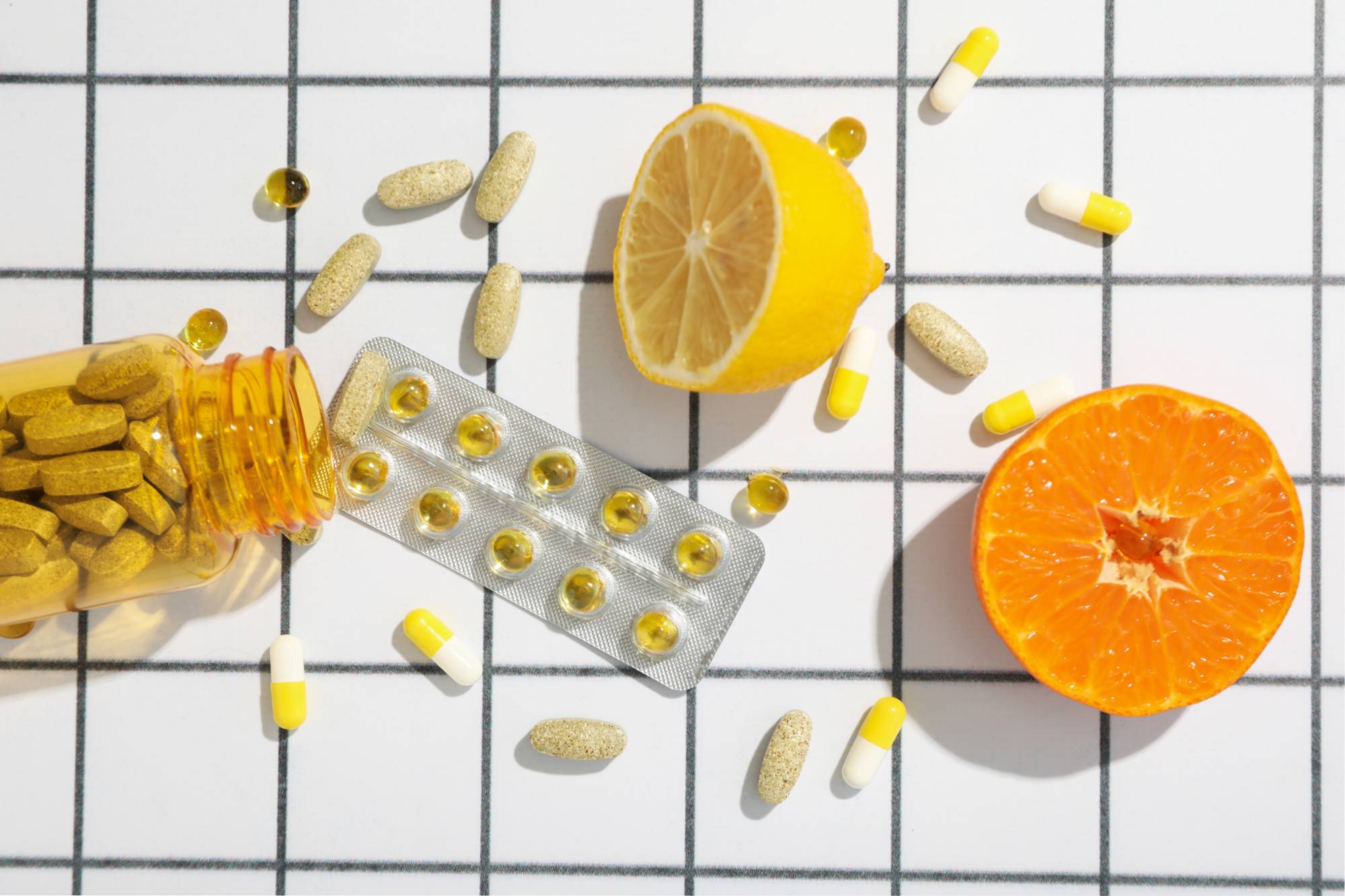
In functional medicine, experts say that minerals are essential for how the cells in your body work. They help with many processes, like digestion and detoxification. If you are missing even one key mineral, it can cause problems. This is especially true during midlife when your hormones are already changing. Instead of treating symptoms in isolation, functional medicine looks for deeper imbalances.
Minerals like magnesium and calcium:
- Don’t just strengthen bones and muscles
- Support cellular communication throughout the body
- They are critical for energy, mood, and sleep quality
Symptoms like fatigue, brain fog, or muscle cramps may:
- Reflect deeper nutritional or metabolic imbalances
- Be linked to deficiencies that standard tests often miss
- Require bloodwork and functional assessments for proper identification
Key nutrients like vitamin C and zinc:
- Support immune response and tissue repair
- They are essential for healthy aging
- Work more effectively when zinc is paired with quercetin, which enhances its absorption at the cellular level
Here are some of the most common mineral deficiencies in women and the symptoms to watch for:
Iron Deficiency: Fatigue and More
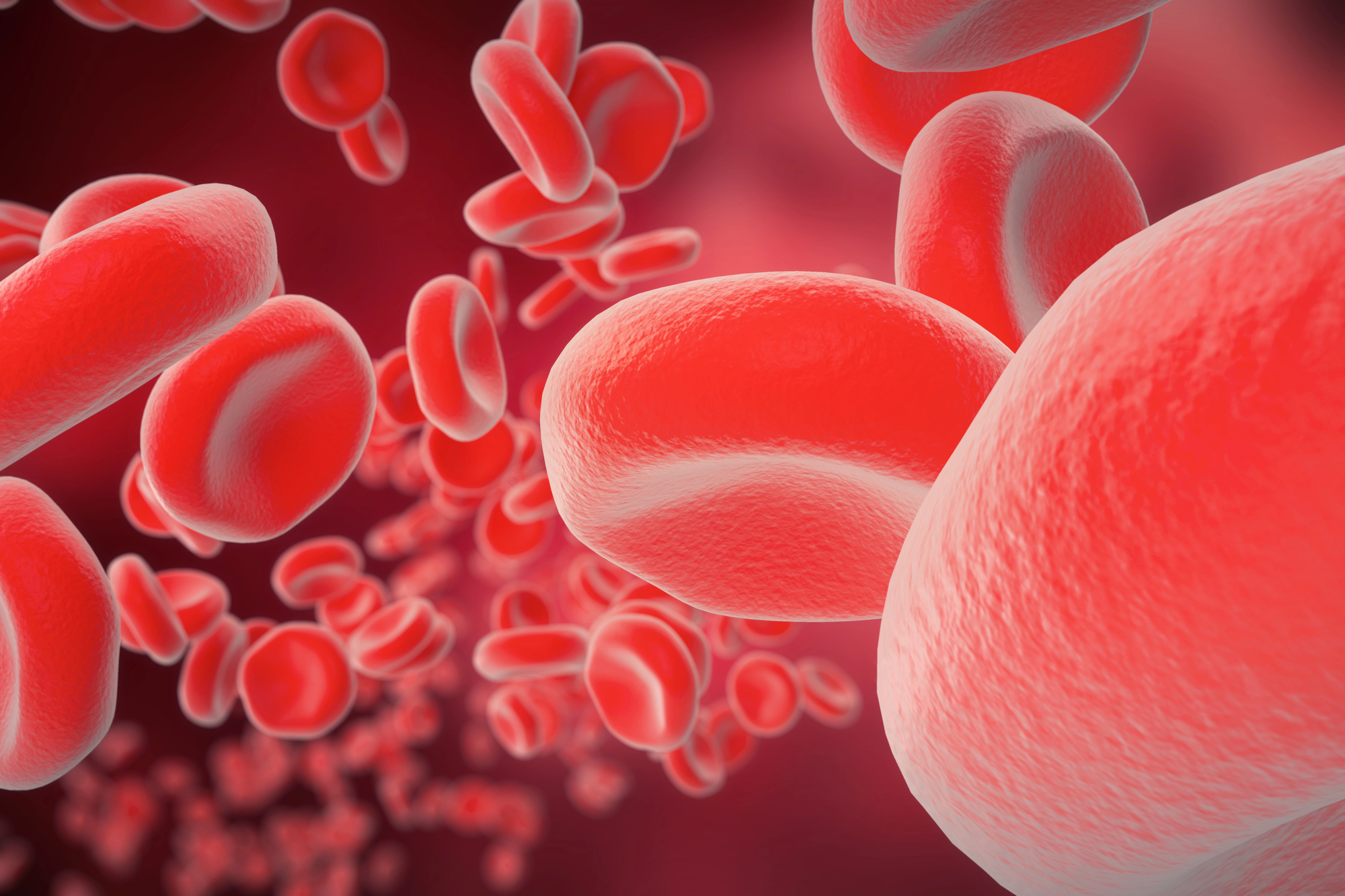
Iron deficiency is one of the most common mineral deficiencies in women. It affects up to 30% of menstruating women. Even after menopause, iron levels can still be low, leading to issues like fatigue, weakness, and cognitive problems. This is often called iron deficiency anemia (Source: National Institutes of Health).
Symptoms of Iron Deficiency:
- Fatigue and weakness, often so severe that it affects daily activities
- Pale skin and brittle nails
- Shortness of breath and dizziness
- Irritability and poor concentration
Iron is essential for producing hemoglobin, the oxygen molecule in red blood cells. When you don’t have enough iron, your body struggles to deliver oxygen to tissues, leading to fatigue that many women experience in midlife.
Smart Supplement Strategy:
Iron supplements can be beneficial if you’re deficient. However, taking too much iron can cause issues. In this way, supplements are essential only after a blood test confirms your deficiency. Iron-rich foods include red meat, poultry, lentils, beans, and fortified cereals. Vitamin C helps with iron absorption. So pair these foods with vitamin C supplements, or with vitamin C-rich options like citrus fruits or bell peppers.
Magnesium Deficiency: Muscle Cramps and More

Magnesium deficiency is another common concern, especially in mature women. As people get older, the risk of magnesium deficiency goes up. Some medicines, like diuretics, can make this problem worse. These medicines are often given to older adults. (Source: Journal of the American College of Nutrition)
Symptoms of Magnesium Deficiency:
- Muscle cramps and spasms, especially in the legs
- Insomnia and anxiety
- Irregular heartbeat
- Increased sensitivity to stress
Magnesium supports numerous essential body functions. It smooths out muscle movements, keeps nerves working as they should, and controls blood sugar levels and blood pressure. If women don’t get enough magnesium, they might have more muscle tension, trouble sleeping, or even heart palpitations.
Support Your Body Naturally:
Magnesium supplements can improve sleep and ease muscle cramps. Foods like spinach, almonds, and avocados are excellent sources of magnesium. If you opt for supplements, ensure you’re getting a balanced amount. Why so? Excessive magnesium can lead to digestive upset.
Calcium Deficiency: Weak Bones and More
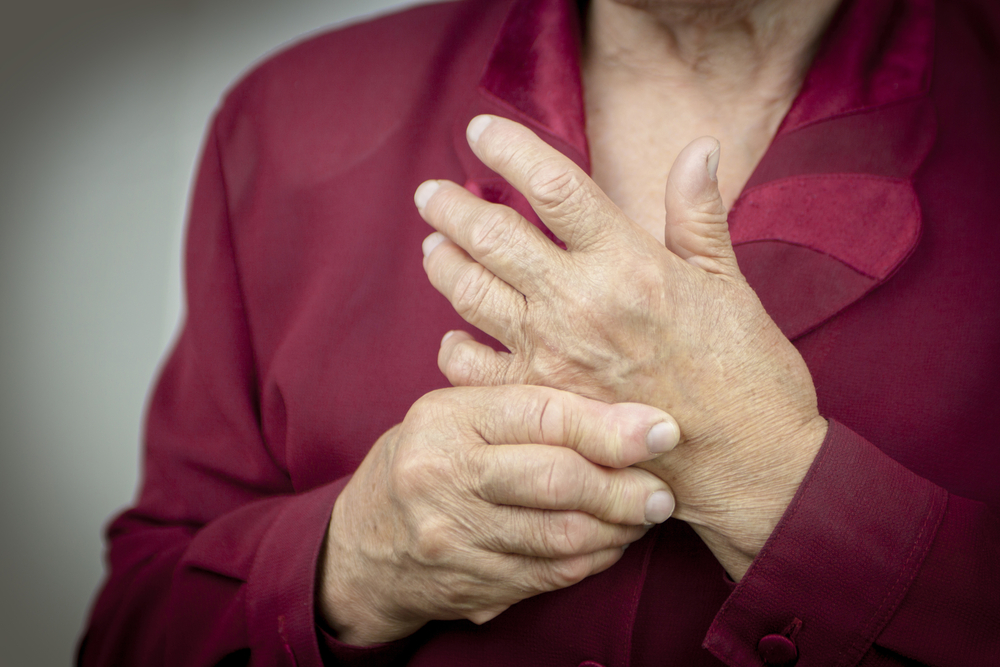
Calcium is among the most well-known mineral deficiencies, especially in postmenopausal women. This mineral is essential for bone health. Calcium deficiency can cause bones to become fragile and more prone to fractures, increasing the risk of osteoporosis. A study in Osteoporosis International looked at how calcium affects bone health. It showed that getting enough calcium is very important for women during and after menopause. Calcium can come from both food and supplements. Without enough, bones can become weak and more likely to break.
Symptoms of Calcium Deficiency:
- Fragile bone structure and an increased susceptibility to fracture
- Muscle aches and numbness
- Dental problems like weakened enamel and cavities
Calcium is necessary for maintaining strong bones. However, it also affects muscle function, heart health, and nerve signaling. Unfortunately, as we age, our ability to absorb calcium decreases.
Strengthen from the Inside Out:
It’s best to get calcium from food sources. Examples include dairy, leafy greens, and fortified plant-based milk. But if your dietary intake isn’t enough, supplements can help. Vitamin D supplements are often recommended with calcium because they help your body absorb it better. D3 is the active form that your body uses most efficiently among the different types of vitamin D. It helps keep your vitamin D levels at a healthy range. Though vitamin D2 is an alternative, studies suggest that vitamin D3 is more efficient in raising vitamin D levels and helping the body absorb it more easily.
Zinc Deficiency: Immune Support and More
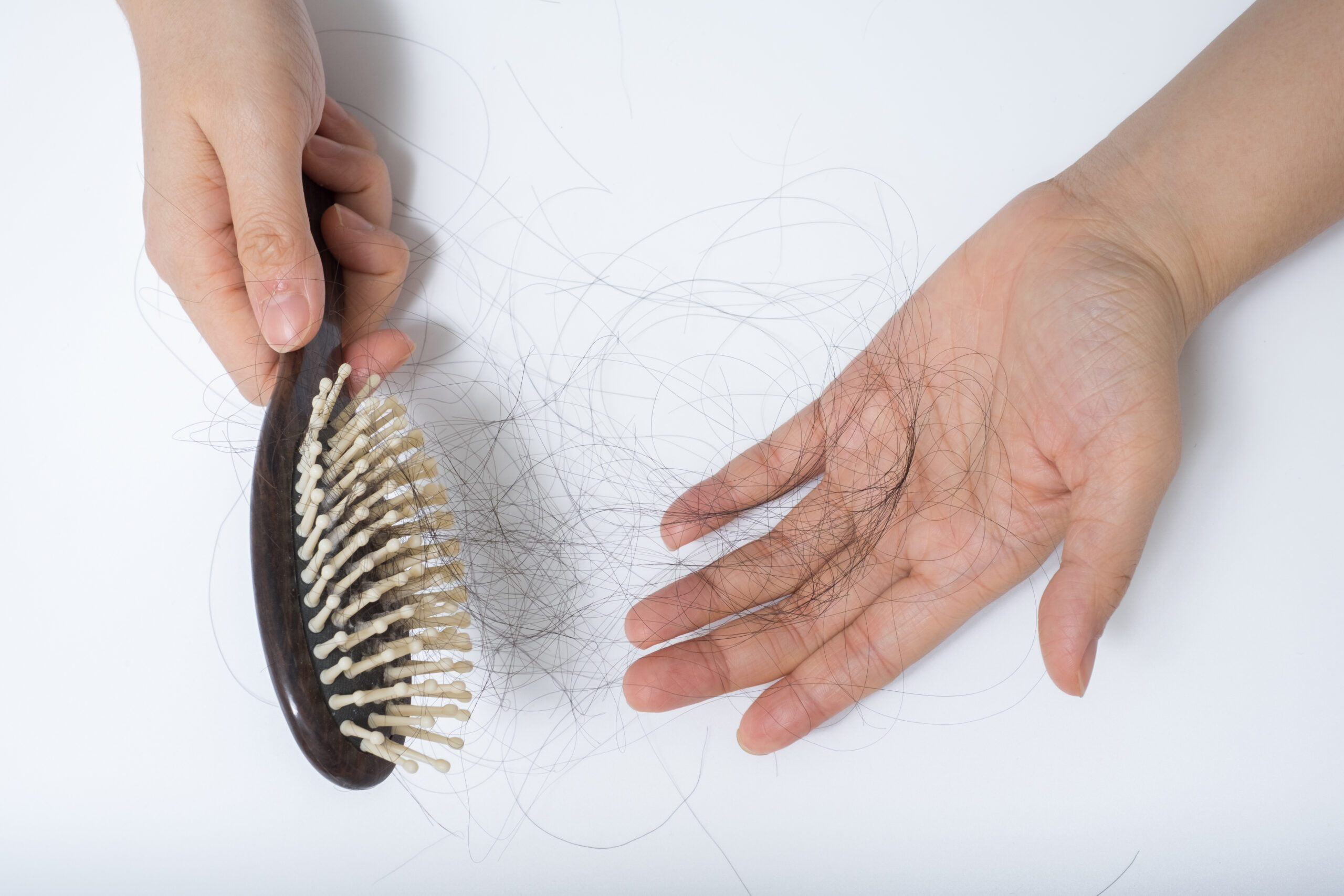
Zinc is another mineral that many older women lack. It’s necessary for maintaining immune function, aiding wound healing, and supporting cell division. As women age, their ability to absorb zinc decreases. In the same condition, their dietary intake often falls below recommended levels. This puts them at risk for deficiency (Source: The American Journal of Clinical Nutrition).
Symptoms of Zinc Deficiency:
- Weakened immune system, leading to frequent illnesses
- Hair loss and slow wound healing
- Loss of taste and appetite
Zinc is essential for the body’s immune defense and helps protect against infections. A deficiency can leave people more vulnerable to colds, flu, and infections.
Immune-Savvy Choices:
Zinc supplements can help restore your immune system’s function. Before adjusting your dosage, always seek advice from your healthcare provider. Meat, shellfish, beans, and nuts are all excellent sources of zinc. Certain natural compounds in food, like quercetin found in apples or green tea, can help zinc work more effectively in the body.
Iodine Deficiency: Thyroid Health and More
Thyroid hormones, which manage metabolism and energy, depend on iodine for production. Many midlife women face iodine deficiency, which can cause thyroid problems, fatigue, weight gain, and mood changes. Low iodine levels can also cause an enlargement of the thyroid gland. This commonly called as a goiter.
Symptoms of Iodine Deficiency:
- Thyroid problems and goiter (swelling of the neck)
- Fatigue and weight gain
- Cognitive issues and mood changes
Proper thyroid function depends on adequate iodine levels. Without enough, metabolism can slow down, causing weight gain, tiredness, and cognitive fog.
Thyroid-Conscious Solutions:
Monitor your basal body temperature, as a low temperature can be a sign. Topical iodine solutions or iodine-rich foods like seaweed can help if you are deficient in iodine. However, be cautious about supplementation, as too much iodine can cause thyroid imbalances.
How to Supplement Wisely: A Whole-Body Approach to Nutrition
As a woman in midlife, paying attention to your mineral intake is essential. Supplements can be helpful, but they should be approached carefully and wisely. Alternative medicine and natural remedies, such as herbal supplements and balanced nutrition, should complement each other.
Don’t rely solely on supplements to fill the gap regarding mineral deficiency. Aim to get as many nutrients as you can from whole foods. For women in colder climates or those who don’t spend much time outside, vitamin D supplementation is essential. While the sun supports vitamin D production, you might still fall short without other sources.
Weather, lifestyle, and other conditions may limit sunlight exposure. This is where vitamin D supplements come into play, and the dose you need is worth getting right.
Observational studies have shown that most women don’t get enough vitamin D through diet alone. This justifies why many are advised to take a daily vitamin. Studies have shown insufficient vitamin D can lead to weak bones and other health problems. If you’re worried about your bone health, bone mineral density tests can give you essential information about your calcium and vitamin D levels.
Vitamin D3 is often recommended over vitamin D2 in dietary supplements for its superior bioavailability. By raising blood levels of vitamin D more effectively, Vitamin D3 plays a key role in enhancing bone health and immune function.
Following the recommended guidelines for supplementation is essential to avoid vitamin D toxicity. Getting too much vitamin D can cause problems like kidney stones, which happen when calcium builds up in your blood. Don’t take extra without knowing what your body needs. Ask your healthcare provider before changing your dose.
Final Thoughts: Balance Your Supplements and Nutrition
Mineral deficiencies are common, especially in women going through menopause or postmenopause. While supplements can be an essential tool for filling gaps in nutrition, they should be used wisely. Be mindful of over-supplementation. Always consult your healthcare provider before starting new vitamins or minerals.
Leafy greens, nuts, seeds, and lean proteins are excellent food choices to fuel your body with essential nutrients. Pairing these foods with mineral supplements can enhance your bone, muscle, and immune health. Supplements like vitamin D and vitamin C help give your body an extra boost. And consider exploring alternative medicine to support your overall well-being during midlife and beyond.
“If you came into my office, I’d ask you a lot of questions that would help us connect the dots … so that together we can deal with your toxic stress.
Every situation is unique and you need a plan that works for you. Not a one-size-fits-all solution.
If you’re thinking you can’t come into my office, don’t worry. I’ve created a program with all of my initial recommendations to help you unravel the mystery. You can use it at home and at your convenience.
So if you’re thinking that managing chronic stress just isn’t possible … or even the answer … for you, I want to show you what you may be missing.
And how you can identify the toxic stressors that are creating your symptoms with my Human Energy System Reboot. You can get started HERE.” – Dr. Gala