
You wake up tired, dragging through the day, wondering why your body didn’t have the energy it used to. No big symptoms. No clear warnings. Just a slow decline you couldn’t explain.
You were eating “healthy,” checking labels, buying organic, following the latest trends, but something felt off. Not sick, exactly, just not right. The tiredness was real, but the cause stayed hidden.
For many women, this slow energy drain isn’t what they think it is. It’s their heart quietly asking for the proper food diets to feed it. But here’s the truth that changes everything: the healthy foods to eat every day aren’t hard to find. They’re ordinary, budget-friendly foods, and finding the best diet for a healthy heart doesn’t mean giving up your favorite foods.
Ask Dr. Gala: Your Wellness Wisdom Starts Here
Yes, everyday food choices can significantly protect your heart without drastic restrictions. Building meals around vegetables, fruits, whole grains, lean proteins like fish and beans, and healthy oils naturally lowers blood pressure and choresterol. Simple swaps like choosing oatmeal over sugary cereal, using olive oil instead of butter, and adding more colorful vegetables can reduce cardiovascular disease risk by up to 30% when maintained over time.
Understanding Heart-Healthy Food Diets
Heart-healthy diets are made to lower blood pressure, manage cholesterol, and protect your heart in the long run. These aren’t quick-fix diets. They’re eating plans backed by real science that can change your energy and protect your heart.
The American Heart Association states that long-term heart health isn’t about following a single rule or meal. It’s about the pattern of daily choices you make. This means balancing what you eat with how much you move. It means building meals around vegetables, fruits, whole grains, lean proteins, and healthy oils. And it means cutting back on added sugar, salt, and saturated fats.
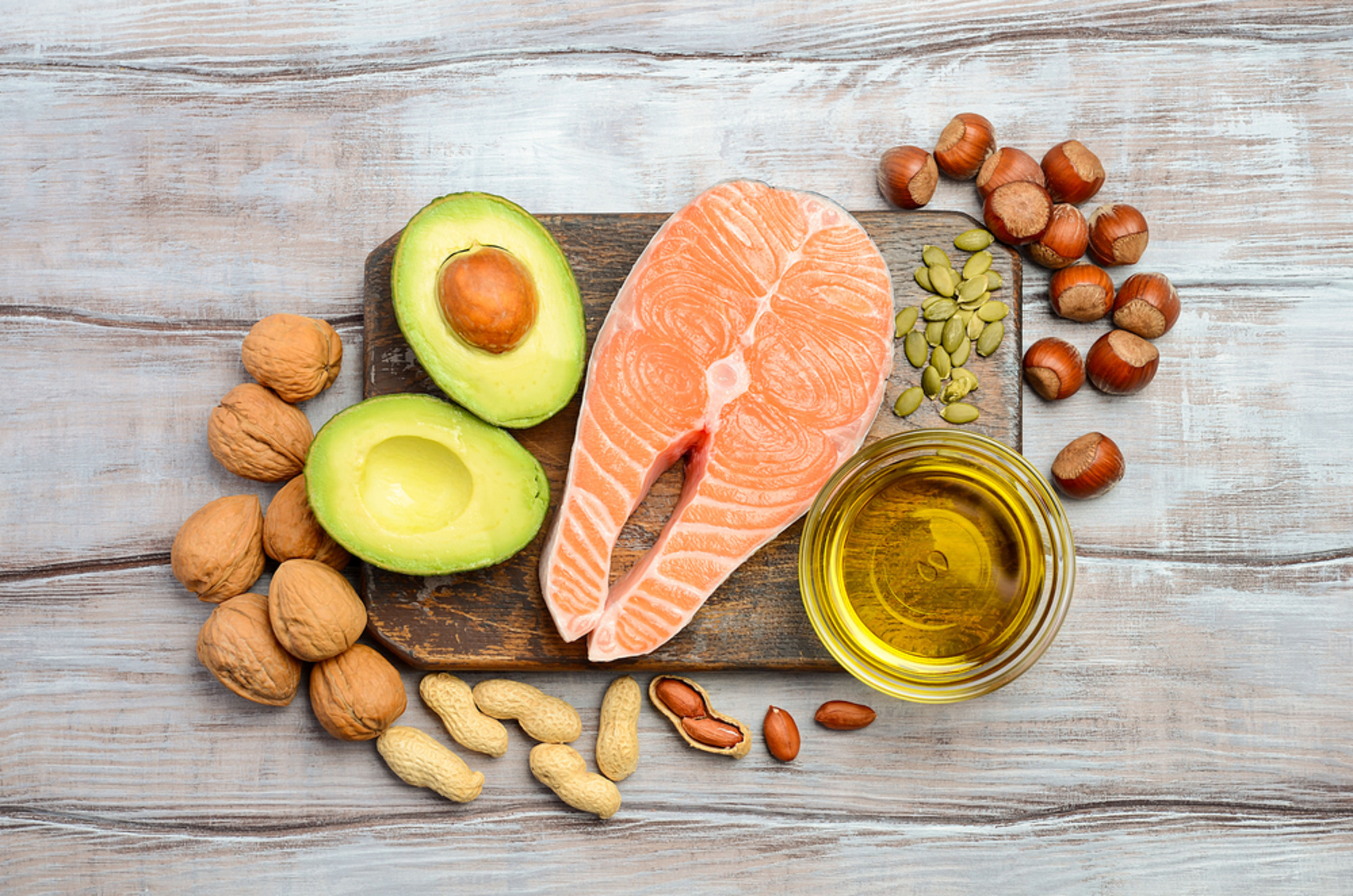
Research shows that individuals who consumed more fruits, vegetables, whole grains, unsaturated fats, nuts, legumes, and low-fat dairy products were more likely to age in a healthy manner. Women who follow heart-healthy diets in midlife are about 17% less likely to have memory loss and other brain problems decades later.
The Four Best Food Diets for Heart Health
DASH Diet

The DASH diet is designed to help your heart and naturally lower blood pressure. This diet includes foods that are low in salt and high in potassium, such as fruits, vegetables, whole grains, fatty meats, and low-fat dairy products. Studies show that the DASH diet lowered blood pressure within two weeks of starting the plan. Not only did blood pressure decrease, but total cholesterol and low-density lipoprotein (LDL), also called “bad cholesterol,” decreased.
This diet is ideal for women who need to lower their blood pressure naturally. It works great if you’re sensitive to salt or if heart disease runs in your family. The DASH approach is more like a pattern than a strict plan. When you’re eating at home, you can better control sodium by using herbs and spices that add flavor without the need for salt.
Weight Watchers Program
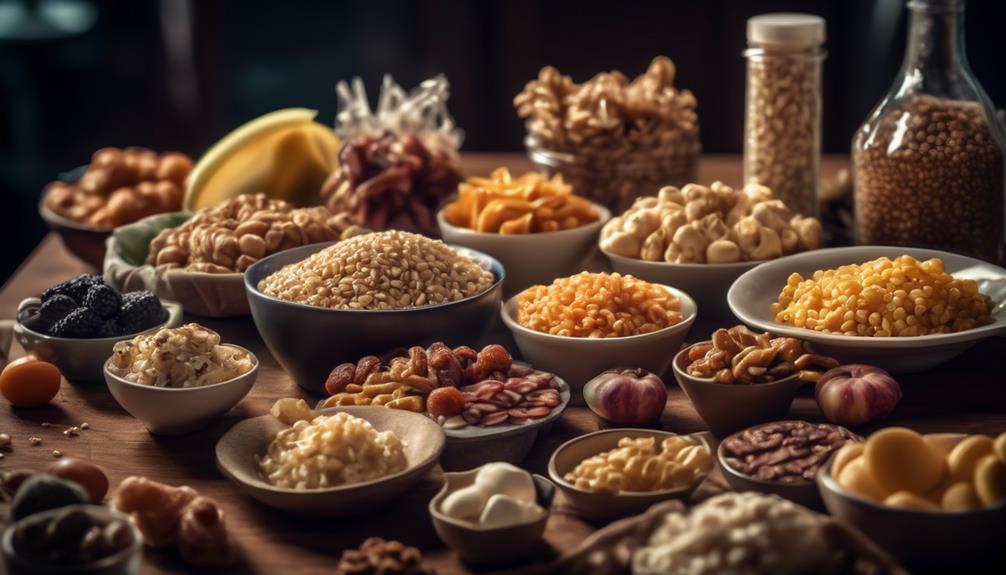
Weight Watchers is a flexible program where every food item receives a point value on its calorie, saturated fat, sugar, and protein content. Many fruits and non-starchy vegetables are zero points. This means you can add a variety of fiber-rich foods without using up your point budget. This program accommodates various dietary preferences, including vegetarian, gluten-free, and low-sodium options. You can maintain a heart-healthy diet by focusing on vegetables, fruits, whole grains, lean proteins, and unsaturated fats.
The point system and group support make daily choices much easier. Just watch out for low-point processed snacks. Keep an eye on getting enough protein, calcium, and fiber. If most points go to whole foods, you’ll get the nutrients you need.
TLC Diet (Therapeutic Lifestyle Changes)
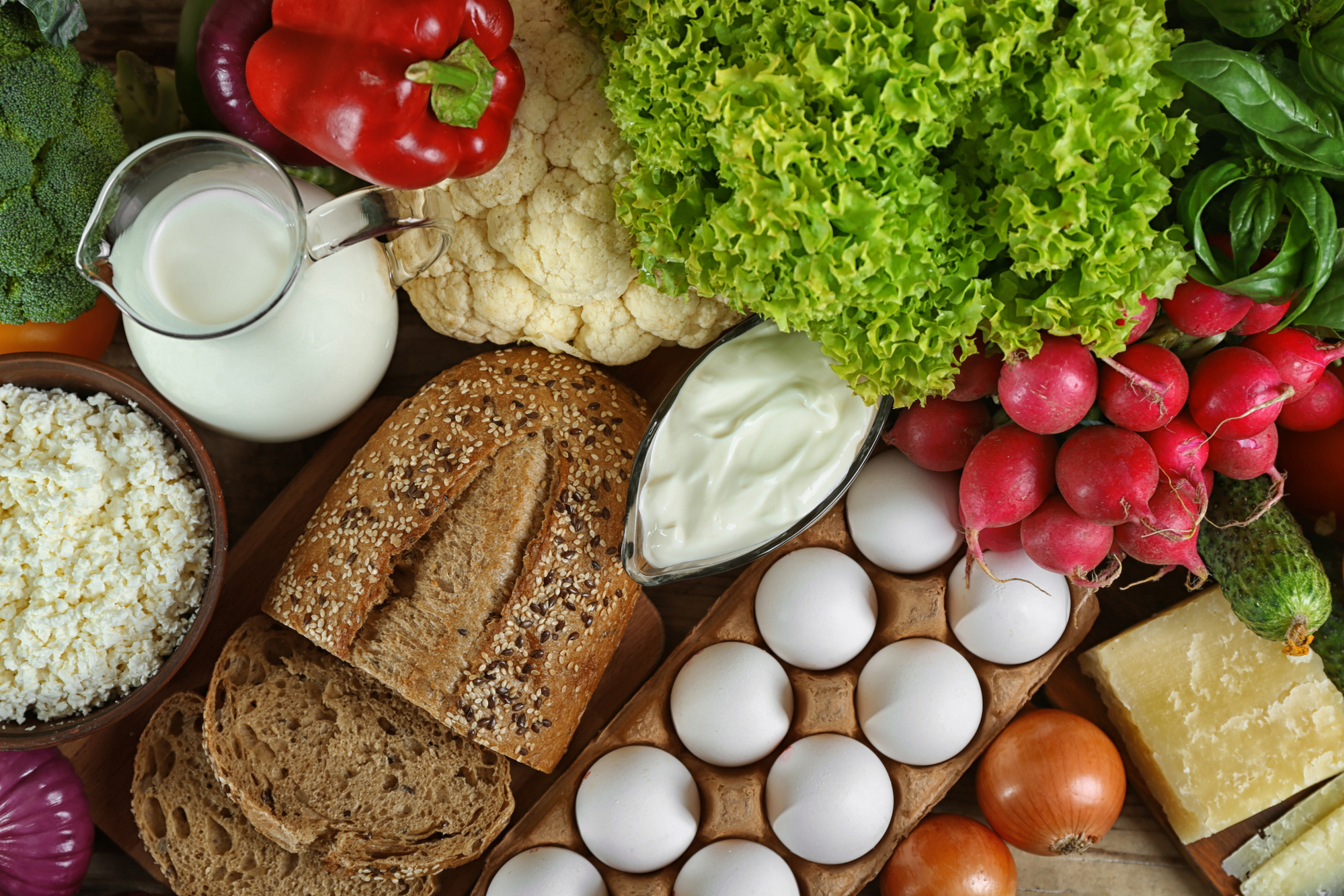
The TLC diet is a heart-healthy plan that focuses on lowering LDL cholesterol, commonly referred to as the “bad” cholesterol. Meals focus on fruits, vegetables, whole grains, legumes, and low-fat dairy, while reducing intake of saturated fat and cholesterol from food. Simple substitutions, like using olive oil instead of butter and opting for fish or beans over processed meats, can really help make the changes.
If your cholesterol levels are rising or heart disease runs in your family, this could be ideal for you. This diet works well for women who prefer simple swaps over strict rules. The TLC diet is built around foods high in soluble fiber, including oats, barley, beans, and apples. These foods naturally help lower cholesterol.
Mayo Clinic Diet

The Mayo Clinic Diet focuses on healthy eating for life through two phases. The first phase is “Lose It!”—a brief reset to initiate weight loss and establish simple habits, such as eating more vegetables, staying active daily, and monitoring portion sizes. The second phase, “Live It!,” transforms those habits into a flexible routine that you can maintain with real food, smart portions, and steady progress.
This diet is ideal for beginners who want steady weight loss and lasting habits without having to count every calorie or point. It’s a good fit if you like clear habit tips and plate-based guidance that works with family meals and busy schedules. The Mayo Clinic plan emphasizes vegetables and fruits, whole grains, lean proteins, legumes, and nuts, while reducing consumption of added sugars and refined grains.
Healthy Foods to Eat Every Day

Knowing which healthy foods to eat every day is where these diet plans really work. While each plan is slightly different, they all share common foods that protect your heart and give you energy.
On the DASH Diet, build most meals around fruits and vegetables. Aim for several servings each day. Add whole grains, like oats, brown rice, and whole-wheat pasta. Include low-fat dairy, lean proteins (fish, chicken, beans, lentils), nuts and seeds, and oils like olive oil. Limit sodium, sweets, and fatty meats. Bonus tip: Use herbs, citrus, and garlic for flavor instead of adding extra salt.
With Weight Watchers, let zero-point fruits and veggies fill at least half your plate. Choose lean proteins like fish, poultry, and tofu. Add whole grains, low-fat dairy, and beans or legumes, along with smaller amounts of healthy fats such as olive oil, nuts, and avocado.
For the TLC Diet, center meals on foods with soluble fiber like oats, barley, beans, and apples. Fill out your plate with oily fish, legumes, fruits, vegetables, whole grains, and low-fat dairy. Keep saturated fats low by choosing olive oil instead of butter and opting for salmon over processed meats.
Following the Mayo Clinic Diet, start with a big base of vegetables and fruit. Add whole grains, legumes, nuts, fish or lean poultry, and low-fat dairy while cutting back on added sugars and refined grains. Although this is a heart-healthy diet, you still need to include 20 to 40 grams of protein in every meal.
What Makes These Food Diets Work
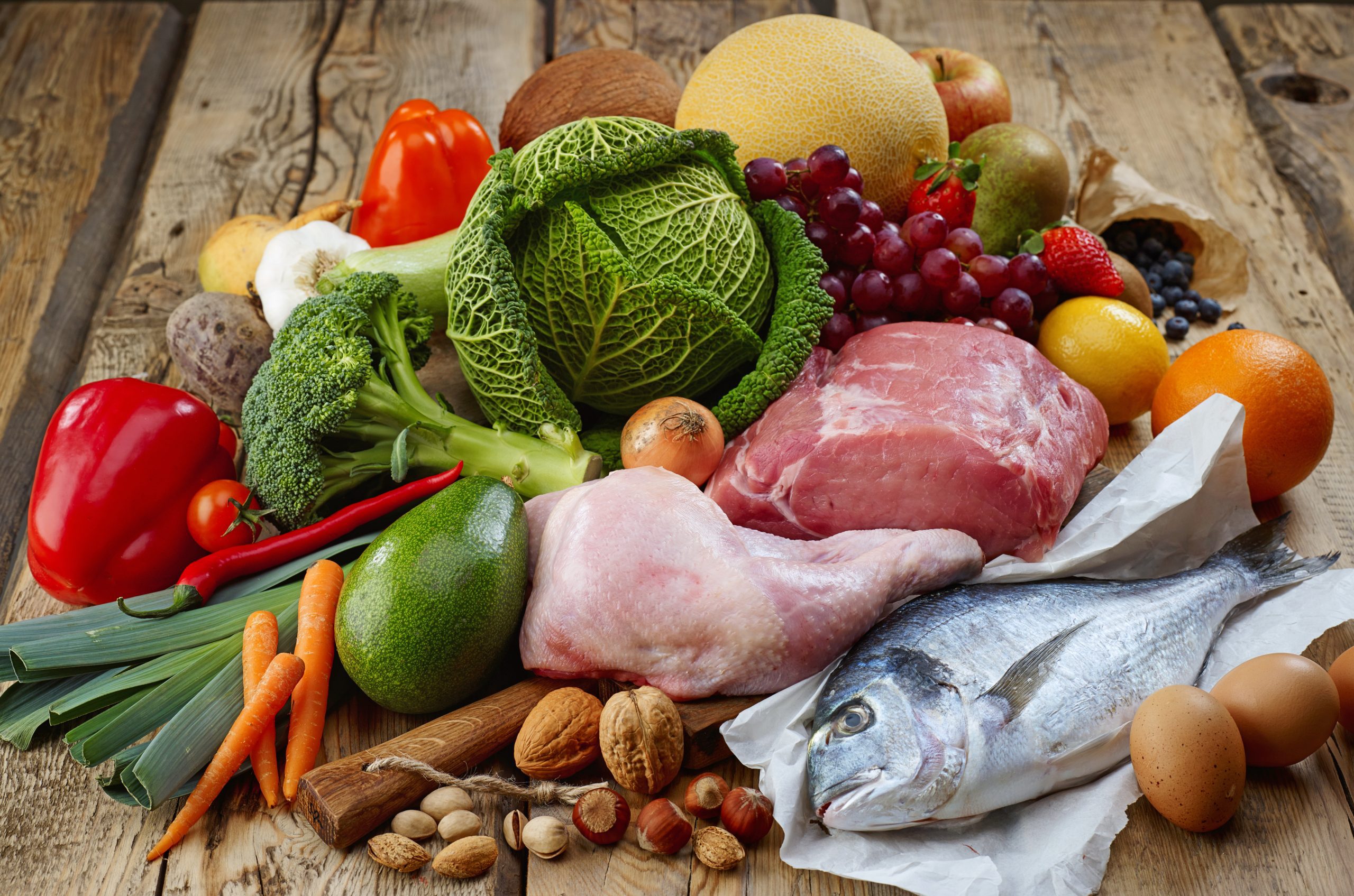
All four plans guide you toward whole, minimally processed foods with plenty of vegetables and fruit, whole grains, legumes, lean proteins, and healthy fats. They also ask you to limit sodium, added sugars, and saturated fats, as well as trans fats. The shared goal is simple: support your heart, maintain a healthy weight, and build long-term wellness.
These food diets also help lower your risk of heart disease, heart attack, Type 2 diabetes, and cardiovascular disease. The daily food choices you make can have a significant impact on your cholesterol levels, blood pressure, blood sugar levels, energy levels, and long-term heart health.
Eating patterns rich in plant-based foods, combined with some healthy animal-based foods, may contribute to overall healthy aging. The Mediterranean Diet, with its emphasis on fish, healthy fats from olive oil, fruits and vegetables, whole grains, legumes, and nuts, has been repeatedly shown to reduce the risk of cardiovascular disease.
What’s the Same and What’s Different

Let’s talk about what’s the same and what’s different for the whole category of heart-healthy food diets. All four guide you toward whole, minimally processed foods, plenty of vegetables and fruit, whole grains, legumes, lean proteins, and healthy fats. They also ask you to limit sodium, added sugars, and saturated or trans fats.
The primary difference is that the DASH diet emphasizes lowering blood pressure. The TLC diet is built to reduce LDL cholesterol. Weight Watchers centers on weight control, offering tracking and group support. And the Mayo Clinic plan focuses on long-term habit building.
DASH limits sodium, while TLC focuses on reducing saturated fat. Weight Watchers uses flexibility and community support. Mayo teaches you everyday habits you can keep going long after you first start the diet.
Together, these differences enable you to select a heart-healthy path that aligns with your goals, personality, and lifestyle. Whether that means tracking points, reducing salt, lowering cholesterol, or establishing new habits for the long run, there’s an option that works for you.
Understanding Other Diet Options
While these four heart-healthy food diets are excellent choices, you might hear about other eating patterns. The Mediterranean Diet emphasizes the utilization of olive oil, fish, vegetables, and whole grains, and has been related to a lesser incidence of heart disease. A plant-based diet and a pescatarian diet can help improve heart health when they include oily fish rich in vitamin D.
Some women ask about the Healthy Eating Plate or Eatwell Guide for meal planning. Others wonder about the paleo diet, Paleolithic diet, or Carnivore diet. These weren’t made with heart health research in mind. Intermittent fasting can be used with any heart-healthy food diets.
Be careful of fad diets like crash diets, detox diets, or the Montignac diet that promise quick results. A gluten-free diet is only needed if you have Celiac disease. If you’re confused, consider consulting a registered dietitian who can help you create a personalized heart-healthy eating plan.
Beyond Diet: The Role of Stress

These heart-smart patterns, like the DASH diet and Weight Watchers, give you simple ways to eat for healthier blood pressure, cholesterol, and steady energy. That’s a solid start. But there’s one thing that can quietly stop your progress: stress.
Fat buildup is one of the many ways stress creates symptoms and other health problems, especially during midlife. Getting rid of the bad symptoms stress creates makes going through midlife much easier.
Everyday movement, from regular exercise to small changes like taking the stairs, works in conjunction with food choices to protect your heart. It’s about forming steady, realistic habits that fit into your daily life, rather than adopting rigid or short-term fixes.
Your Path Forward
Remember that tired feeling where you’re doing everything “right”, but your body still feels off? Now you understand which food diets truly help your heart. You know which healthy foods to eat every day make the most significant difference. And you know why the best diet for a healthy heart is about feeding your body well, rather than restricting it. Heart health is about making steady choices that fuel the vibrant life you’re meant to live.
The moment you discover what truly nourishes your heart, the confusion disappears. Whether you choose the DASH diet, Weight Watchers, the TLC diet, or the Mayo Clinic Diet, you’re taking a decisive step toward protecting your heart and regaining your energy. Establishing a healthy eating pattern in midlife can help prevent brain issues in older age.
“If you came into my office, I’d ask you a lot of questions that would help us connect the dots … so that together we can deal with your toxic stress.
Every situation is unique and you need a plan that works for you. Not a one-size-fits-all solution.
If you’re thinking you can’t come into my office, don’t worry. I’ve created a program with all of my initial recommendations to help you unravel the mystery. You can use it at home and at your convenience.
So if you’re thinking that managing chronic stress just isn’t possible … or even the answer … for you, I want to show you what you may be missing.
And how you can identify the toxic stressors that are creating your symptoms with my Human Energy System Reboot. You can get started HERE.” – Dr. Gala