
You gave up the pasta. You swore off potatoes and bread, eyed every slice of toast with suspicion, and still the menopause belly fat sits there like it pays rent. Years of being told that carbs are the enemy, and your waistline never got the memo.
The carbohydrate on your plate was probably never the villain. The way it arrives, alone and unaccompanied, is what tips your body into storage mode. A plain bowl of noodles hits your system one way. The same noodles, dressed correctly, behave like a completely different meal.
Your body is answering signals exactly as it was built to, signals you can begin to change at your very next meal.
Ask Dr. Gala: Your Wellness Wisdom Starts Here
Can you still eat carbs like pasta and potatoes without adding to menopause belly fat?
Yes, and the fix is about company rather than restriction. A starch that arrives alone, with no protein, no fat and no fiber alongside it, tears through your digestion and floods your blood with glucose. In your thirties your cells shrugged that off. Now insulin works harder, the glucose lingers, and your body packs the excess away as visceral fat around your middle. That is where menopause belly fat actually starts, and the pasta was never the villain. Eat the fiber first, add a clean protein and a healthy fat, and the same bowl behaves like a different meal.
Why Menopause Belly Fat Starts With a Naked Carb
Think of a carbohydrate eaten completely on its own, with no protein, no fat, and no fiber riding alongside to slow it down. A plain bowl of pasta or a bare baked potato is a naked carb. Your digestive system tears through it fast, floods your bloodstream with glucose, and sends your blood sugar climbing in a hurry.
In your twenties and thirties, your body likely shrugged this off. The spike came, the glucose got burned, and life went on. Midlife rewrites that script.
How Insulin Resistance Turns a Spike Into Stored Fat
As your hormones change, your cells stop responding to insulin as eagerly as they once did. Glucose lingers in your bloodstream because it struggles to reach your cells for energy, and your body treats the backup as an emergency. Its fix is to pack the excess away fast, and your midsection is the first place it reaches. That’s the visceral fat you keep spotting in the mirror.
And there’s real encouragement tucked into all of this. Foods you may have banished, pasta included, have been badly misjudged. Eaten thoughtfully, a food like pasta doesn’t earn the weight-gain reputation it carries, and it tends to raise blood sugar more gently than several other starchy staples. What turns an ordinary carb into a problem is the way it lands on your plate alone, walking into a body whose chemistry has shifted.
How to Eat Carbs Without Feeding Fat Storage

None of this asks for a chemistry degree or a fridge full of sad, beige diet food. Knowing how to eat carbs in a way your midlife body can handle comes down to three small moves, repeated meal after meal until they run on autopilot. Each one slows the rush of sugar into your blood and turns a fat-storing plate into a steadying one.
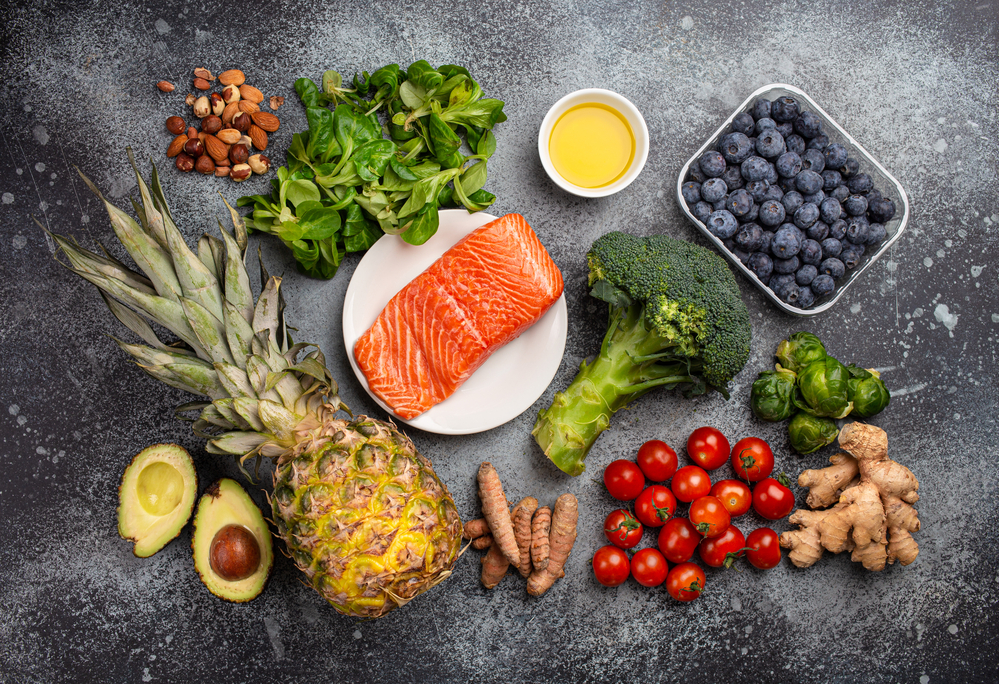
Add a healthy fat. Fat is a brake on the whole process. A generous pour of good extra virgin olive oil over your pasta, or a pat of grass-fed butter on a sweet potato, changes how your body handles the sugar that follows. The same starch, with fat alongside it, moves through you on a gentler curve.
Add a clean protein. Protein slows digestion the way fat does, and it signals to your brain that you’re genuinely full. Wild-caught salmon, grass-fed beef, or sprouted lentils and chickpeas for plant-based eaters all do the job. Most of us run short on protein without realizing it, so a smart move is to plate your protein first and let the pasta sit beside it as the supporting act rather than the headliner. Aiming for around thirty grams at every meal hands your body the raw material it has been missing. When you start looking at what’s on your plate and actually calculating how much protein you’re consuming, I think you’ll find, like I did, that you need to lean much heavier into the protein.
Eat your fiber first. This one carries the most weight, and it’s almost embarrassingly simple. Open the meal with a big leafy green salad before you touch the carbs. The fiber coats your digestive tract and slows how quickly the carbohydrates behind it get absorbed, which softens the spike before it ever builds.
Add the fat, lead with the protein, and open with the fiber, and that naked carb arrives fully dressed. Same food, a calmer response inside your body, and a plate that actually keeps you satisfied.
The Fierce 5 Foods That Create the Most Metabolic Chaos

Pairing is half the equation. Quality is the other half, and this is where plenty of well-meaning eaters get tripped up. A bowl of sprouted grain pasta with olive oil and salmon is a wholly different event inside your body than a plate of refined white pasta drowned in cream sauce, even though both wear the same carb label. Your system knows the difference even when the menu doesn’t.
Sensitivities muddy the water further. Many people react to wheat, gluten, or grains in general, and reaching for a gluten-free pasta doesn’t always solve it, since plenty are built on rice flour that spikes blood sugar just the same. If a certain carb doesn’t sit well with you, the three rules still hold. Simply point them at a favorite that loves you back.
Five everyday foods tend to stir up the most metabolic chaos for women in midlife: gluten, yeast, sugar, alcohol, and dairy. That last one catches people off guard, because the cheese or cream sauce blanketing a plate of pasta can be the real culprit long before the noodle ever was. None of this means banishing whole food groups for good. It means paying attention to how your own body answers what you feed it, and adjusting from there.
Why Zero-Carb Diets Backfire in Midlife

There’s a reflex worth catching before it catches you. The moment belly fat becomes the goal, the instinct is to slam the door on carbs entirely and white-knuckle through a zero-carb plan. It feels like discipline, and it usually backfires.
Cutting out every carbohydrate isn’t something your body reads as healthy restraint. It reads it as a threat. That kind of deprivation drips stress into your system like a slow leak, pushes out cortisol, and locks your nervous system into survival mode, the exact state that makes weight cling harder. It’s why so many crash diets end with the scale higher than where they started.
You can’t out-discipline a worn-out nervous system, and you were never meant to try. The steadier, more lasting route is to ease the root cause of insulin resistance by raising the quality of what you eat, rather than punishing yourself with less and less of it. Food stops being the enemy the moment you understand what it’s actually asking for.
At a real meal it looks like this. Salad or vegetables first, even a few bites. Protein next. The rice, the bread, the potato comes last, and it arrives with butter or olive oil rather than on its own. Same food, same plate, different order.
Give it a week before you judge it. Watch the two hours after lunch instead of the scale, because that stretch is where a naked carb usually shows up as a crash and a hunt for something sweet. That two-hour window will tell you more than the scale does.
You Become Your Own Primary Care Person at the Table
This is what becoming your own Primary Care Person looks like in practice, and it’s far less complicated than the wellness internet makes it sound. It calls for no advanced nutrition science and no color-coded spreadsheet, just three steady choices at every meal and a growing sense of which foods are working against you.
Menopause belly fat loosens its grip when you stop treating food as something to fear and start treating each plate as a quiet conversation with your body. Lead with the fiber, build in the protein, and welcome the fat. Keep the carbs you love, dressed the way your midlife body needs them. You get to enjoy the meal and feel better afterward, and that was the point all along.
“If you came into my office, I’d ask you a lot of questions that would help us connect the dots … so that together we can deal with your toxic stress.
Every situation is unique and you need a plan that works for you. Not a one-size-fits-all solution.
If you’re thinking you can’t come into my office, don’t worry. I’ve created a program with all of my initial recommendations to help you unravel the mystery. You can use it at home and at your convenience.
So if you’re thinking that managing chronic stress just isn’t possible … or even the answer … for you, I want to show you what you may be missing.
And how you can identify the toxic stressors that are creating your symptoms with my Human Energy System Reboot. You can get started HERE.” – Dr. Gala