
You have been eating well for weeks. The scale doesn’t move. A familiar thought creeps in: maybe the body just needs a prescription now.
That feeling makes sense after years of trying. But there’s something worth knowing first. The foods that boost GLP-1 naturally can restore the very hormone those medications copy. And unlike a weekly injection, eating for GLP-1 gets to the reason the metabolism slowed down in the first place.
Forget another round of cutting calories. The real lever is one hormone that fades with age, and the foods that bring it back.
Ask Dr. Gala: Your Wellness Wisdom Starts Here
Can food really restore GLP-1 the way medication does, without the side effects?
Yes, and the mechanism is less exotic than the marketing suggests. Your body already makes this hormone. What it needs is the raw material and the gut bacteria to do the job, which is where most midlife eating falls short. Fiber your gut can actually ferment, protein at breakfast, bitter greens, and enough space between meals for digestion to finish. The foods that boost GLP-1 naturally work on the terrain rather than around it. This is slower than a prescription, and it is doing a different job. It rebuilds the signal rather than replacing it.
What Are the Benefits of GLP-1 for Midlife Women?
GLP-1 stands for glucagon-like peptide-1. It’s a hormone that the gut makes after every meal. It tells the brain the body is full. It slows digestion so you stay satisfied longer, and it helps cells use insulin better. It also calms the low-grade inflammation that makes midlife weight so hard to shift.
The benefits of GLP-1 go beyond appetite. When levels are healthy, blood sugar stays steadier. Cardiovascular markers improve. The brain gets better protection from age-related decline. For women over 40 dealing with stubborn weight, blood sugar swings, and rising heart disease risk, restoring this hormone can help with several of those problems at once.
Here’s something most doctors don’t mention. GLP-1 is naturally short-lived. The body makes it after a meal and clears it in about two minutes. It’s how it’s meant to work in our system. GLP-1 is a short burst signal, not a hormone meant to stay on all day.
In midlife, this system rarely breaks down for good. What usually happens is that years of stress, gut imbalance, poor sleep, and processed food wear down the gut environment that makes GLP-1. That’s a depletion problem with food-based answers.
GLP-1 Natural Alternatives: Why the Conversation Starts in the Wrong Place
Most talk about Ozempic natural alternatives treat Ozempic as the standard. Everything else gets framed as the lesser option. That gets the biology backwards.
Semaglutide, the drug in Ozempic, is a synthetic hormone built to stay active for 168 hours. The body’s own version clears in two minutes. The drug suppresses appetite by overriding the body’s signals for an extended period. It doesn’t fix the gut imbalance, chronic stress, or inflammation that caused GLP-1 to drop in the first place.
A 2022 study in the journal Diabetes, Obesity and Metabolism followed people for a full year after they stopped semaglutide. Two-thirds of the weight they had lost came back within twelve months. This happened even in people who kept up their diet and exercise habits. Hunger hormones stayed high. Metabolic rate stayed low. The body’s fullness signals had not recovered. The drug treated a symptom. The cause stayed untouched.
Muscle loss is the side effect that rarely gets mentioned. When appetite drops sharply, protein intake drops with it. The body starts burning muscle. Less muscle means a slower metabolism. A slower metabolism makes weight regain almost certain once the drug stops. Add in the risks of gallbladder problems, kidney stress, pancreatitis, and blunted mood, and the full story looks very different from the before-and-after posts online.
The most meaningful GLP-1 natural alternatives don’t copy what the drug does. They fix what the drug skips: the gut, the inflammation, and the stress patterns that wore down GLP-1 production in the first place.
Foods That Boost GLP-1 Naturally
The cells that make GLP-1 are called L-cells. They sit in the small intestine and colon. They need two things to produce GLP-1: certain nutrients passing through the gut, and the chemical signals that good gut bacteria make during fermentation. Feed both of those consistently, and GLP-1 output goes up over time.
The foods that boost GLP-1 naturally aren’t supplements or expensive products. They’re whole foods that most kitchens already have.
High-Fiber Vegetables and Resistant Starch
Broccoli, Brussels sprouts, artichokes, asparagus, carrots, spinach, kale, and Swiss chard all contain soluble fiber. Gut bacteria ferment this fiber into butyrate and propionate. These are short-chain fatty acids that directly switch on L-cells. More fiber reaching the colon means more GLP-1 production.
Resistant starch adds another benefit. Cook potatoes or sweet potatoes fully, then cool them overnight in the fridge. When the starch cools, its structure changes. It resists digestion in the small intestine and reaches the colon intact. This feeds fermentation better, stretches GLP-1 release across the day, and is easier on blood sugar than the same food eaten hot.
Beta-Glucan Grains and Legumes
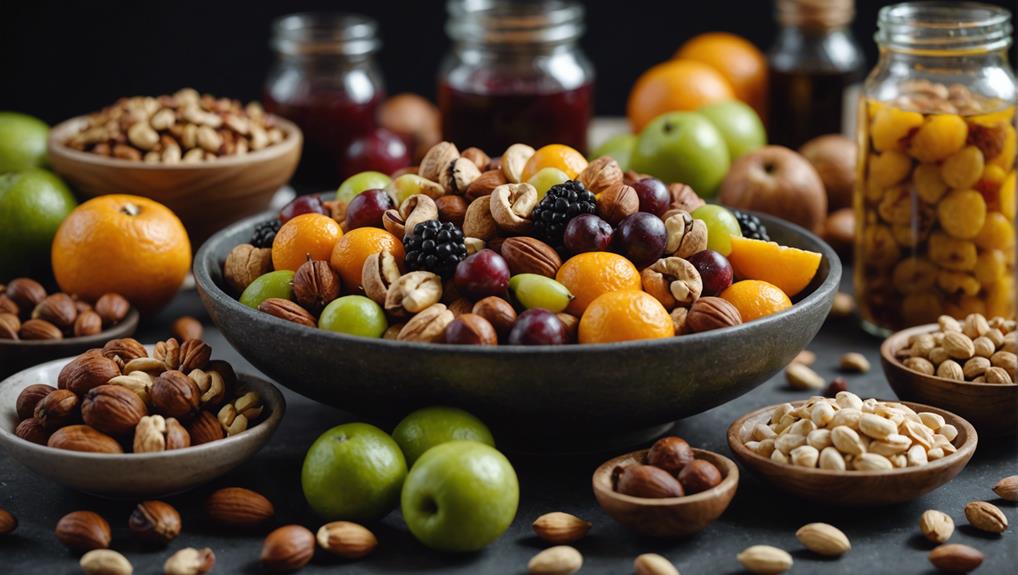
Oats, barley, quinoa, and brown rice contain beta-glucan fiber. Research links this fiber to more GLP-1-producing cells and higher GLP-1 levels in the blood. Beans, lentils, split peas, and edamame bring resistant starch and fermentable fiber.
They also feed a gut bacterium called Akkermansia muciniphila. When this species is well-fed, GLP-1 output can rise by a very large amount. Western diets and chronic stress are two of the main things that deplete Akkermansia. This helps explain why GLP-1 tends to drop in midlife.
Fermented Foods
Kimchi, sauerkraut, kefir, and tempeh carry live beneficial bacteria. They restore the range of gut bacteria that stress and processed food wear away. More variety in the gut microbiome means more species that support GLP-1 output.
Fermented foods work best alongside prebiotic fiber-rich foods. The bacteria need something to ferment. These two food groups work together.
Polyphenols and Bitter Compounds

Blueberries, raspberries, green tea, apples, pears, citrus, and grape seed extract contain polyphenols. These switch on calcium channels in L-cells through a completely different pathway than fiber does. Bitter greens like arugula and radicchio activate taste receptors in the gut that also trigger GLP-1 release. Eating a wide range of plants produces a stronger effect than leaning on any single food, because these pathways are distinct and additive.
Protein Sequencing and Leucine-Rich Sources
Eggs, fish, poultry, and olive oil activate GLP-1 through protein and fat-sensing receptors in the small intestine. Eating protein and vegetables before carbohydrates at the same meal boosts this response further. Eggs, Greek yogurt, and fish are especially rich in leucine. This amino acid tells muscles to hold their mass.
Muscle is where the body processes glucose and where resting metabolic rate is set. Keeping muscle during weight loss is the difference between results that last and results that reverse. Omega-3 fats from salmon, sardines, and walnuts, plus the healthy fats in avocados, almonds, and pistachios, reduce the inflammation that makes GLP-1 receptors less sensitive.
Putting It Together: Patterns That Sustain the Effect
Single foods help. Consistent daily patterns are what sustain results. Eating vegetables before carbs at each meal, adding fiber, resistant starch, and polyphenols across the day, and pairing fermented foods with prebiotic sources creates a steady GLP-1 effect over time.
Foods like oats, lentils, berries, and psyllium husk create physical fullness through volume and fiber bulk. This satisfies hunger in a way the body doesn’t fight back against. Addressing multiple GLP-1 pathways at once also protects against the muscle loss and metabolic slowdown that leads to two-thirds weight regain in people who stop GLP-1 medication.
Give it time, too. The GLP-1 response builds through repetition, not through one well-built plate, so judge this approach after a few consistent weeks rather than a few consistent days. The foods do their work quietly, and the shift in appetite tends to show up before the shift on the scale does.
When the Body Gets What It Actually Needs
Metabolic resistance in midlife isn’t the body failing. It’s the body reacting to conditions that disrupted its systems. Chronic stress erodes the gut lining. Low-fiber eating removes the fuel for fermentation. Inflammation makes GLP-1 receptors less responsive.
None of those things is fixed by suppressing appetite with a synthetic hormone once a week. They’re fixed by rebuilding the gut environment, lowering the inflammatory load, and giving the body the nutrients it stopped getting.
Weight that comes off this way tends to stay off. You restored the systems behind healthy weight instead of forcing a deficit your body would spend months trying to undo. That is the quiet advantage of foods that boost GLP-1 naturally. They work with machinery you already have.
“If you came into my office, I’d ask you a lot of questions that would help us connect the dots … so that together we can deal with your toxic stress.
Every situation is unique and you need a plan that works for you. Not a one-size-fits-all solution.
If you’re thinking you can’t come into my office, don’t worry. I’ve created a program with all of my initial recommendations to help you unravel the mystery. You can use it at home and at your convenience.
So if you’re thinking that managing chronic stress just isn’t possible … or even the answer … for you, I want to show you what you may be missing.
And how you can identify the toxic stressors that are creating your symptoms with my Human Energy System Reboot. You can get started HERE.” – Dr. Gala