
Step on the scale, eat the salad, skip the dessert. Do everything “right,” and still gain weight. That is midlife for many women. What if the problem isn’t the food diets you follow, but how your body now handles food?
You may have remained loyal to the same diet that worked for you in your 30s. You choose what you believe are healthy foods to eat everyday. But slowly, your body stopped responding. It feels like the rules changed, and no one told you.
For many midlife women, hormones, metabolism, and insulin levels are shifting. Your body may metabolize blood sugar differently. Traditional advice suggests, “Eat less, move more,” but this approach often falls short. There is little talk about estrogen, heart disease risk, or why carbs seem to “stick” more in midlife.
Once you understand low-carb diet benefits and how they differ from other eating patterns, everything clicks into place. So let me walk you through four different approaches. I’ll help you figure out which one fits your body and lifestyle.
Ask Dr. Gala: Your Wellness Wisdom Starts Here
Is a low-carb diet good for midlife women dealing with blood sugar and weight changes?
Yes, cutting back on refined carbohydrates genuinely helps at this stage, which is exactly why so many food diets that worked fine in your thirties simply stop working once estrogen starts dropping. Carbs you used to burn for energy start getting stored as fat instead, and lower insulin is what actually steadies that shift, not just fewer calories. There are four real approaches here, keto, paleo, South Beach, and carnivore, and they are not interchangeable, each trading off restriction, sustainability, and how fast it moves the needle. The right one steadies energy and appetite without wrecking your fiber or your heart-healthy fats.
Why Low-Carb Works When Other Food Diets Fail
Your body is responding to hormone shifts that make you more sensitive to carbs. As estrogen drops, your body becomes less able to process carbs the way it used to. The carbs you used to burn for energy now get stored as fat, especially around your middle.
Low-carb food diets work differently from typical diets. They target blood sugar and insulin, not just calories. By cutting carbs, you lower insulin spikes. Lower insulin means your body can finally use stored fat for energy instead of constantly storing more. This approach can reduce your risk of type 2 diabetes, heart illness, and other serious diseases that become more common after 40.
“Low-carb” isn’t just one diet. There are four different approaches, and they work very differently. Let me break them down so you can see which one matches what your body needs right now.
The Four Low-Carb Diets
Keto Diet
Keto drastically cuts carbs (20-50g daily) and increases fat intake, shifting you into ketosis, where fat becomes your primary fuel source. It’s powerful for quick weight loss, has brain benefits, and some research suggests it might help prevent Alzheimer’s. Best for women with severe blood sugar issues or limited progress, but it remains the most restrictive choice.
Keto relies heavily on saturated fats from animal products, raising concerns about heart disease risk. You’ll need to balance your intake of unsaturated fats. You’ll also need supplements for fiber, magnesium, and vitamin D because you’re cutting out whole grains and many plant-based foods. This diet requires careful planning and is hard to sustain long-term. If you’ve kidney disease or uncontrolled diabetes, you’ll need medical supervision.
Paleo Diet
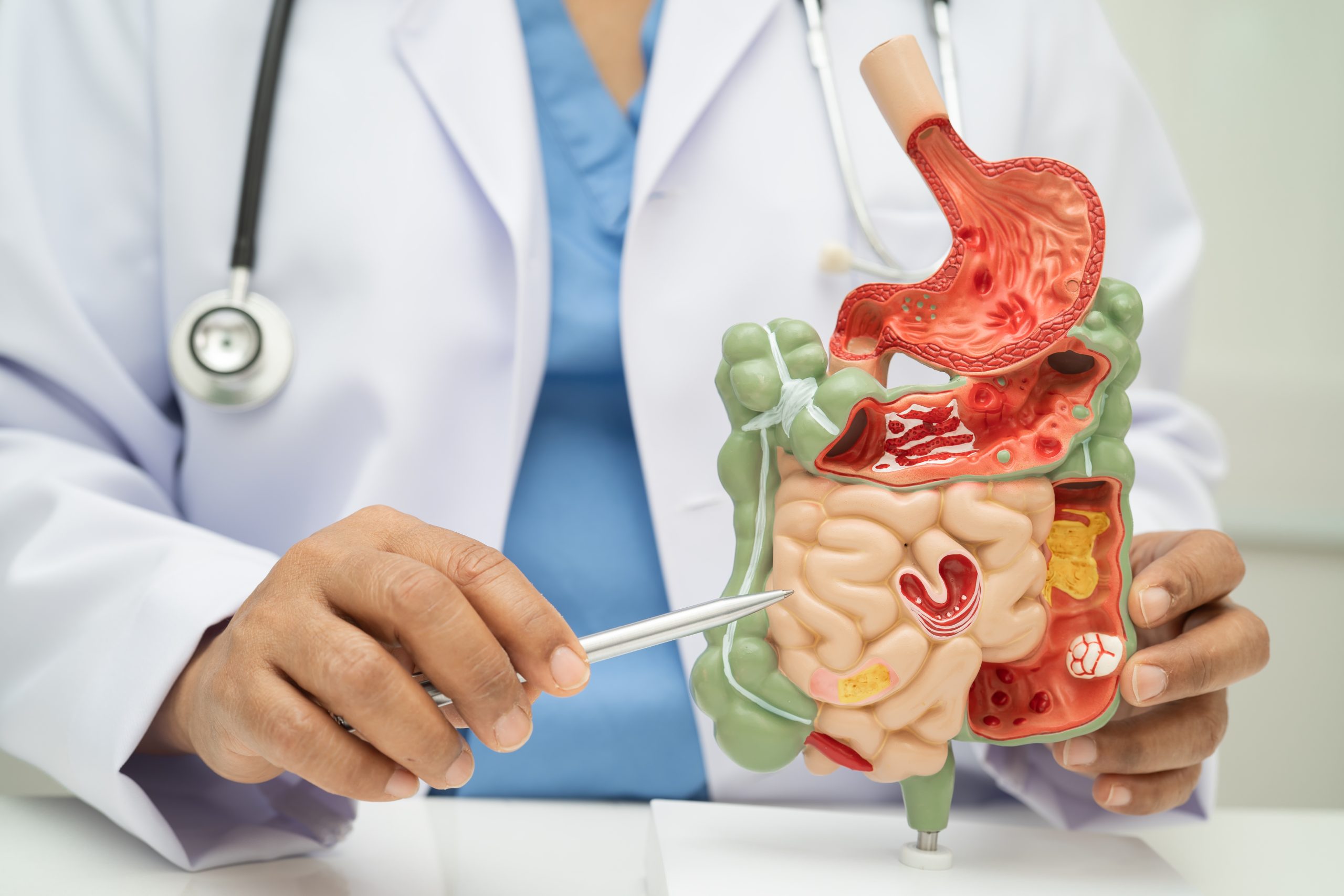
The paleo diet copies what early humans might have eaten. This approach works for women who want to cut out processed foods with added sugars and prefer eating without constantly reading food labels. It’s invaluable if you’re dealing with inflammation or digestive system issues.
Paleo is packed with nutrients, especially lean protein and produce. You might get low on calcium without dairy, but you can get it from dark leafy greens like kale and collard greens. The diet is easier to follow than keto since fruit is allowed, giving you more variety. The challenge is that cutting out whole grains and legumes can feel limiting in social situations.
South Beach Diet
South Beach follows a phased system that starts with lean protein and vegetables, then gradually reintroduces healthy fats and carbs from different food groups. The goal is stable blood sugar, better blood pressure, and sustained weight loss. This works well for women who like structure and clear guidelines. It’s less extreme than keto but more structured than typical balanced diets.
Early phases eliminate refined carbohydrates and added sugars completely, while later phases reintroduce whole grains and starchy carbohydrates in controlled amounts. This process helps you figure out which carbs your body handles well and which trigger cravings or blood sugar spikes. You’ll need to track food groups at each phase, but the clear roadmap feels supportive rather than restrictive.
Carnivore Diet
Carnivore focuses only on animal products, with zero plant-based foods. It’s extreme and only appropriate for short-term elimination when dealing with severe food allergies, autoimmune flares, or inflammatory bowel conditions. Some women find temporary relief because there are minimal triggering foods.
You’ll miss out on fiber, vitamin C, and plant nutrients. The high saturated fat raises real concerns about cardiovascular disease risk, and anyone with blood pressure issues needs careful monitoring. Most women struggle with the lack of variety, and ironically, many develop digestive problems from the absence of fiber. Use carnivore strategically to calm acute inflammation, then transition back to a varied whole-foods diet. This is a plan, not a lifestyle.
Healthy Foods to Eat Every Day on Low-Carb Food Diets
Each approach focuses on different main foods based on what your body needs. Understanding the benefits of a low-carb diet starts with knowing which healthy foods to eat every day. Here’s your quick guide:
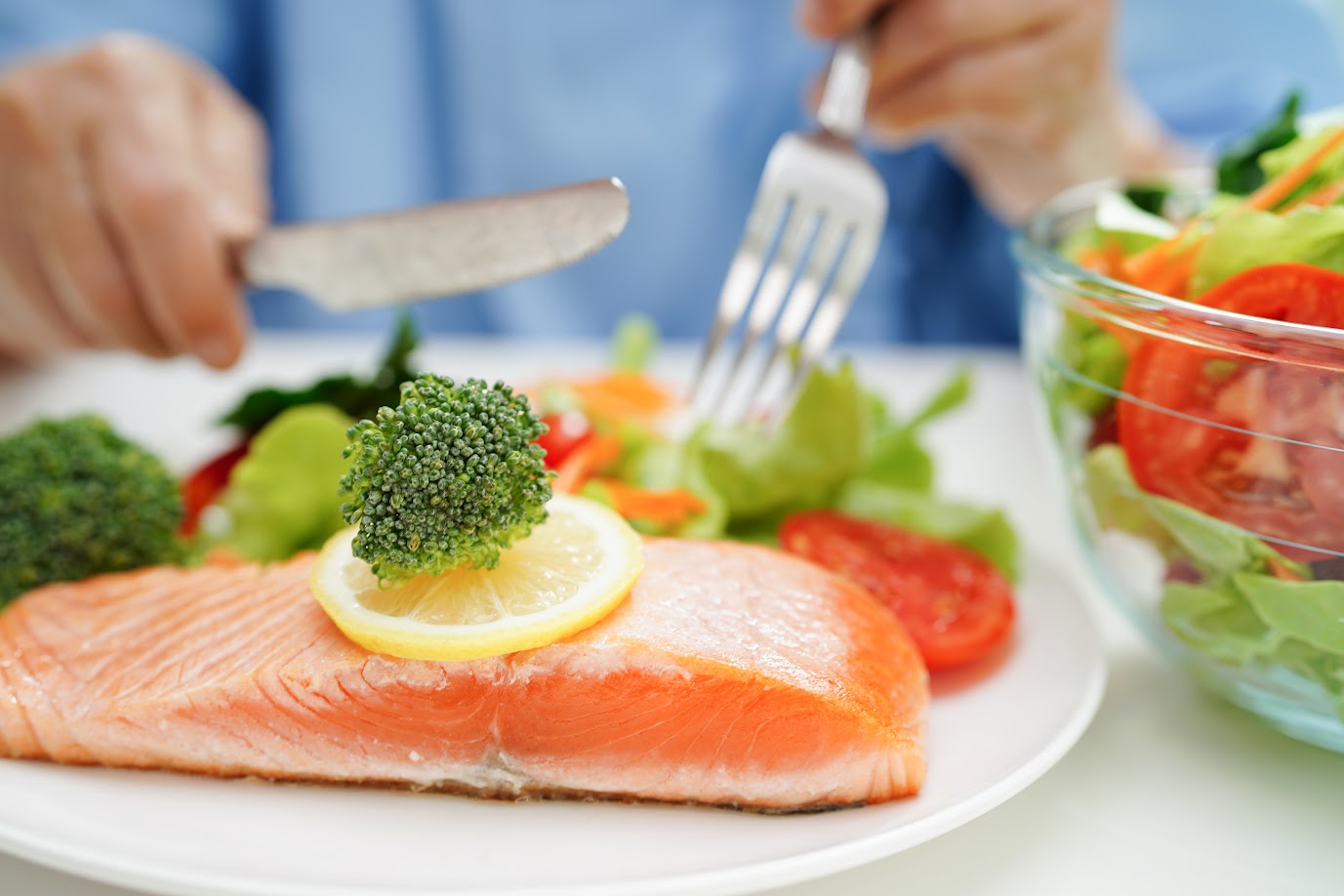
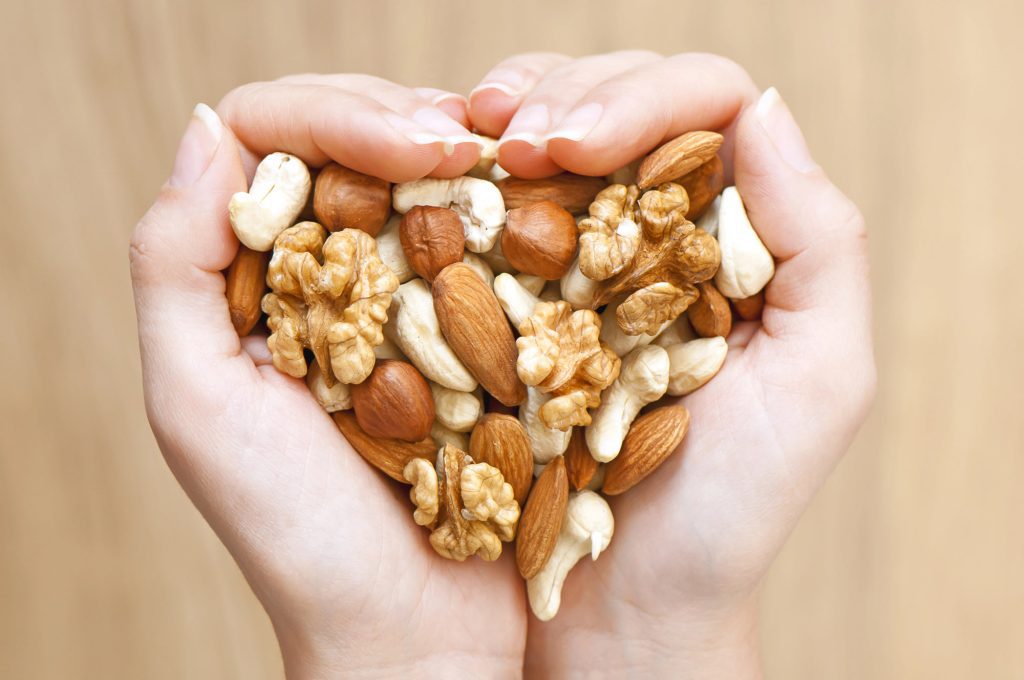
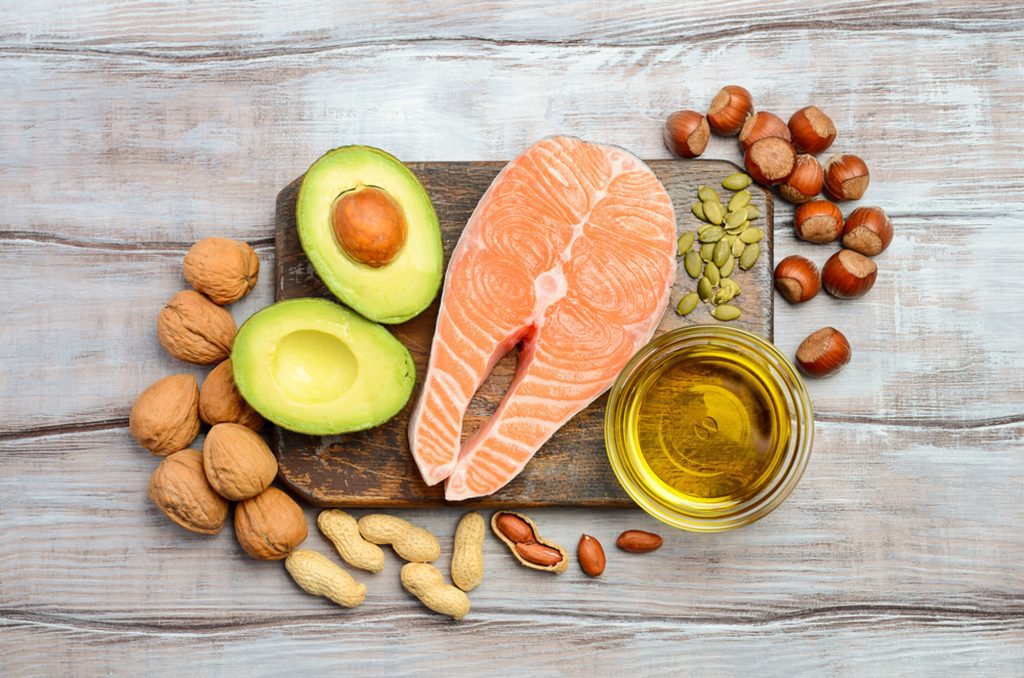
Keto: Oily fish (salmon, mackerel), eggs, cheese, nuts, seeds, leafy greens, avocado, oils and spreads (olive oil, coconut oil, butter)
Paleo: Lean meats, seafood, fruit and vegetables (fresh or frozen), nuts, seeds, natural unsaturated fats. Skip dried fruit because of concentrated sugars.
South Beach: Lean protein (chicken, fish, turkey), non-starchy vegetables. Later phases add brown rice, beans, fresh fruit, and healthy fats. Check food labels to avoid added sugars.
Carnivore: Beef, poultry, fish, eggs, limited dairy. All animal products, no plant-based foods.
There’s a reason behind every food on these lists. They’re chosen to keep blood sugar steady and control insulin spikes. Those are the most significant factors behind midlife weight gain and energy crashes. When you focus on these healthy foods to eat everyday, you’re giving your body what it actually needs.
Understanding Low-Carb Diet Benefits
Low-carb diets flip the usual food balance. They dramatically cut starchy carbohydrates and focus on protein and fat instead. The benefits of a low-carb diet are compelling for midlife women because they directly address insulin resistance and hormonal changes.
Vegetarian diets and vegan diets rely heavily on plant-based foods. This includes whole grains, legumes, and starchy vegetables, the very foods low-carb diets cut out or limit. The diet is recommended for preventing cardiovascular disease (heart and blood vessel problems). It includes more food groups. It emphasizes whole grains, lean protein, and vegetables. It’s less restrictive but may not fix insulin problems as directly.
Some women find success mixing principles. Like a lower-carb vegetarian approach. Or adding more plant-based foods to the paleo diet. A gluten-free diet can overlap with low-carb if you’re avoiding wheat-based refined carbohydrates. But they’re not the same thing.
The main benefits of a low-carb diet include better blood sugar control, reduced insulin spikes, faster weight loss, and more stable energy throughout the day.
The Bottom Line
If you’re dealing with stubborn midlife weight gain, constant cravings, energy crashes, or blood sugar issues, one of these four approaches likely holds your answer. Unlike fad diets that promise quick fixes, these are proven eating patterns backed by research.
Remember that scale I mentioned, the one that kept climbing no matter what you did? That’s what fighting your metabolism feels like. You know you’re trying, but your body won’t cooperate.
Now you understand why low-carb works for midlife women. You know which approach fits your lifestyle. And you know the healthy foods to eat everyday that actually support your changing body. The question isn’t whether you can lose weight after 40. The question is whether you’re willing to work with your body instead of against it.
Because midlife is a reset. You need the right fuel to power what comes next.
“If you came into my office, I’d ask you a lot of questions that would help us connect the dots … so that together we can deal with your toxic stress.
Every situation is unique and you need a plan that works for you. Not a one-size-fits-all solution.
If you’re thinking you can’t come into my office, don’t worry. I’ve created a program with all of my initial recommendations to help you unravel the mystery. You can use it at home and at your convenience.
So if you’re thinking that managing chronic stress just isn’t possible … or even the answer … for you, I want to show you what you may be missing.
And how you can identify the toxic stressors that are creating your symptoms with my Human Energy System Reboot. You can get started HERE.” – Dr. Gala