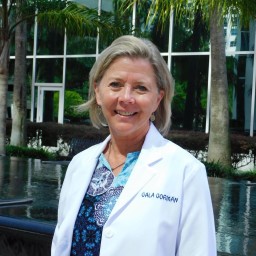
I want to be honest with you about something.
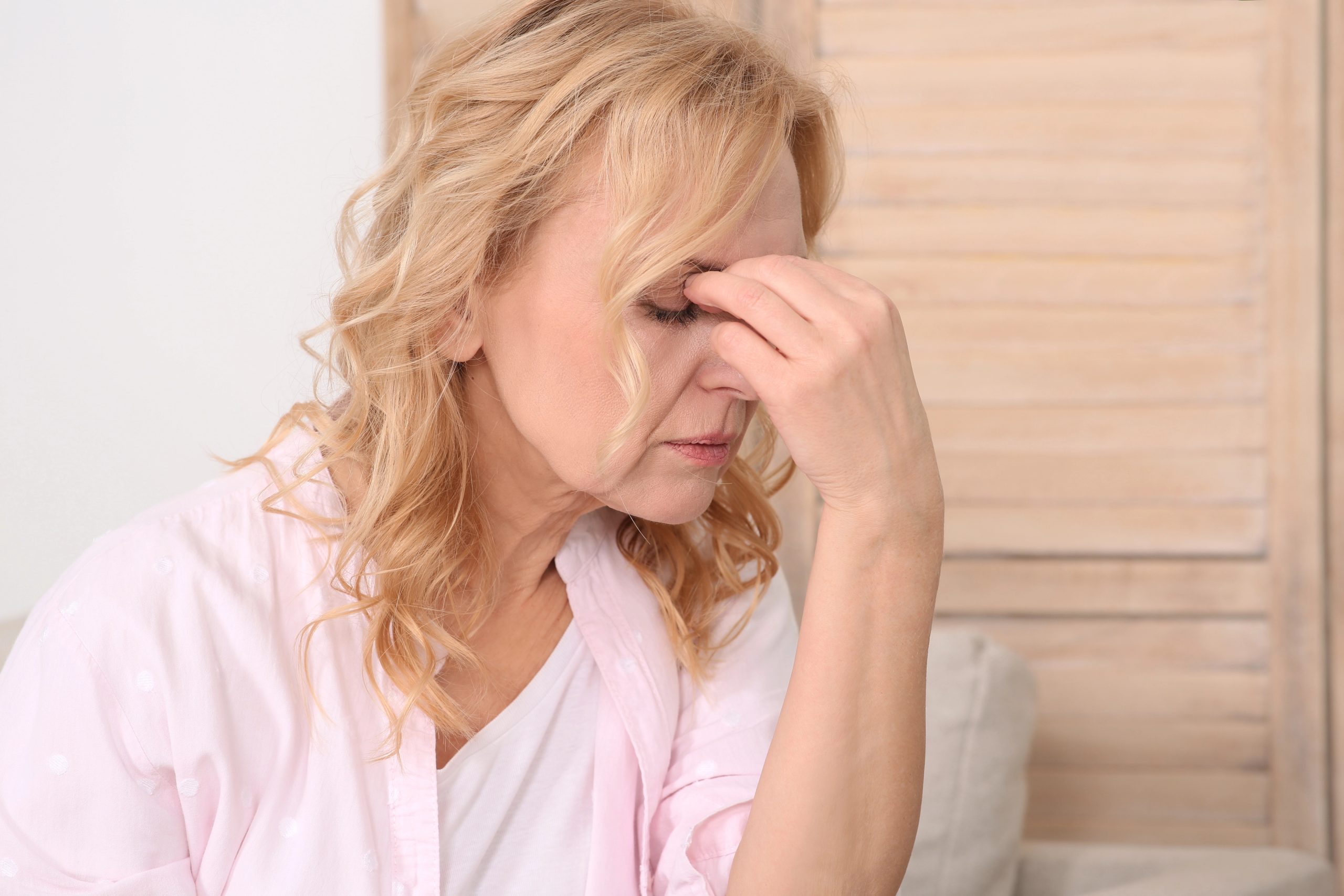
This week, I’ve been borderline anxiety attack stressed.
Like … heart pounding, sleep disrupted, barely functioning stressed.
And I have ALL the tools. I teach this stuff! I’ve written about it. I coach women through it every single day.
But here I am … moving.
And moving is ranked as one of THE most stressful life events we can experience.
In fact, recent studies confirm that 64% of people rated their most recent move as the most stressful thing they’d ever experienced , ranking it higher than divorce, having children, or starting a new job.
So, if you’ve ever felt like you “should” be handling something better … or wondered why you’re falling apart when you know what to do … let me stop you right there.
Sometimes life is just overwhelming.
Even when you know better.
Especially in midlife.
Your Body Doesn’t Care That You’re “Prepared”
Here’s what I want you to understand.
Major life stressors like moving, job changes, health crises, or caregiving don’t ask permission to overwhelm your nervous system.
They just do.
Your body perceives these events as threats. Not because you’re weak. But because your nervous system is doing exactly what it’s designed to do … protect you.
The problem? When you’re already managing the stress load of midlife … hormonal shifts, aging parents, grown kids, career pressures … there’s not much bandwidth left.
And then something BIG happens.
Moving. Loss. Transition.
And suddenly, all those tools you’ve been using? They feel just out of reach.
Your nervous system floods. Your body goes into survival mode.
And you think, “What’s wrong with me? I know better than this!”
But that’s not the question you should be asking.
The Real Question Is: What Do I Need Right Now?
Here’s what I’m learning (again) this week.
It’s not about having enough tools.
It’s about using them … even when everything in you wants to push through.
Even when you feel like you don’t have time.
Even when it feels like giving in.
Because here’s the truth: The faster you acknowledge the stress and respond to it with compassion, the faster you can move through it.
Ignoring it? Suppressing it? Telling yourself you “should” be fine?
That only makes it worse. And longer.
Research now shows that nervous system regulation is moving from niche wellness language into the center of women’s health conversations . Because chronic stress doesn’t just live in your mental checklist. It impacts how you feel and how you function.
As one physician recently explained: “You can’t out-discipline or out-supplement a dysregulated nervous system. If the body perceives constant threat, even healthy habits can backfire.” 
So instead of asking, “Why can’t I handle this?” …
Ask: “What does my nervous system need to feel safe right now?”
What Recovery Actually Looks Like
For me this week, it’s looked like:
∙ Letting myself cry. Not fighting it.
∙ Moving slower. Way slower than I wanted to.
∙ Asking for help … even when it felt inconvenient.
∙ Breathing. Intentionally. Multiple times a day.
∙ Reminding myself: This is temporary.
And that last one? That’s been the most important.
Because stress isn’t permanent. Even when it feels like it is.
The overwhelm will pass. The transition will complete. The nervous system will regulate again.
But only if we give it what it needs. Space. Time. Permission to be human.
You’re Not Broken. You’re In Transition.
If you’re in the middle of something hard right now … a move, a loss, a life change that’s bigger than you expected … I want you to know this.
You’re not failing.
You’re not broken.
You’re human.
And your body is doing exactly what it’s supposed to do … trying to keep you safe.
The question is: Are you going to work with it … or against it?
Inside the StressLess Sanctuary, we don’t just talk about nervous system regulation. We practice it. We build it. We normalize the messy, human parts of healing.
Because the tools don’t work if you shame yourself for needing them.
They work when you use them with kindness. With patience. With the understanding that stress is part of life … but it doesn’t have to take over your life.